
Lieferung heute & morgen

Qualitätsgarantie

Willkommens-Angebote freischalten: KOSTENLOSE Lieferung | Bis zu 80 % RABATT | Kostenlose 30-Tage-JoyPlus-Testphase
App herunterladen
If you want to buy iced tea and fruit tea online, you will quickly find a wide selection of drinks, instant mixes and tea bags. However, products can differ considerably in terms of sugar content, preparation, pack size and storage. A striking flavour description alone therefore says little about whether a tea drink will suit your everyday routine.
With ready-to-drink iced tea and concentrated fruit tea, it is worth checking the nutrition table. For example, a peach iced tea may contain 8.8 g of sugar per 100 ml, while a sugar-free lemon tea may be listed as containing 0 g of sugar and 0 kcal per 100 ml. With a multi-litre multipack, the difference quickly adds up.
Sugar content is also often high in Korean fruit tea and fruit-spread-style tea concentrates. Nokchawon Plum Tea, for example, contains 45 g of sugar per 100 g, while TBest Zitrus Yuzu Tea contains 60 g. These products are concentrates and are diluted with water. The important factor is therefore the quantity used per cup.
Instant tea is mixed with water, whereas ready-to-drink iced tea can be served straight from the bottle, can or carton. A concentrate such as yuzu tea or Korean plum tea, on the other hand, requires measured dosing and usually needs to be refrigerated after opening.
If you are looking for a drink to take with you, small ready-to-drink packs such as 250-ml bottles or 230-ml pouches are the simplest option. For families, offices or regular enjoyment, a multipack of tea in 2-litre cartons or a 500-g or 1-kg jar may be more practical.
Depending on the packaging, unopened products are generally stored in a cool, dry place away from direct sunlight. Different requirements apply after opening, however: ready-to-drink beverages should be refrigerated and consumed within a few days. Concentrates such as yuzu or lemon tea also often need to be refrigerated and used within the period stated on the packaging.
As a general rule, compare figures per 100 ml for drinks and per 100 g for powders or concentrates. Sugar-free products may contain sweeteners such as aspartame, acesulfame K, sucralose or steviol glycosides. VITA 0 Sugar Lemon Tea indicates that it contains aspartame and a source of phenylalanine. Anyone with a relevant intolerance should pay particular attention to the labelling.
“No added sugar” does not mean the same as “sugar-free”. For a reliable assessment, check the specific ingredients list and nutrition information on the product.
If you want to enjoy tea hot or cold, you can choose from several options:
Boiling water should be used for fruit tea. Depending on the product, brewing times of at least five to ten minutes may be specified. Always follow the preparation instructions on the packaging.
Small 6-packs containing 250 ml fit easily in the fridge and can be consumed one portion at a time. A multipack of 6 × 2 litres reduces the need for frequent repurchasing, but requires sufficient storage space. Concentrates work differently: a 500-g or 1-kg jar makes several drinks, although the actual yield depends on the dosage.
If you consume the product regularly, also check whether refrigeration is required after opening and how quickly the contents can be used.
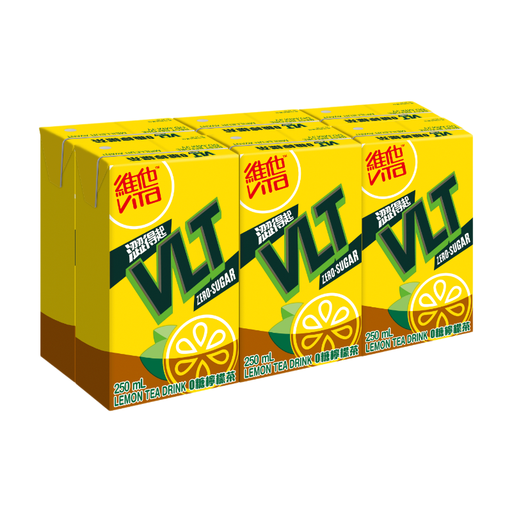
Why this product suits this profile: Six individual 250-ml cartons are designed for enjoying one portion at a time at home, in the office or on the go. The recipe is listed as containing 0 kcal and 0 g of sugar per 100 ml.
The nutrition information makes it easy to distinguish between a sugar-free drink and classic sweetened iced tea. Sweeteners and the source of phenylalanine should be checked before buying.
Ready-to-drink lemon tea; 6 × 250 ml; according to the product information, 0 g of sugar per 100 ml.
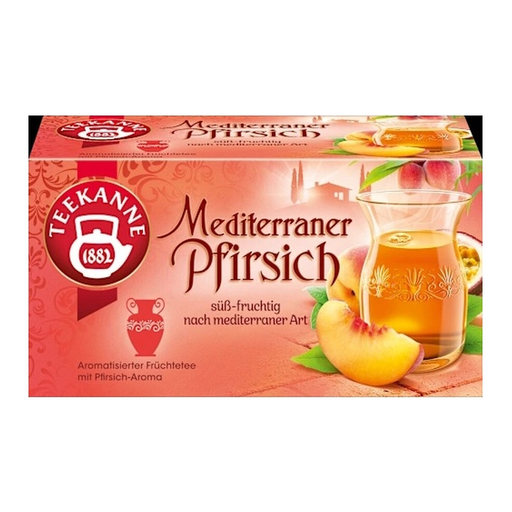
Why this product suits this profile: The 20 individually portioned tea bags allow for controlled preparation. The tea can be brewed hot and then served as chilled fruit tea.
The preparation instructions specify boiling water and a brewing time of five to eight minutes. This means the product is not judged solely by a fruit flavour shown on the packaging.
20 tea bags à 2.5 g; 2 kcal per 100 ml according to the product information; suitable for hot and cold preparation.
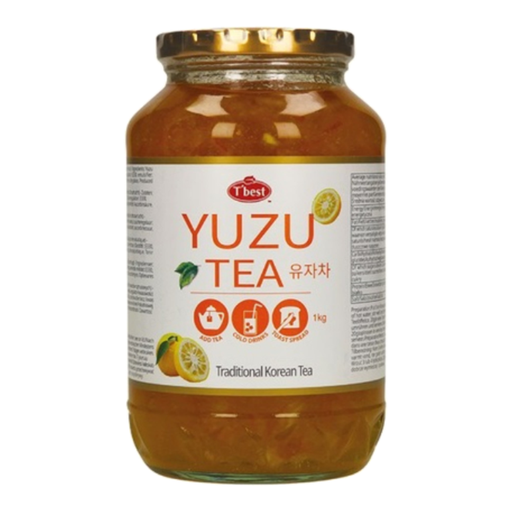
Why this product suits this profile: The 1-kg jar is designed for regular enjoyment and several preparation methods. The Korean concentrate can be mixed with hot or cold water and also used with yoghurt or in desserts.
Using two to three teaspoons per cup prevents a concentrate from being treated like a ready-to-drink beverage. The sugar content of 60 g per 100 g should be taken into account when deciding whether to buy.
1 kg contents; according to the product information, made with yuzu, sugar and honey; suitable for hot and cold drinks.
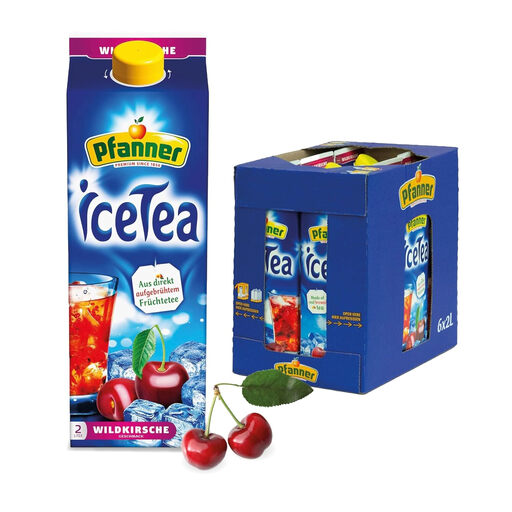
Why this product suits this profile: Twelve litres of ready-to-drink beverage are suitable for households with regular consumption, parties or stocking up. The 2-litre Tetra Paks can be stacked at home and poured out a portion at a time.
The total quantity is clear before purchase. With 26 kcal and 6.3 g of sugar per 100 ml, the product can be compared transparently with other iced teas.
6 × 2 litres; wild cherry flavour; refrigerate after opening and consume within three to four days.
We have put together a complete, regularly updated list of products that fully meet these strict selection criteria and the safety regulations applicable in the EU.
Compare the “of which sugars” value per 100 ml. VITA 0 Sugar Lemon Tea is listed as containing 0 g of sugar and 0 kcal per 100 ml. Other products such as peach iced tea or wild cherry iced tea contain sugar. When sweeteners are used, the ingredients and warnings should be taken into consideration.
That depends on the product. Many ready-to-drink beverages should be refrigerated after opening and consumed within two to four days. Concentrates are subject to the manufacturer’s instructions; for example, TBest Zitrus Yuzu Tea is said to require refrigeration after opening and to be consumed within three months. The label on the relevant packaging is always the decisive source of information.
Yes. Tea bags or loose fruit tea should first be infused with boiling water and left to brew for the stated time before cooling. Ice cubes can then be added. Instant tea and concentrates can be mixed directly with cold water, provided the product description specifies this preparation method.