
Lieferung heute & morgen

Qualitätsgarantie

Willkommens-Angebote freischalten: KOSTENLOSE Lieferung | Bis zu 80 % RABATT | Kostenlose 30-Tage-JoyPlus-Testphase
App herunterladen
Whether it’s Asian tea, Korean fruit tea, ready-to-drink iced tea or instant tea for the office, the range of iced tea and tea drinks is incredibly varied. The differences, however, aren’t just about flavour – they also extend to ingredients, sugar content, pack size and how much effort is needed to prepare them.
If you choose solely on the basis of eye-catching packaging or flavour promises, it’s easy to overlook important details. The following selection from the Joybuy Product Recommendation Officer will help you objectively categorise products according to their intended use.
Descriptions such as peach, lemon or yuzu often refer to the flavour profile. The actual fruit content can still be very low. For example, Pfanner Peach Iced Tea declares a peach juice content of just 0.1%. Similarly, Fuze Tea Peach lists 0.1% peach juice from concentrate.
For a fair assessment, it’s worth checking the ingredients list and the quantitative ingredient declaration. Flavourings can define the taste without a high juice content being present.
A sugar-free iced tea can contain sweeteners such as aspartame, acesulfame K, sucralose or steviol glycosides. VITA 0 Sugar Lemon Tea and VITA 0 Sugar Sparkling Lemon Tea both state 0 g sugar and 0 kcal per 100 ml. However, both products contain several sweeteners; the labelling also indicates a source of phenylalanine.
Conversely, a classic sweetened tea doesn’t always contain the same amount of sugar. Lipton Sparkling Lemon Ice Tea has 4.5 g sugar per 100 ml, while the classic VITA Sparkling Lemon Tea contains 13.6 g sugar per 100 ml. Comparing values per 100 ml is far more meaningful than relying on claims on the front of the pack.
A large pack of tea can reduce the need to re-buy, but it isn’t suitable for every household. Once opened, concentrates such as yuzu tea or citron tea usually need to be refrigerated and consumed within a certain period. For ready-to-drink bottles and cans, the available fridge space is also a key consideration.
Always check the nutritional table using the unit per 100 ml or, for concentrates, per 100 g. A fruit concentrate is diluted with water, so the values of the finished drink depend on the dosage.
For allergies or intolerances, additional information is important. Ranong Tea Instant Thai Tea Mix, for example, contains 25% full cream milk powder and is therefore unsuitable for people with a milk allergy.
The product format determines how flexibly the drink can be used in daily life:
For occasional consumption, small packs such as 250 ml bottles or 310 ml cans are sufficient. Families, offices or gatherings are better served by multi-packs. Pfanner Peach Iced Tea, for instance, is available as a 6 × 2 litre pack, while Lipton Sparkling Lemon Ice Tea comes in a 24 × 0.33 litre format.
After opening, the manufacturer’s instructions apply. Refrigeration is often required; some products should be consumed within a few days. For concentrates, a resealable container is particularly handy.
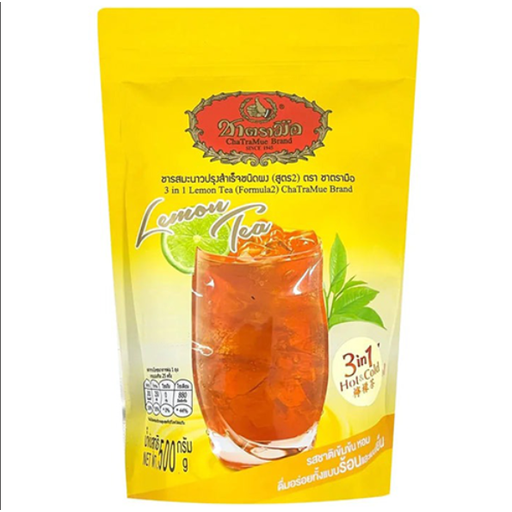
Why this product fits the profile: The 500 g pack is ideal for households that want to prepare lemon tea regularly, either hot or as an iced tea.
The ingredient and nutritional information clearly shows the high sugar content of 49.6 g per 100 g, preventing it from being mistaken for a low-sugar option.
Instant mix with black tea extract and lime powder; suitable for both hot and cold preparation.
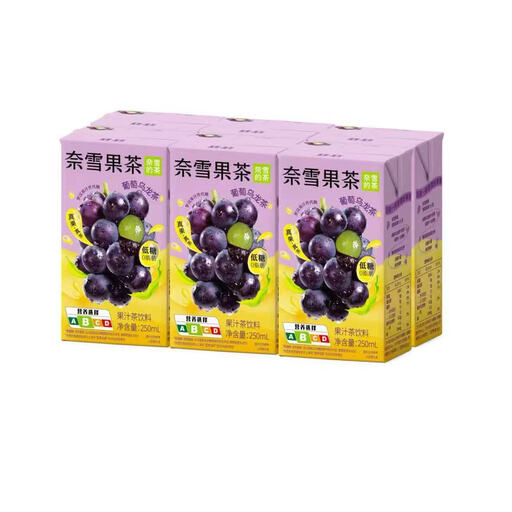
Why this product fits the profile: Oolong tea and red grape juice come together in a portioned drink designed for chilled enjoyment.
The declared total fruit content of at least 5% and the amount of oolong tea added are clearly stated.
250 ml portions in a pack of six; 0 g fat and 4.8 g sugar per 100 ml according to the product information.
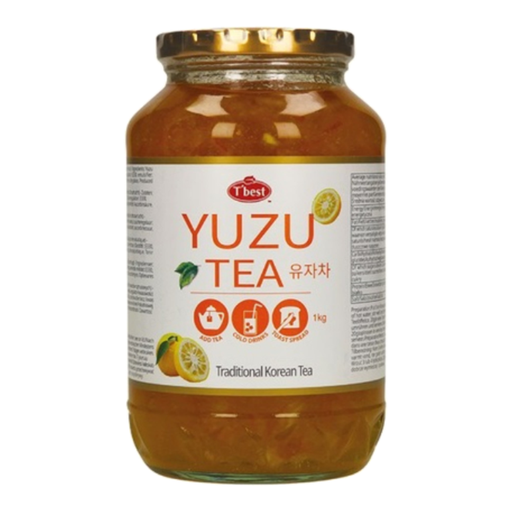
Why this product fits the profile: This Korean fruit concentrate is designed for frequent preparation, larger households and a variety of uses.
The dosage of 2 to 3 teaspoons per cup is specified, allowing you to control the strength of the drink yourself.
1 kg pack; can be used hot or cold; according to the product information, also suitable for desserts, yoghurt and pancakes.
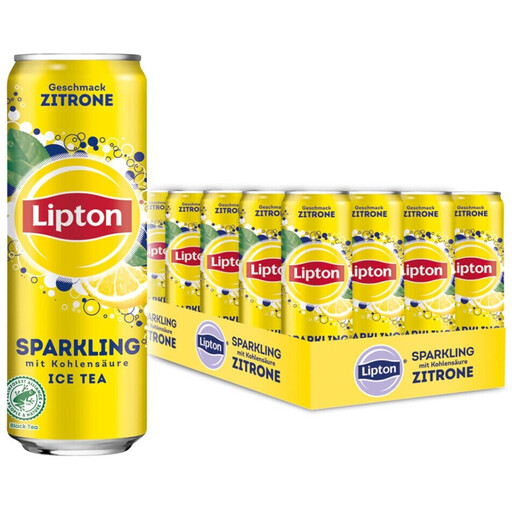
Why this product fits the profile: The 24-pack of 0.33 litre cans is designed for individual portions and serving to a group.
The sugar content of 4.5 g per 100 ml and the light carbonation are clearly stated, rather than just being marketed as “refreshing”.
Ready to drink, can be served chilled, and made with black tea extract and concentrated lemon juice.
We’ve put together a complete, regularly updated list of products that fully meet these strict selection criteria and the safety regulations in force in the EU.
A ready-to-drink iced tea can be used straight after opening. Bottles or cans simply need to be chilled. For stocking up, multi-packs such as Fuze Tea Peach, Pfanner Peach Iced Tea or Lipton Sparkling Lemon Ice Tea are a good choice. After opening, be sure to follow the storage instructions on the packaging.
Instant tea is mixed with water according to the manufacturer’s instructions. CHATTRAMUE 3 in1 Lemon Tea is intended for both hot and cold drinks. For frozen or very cold drinks, it can be helpful to dissolve the powder in a smaller amount of water first, then add cold water or ice.
This depends on the product type. Opened ready-to-drink drinks should usually be refrigerated and consumed within a few days. Concentrates such as yuzu tea, citron tea or plum tea are typically stored in the fridge after opening. Always follow the specific instructions on the label.