
Lieferung heute & morgen

Qualitätsgarantie

Willkommens-Angebote freischalten: KOSTENLOSE Lieferung | Bis zu 80 % RABATT | Kostenlose 30-Tage-JoyPlus-Testphase
App herunterladen
The market for in-ear Bluetooth headphones is overwhelming. Manufacturers advertise with a flood of technical data and marketing promises that make it difficult to make an informed decision. Many buyers find after a short time that their new device does not meet their expectations. As your Joybuy Product Recommendation Officer, I will help you identify the crucial features and avoid common purchasing traps.
Three common pitfalls, in particular, repeatedly lead to disappointment:
To avoid a bad purchase, you should not be guided by marketing terms but focus on verifiable technical specifications. Three parameters are of central importance for the longevity and functionality of your true wireless headphones.
The IP (Ingress Protection) rating precisely indicates how well a device is protected against the ingress of foreign objects (first digit) and water (second digit). For headphones, the second digit is particularly relevant.
Always check the exact IP rating before purchasing to ensure the headphones are suitable for your intended use.
For many users, headphones with long battery life are a decisive criterion. Pay attention to three values here:
In-ear headphones with noise cancelling are ideal for loud environments such as public transport or open-plan offices. The quality of the noise cancellation is often specified in decibels (dB). A higher dB value means a stronger reduction of ambient noise.
A good ANC headphones model should offer a noticeable reduction of at least 25 dB and have a well-functioning transparency mode.
Based on these objective criteria, we have identified some models that represent a suitable solution for specific user groups.
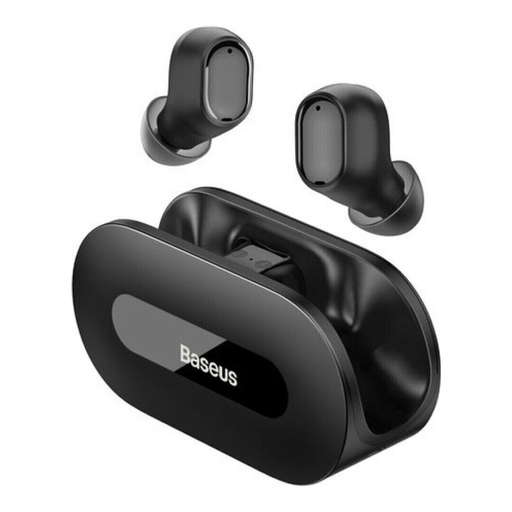
Why This Fits Their Persona: Ideal for users seeking a reliable and cost-effective solution for daily music and podcast listening. The solid basic features, without expensive extras, make them a pragmatic choice.
This model doesn't promise high-end noise cancellation, instead focusing on a stable Bluetooth 5.3 connection and a realistic battery life of up to 25 hours with the case. Expectations are clearly defined and met.
Excellent value for money; Stable and fast connection thanks to Bluetooth 5.3.

Why This Fits Their Persona: Designed for users who want to work or listen to music undisturbed in noisy environments like trains or aeroplanes. The combination of strong ANC and long battery life is crucial here.
This model avoids the ANC trap by providing a concrete value: the active noise cancellation of up to 49 dB is a verifiable parameter that promises high effectiveness. The long total runtime of up to 42 hours is also sufficient for long journeys.
Powerful active noise cancellation (up to 49 dB); Very long total runtime (up to 42 hours); Fast charging function.
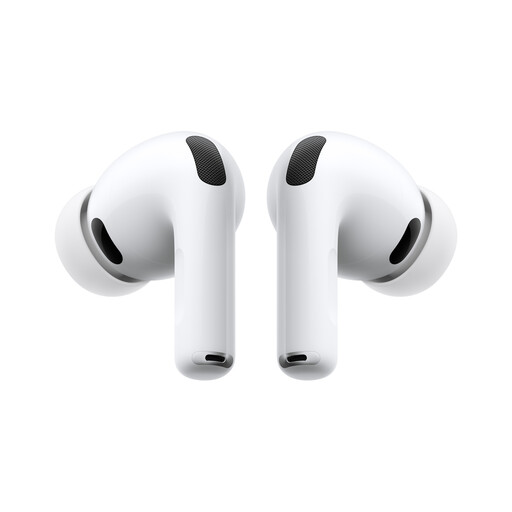
Why This Fits Their Persona: For active users who need an absolutely secure fit and reliable protection from sweat, rain, and dust during training, running, or cycling. The seamless integration into the Apple ecosystem is an added benefit.
This model sidesteps the water-resistance trap with a clear IP57 certification. This not only means protection against temporary submersion but also high-level dust protection, which significantly increases durability during outdoor activities.
High dust and water protection (IP57); Secure fit with five different sizes of silicone tips.
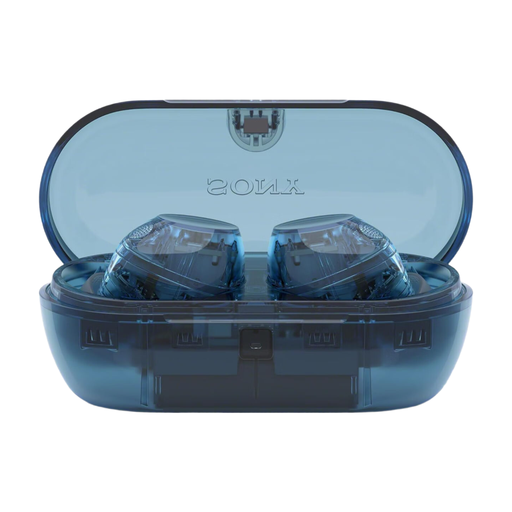
Why This Fits Their Persona: Perfect for users who frequently switch between different devices (e.g., laptop and smartphone) and need clear voice quality for phone calls and video conferences.
This model addresses an often-overlooked problem: cumbersome switching between devices. The Multipoint connection is a tangible feature that offers real value in the daily workflow, going beyond generic marketing promises.
Multipoint connection for seamless switching between two devices; Clear call quality through AI-powered voice pickup.
We have compiled a complete, up-to-date list of products that fully meet these strict selection criteria and fully comply with German safety regulations.
The lifespan of in-ear Bluetooth headphones depends on two factors: the battery and physical durability. The lithium-ion battery in the headphones and charging case loses capacity after about 2-3 years or 300-500 charge cycles. The physical lifespan depends heavily on the build quality and usage. Models with a higher IP rating (e.g., IP57) tend to be more durable as they are better protected against dust and moisture.
Yes, in principle, all modern Bluetooth headphones are compatible with all Bluetooth-enabled smartphones as they are based on the same standards. However, some models offer additional convenience features for specific operating systems. For example, many headphones for Android support Google Fast Pair for quicker initial setup, while Apple products like AirPods offer deeper integration into the iOS ecosystem (e.g., automatic device switching). However, basic functions like listening to music and making calls with headphones with a microphone work across all platforms.
An IPX4 certification means that the headphones are protected against splashing water from all directions. For most sports activities like jogging in the rain or sweaty workouts at the gym, this level of protection is sufficient. It reliably protects the electronics from sweat and light precipitation. However, IPX4 is not suitable for water sports like swimming or activities with a risk of submersion. For this, a classification of IPX7 or higher would be required.