If your main aim when transcribing is to judge the sequence of notes and the balance between instruments, a well-fitting in-ear model with a frequency response described by the manufacturer as flat is a useful starting point for comparison. If the bass line is hard to hear, you could also try models with a stronger bass emphasis. Etymotic describes the ER2SE as having a flat response and the ER2XR as having more bass emphasis. However, neither these descriptions nor model-specific isolation figures show which model will work better in your ears or with your recording. Try different ear tips, compare the same passage at a moderate volume and check your playback device’s connection.
Who listens, and in what conditions?
People listening for bass in a noisy home
If conversations or household noise get in the way when you listen repeatedly, a well-fitting ear tip and suitable isolation matter. Shure and Etymotic publish passive noise-isolation figures for certain models, but how they fit in your ears will vary.
Transcribers focused on accuracy
If you want to judge pitches and the sequence of notes, you can compare a response described as more neutral with one that has more bass emphasis. Etymotic describes the ER2SE as having a flat response and the ER2XR as having more emphasis in the bass range.
People listening for long stretches
When you’re repeating passages many times, your choice of ear tips, any feeling of pressure and keeping the volume under control can all matter. Sennheiser and Audio-Technica offer different ear tip options; only you can judge how comfortably they fit your ears.
What should you look for when buying?
| What matters |
What to check before buying |
Who it matters most to |
| Noise isolation |
Try different ear tip sizes and materials; don’t treat the manufacturer’s figures as a guarantee of how they’ll fit you. |
If conversations or noise in the room are getting in the way of hearing the bass line, I want to listen at a moderate volume with a good fit. Around 36% of consumers say isolation matters most to them. |
| Making bass easier to hear |
Compare the same short passage and listen for the attack of the notes, overtones and other instruments too. |
If I want to judge the sequence of notes and the balance between instruments, I don’t want to mistake a bass boost for greater accuracy. Around 29% of consumers say sound tuning is their main concern. |
| Fit and longer listening sessions |
Compare the available ear tip sizes and materials; take listening breaks and don’t turn the volume up to drown out noise. |
When listening to a passage repeatedly, I want to find an ear tip that seals well without pressing uncomfortably, and keep an eye on the volume. Around 21% of consumers say fit and comfort matter most to them. |
| Connections and replacement parts |
Check your device’s audio output, as well as the exact connector type on the in-ear headphones and any compatible replacement cables. |
If I want to keep using my existing connection or replace a part, the plug and replacement part need to match my device or model. Around 14% of consumers say connections and ease of maintenance matter most to them. |
Which mistakes should you avoid?
-
Assuming isolation figures for different models are directly comparable
Shure quotes up to 37 dB for the SE215, Etymotic quotes 35–42 dB for the ER2SE, and Sennheiser quotes less than 26 dB for the IE 100 PRO. These manufacturer figures don’t prove that the measurements use the same basis or show how the headphones will fit your ears.
Compare the ear tips and fit in your own ears rather than choosing solely by the highest dB figure.
-
Assuming more bass means more accurate transcription
According to Etymotic, the ER2XR and ER2SE have different bass responses. A stronger bass presence doesn’t prove that you’ll be able to identify notes more accurately.
Compare short, familiar passages and listen to the other instruments too.
-
Assuming a detachable cable is universally compatible
The Shure SE215 uses MMCX connectors at the earpiece, while the Audio-Technica ATH-E40 uses A2DC. So a replaceable cable won’t necessarily fit both models.
Check the connection at the earpiece and the playback device separately. Depending on your device or replacement needs, you may need a suitable adapter or a replacement cable compatible with your model.
Relevant brands at a glance
Etymotic
The ER2SE and ER2XR let you compare different bass responses.
- Etymotic describes the ER2SE’s response as flat and quotes passive attenuation of 35–42 dB for both the ER2SE and ER2XR.
- These figures don’t show how either model will fit your ears or which one is better suited to a particular recording.
Shure
The wired SE215 comes with several ear tip options and a sound profile that the manufacturer describes as powerful in the bass.
- Shure quotes up to 37 dB of noise reduction and a detachable MMCX cable.
- “Up to” doesn’t tell you what figure you’ll achieve. The product page is marked “Professional Use Only”; check what this means for your particular purchase.
Sennheiser
The wired IE 100 PRO is a monitoring option supplied with silicone and foam ear tips.
- Sennheiser specifies a 10 mm driver and silicone and foam ear tips.
- Sennheiser quotes noise attenuation of less than 26 dB for the IE 100 PRO. This figure isn’t directly comparable with model specifications documented differently, and it doesn’t tell you how the earphones will fit you.
Audio-Technica
The wired ATH-E40 is aimed at buyers looking for several silicone ear tip sizes and a detachable cable.
- Audio-Technica specifies four ear tip sizes and describes the sound as having powerful bass with balanced mids and highs.
- This sound description doesn’t prove better transcription performance. The cable uses A2DC connectors at the earpiece, so any replacement must be compatible.
beyerdynamic
The manufacturer positions the DT 70 IE for critical listening and the DT 71 IE for Drum & Bass.
- The different ways the manufacturer positions these models offer a starting point for comparing them by listening purpose.
- This doesn’t prove an advantage for transcribing at home. You’ll need to judge the fit and how useful they are for your own task.
Related products at Joybuy
The in-ear headphones below are described as having active noise cancellation; several also mention EQ settings. Check whether the sound profile, fit and connection suit your transcription task.
 No image available
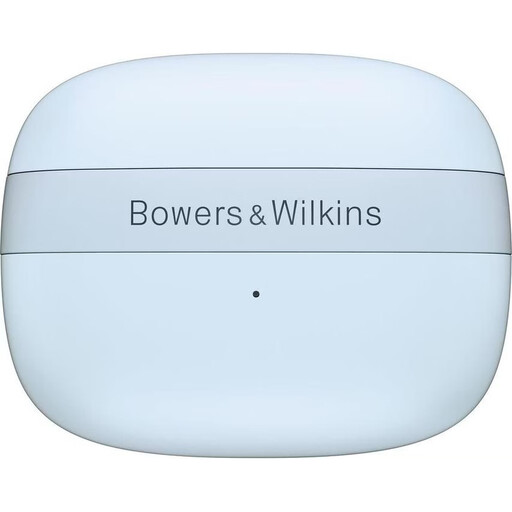
Bowers & Wilkins Pi6 True Wireless in-ear headphones
Could be worth considering as a wireless option if you’re looking for noise cancellation; compare the sound profile with your recording to see whether it helps you pick out the bass line.
The description mentions Active Noise Cancelling, a closed design and four interchangeable ear tip sizes.
12 mm bio-cellulose drivers, aptX Adaptive, Bluetooth 5.4 with multipoint and up to 8 hours of battery life.
Joybuy
 No image available
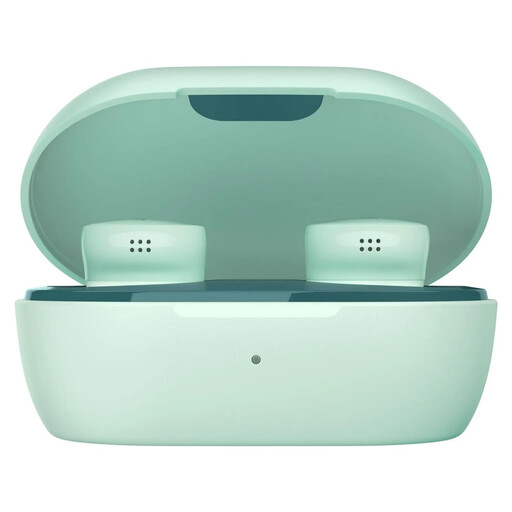
Bose QuietComfort Wireless Noise-Cancelling Earbuds, Dewdrop Mint
A wireless option if you want to compare adjustable noise cancellation and EQ settings; check the sound with your own recording.
The description mentions bass, mid and treble EQ settings in the Bose QCE app, as well as nine combinations of ear tips and stability bands.
Bluetooth 5.3 with multipoint and up to 8.5 hours of battery life.
Joybuy
 No image available
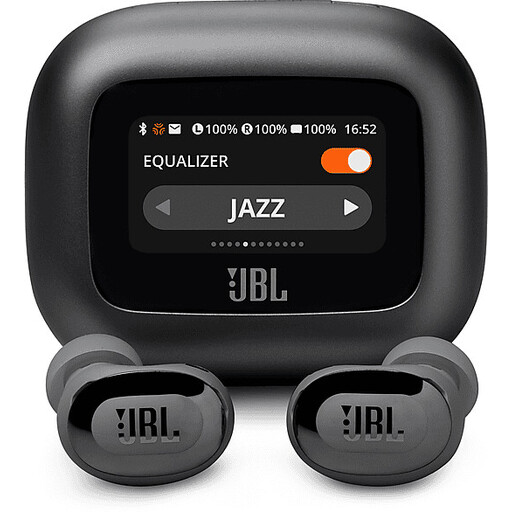
JBL LIVE BUDS 3 True Wireless NC Earbuds, Black
Could be a good fit if you want to try noise cancellation and adjustable EQ while listening; compare how it affects the bass line in your recording.
The description mentions True Adaptive Noise Cancelling, EQ control via the charging case and ear tips in three sizes.
Up to 10 hours of playback per charge.
Joybuy
 No image available
Samsung Galaxy Buds4 Pro, Black
An option to compare if you’re looking for noise cancellation and adjustable sound settings; the best way to judge whether they’re suitable is to try them with the recording you want to transcribe.
The description mentions Active Noise Cancelling, an ambient mode, an adjustable 9-band equaliser and a dual-speaker system.
Up to 6 hours of playback with ANC on and up to 26 hours in total with the charging case.
Joybuy
 No image available
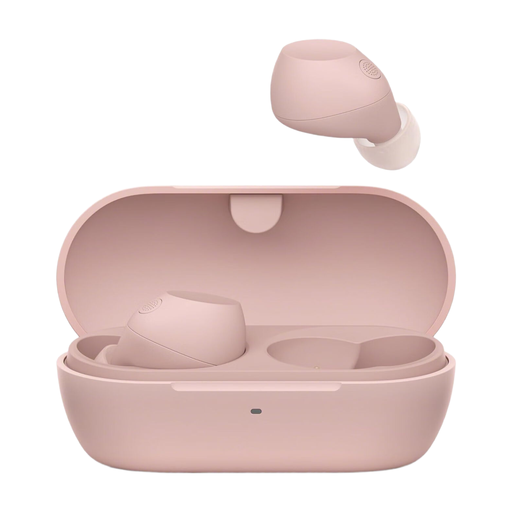
Sony WF-C710N Noise-Cancelling True Wireless Earbuds, Pink
Could be worth considering when comparing wireless noise-cancelling options with adjustable EQ; check whether the bass line remains clear enough in your recording.
The description mentions Active Noise Cancelling, an ambient mode, an adjustable 5-band equaliser and a closed design.
Multipoint connection for two Bluetooth devices.
Joybuy
Frequently asked questions
Can I just turn the volume up when there’s noise in the room?
First, check the fit and take listening breaks rather than turning up the volume to drown out background noise. The World Health Organization points out that volume, listening time and frequency all contribute to risk. It recommends keeping the volume to no more than 60% of your device’s maximum and, when using volume monitoring, aiming for an average below 80 dB. The percentage shown on your device doesn’t measure the actual sound level in your ears.
How should I care for the IE 100 PRO after listening?
Sennheiser recommends wiping its IE PRO series with a soft, dry cloth and advises against getting liquids or cleaning products on the products. Follow the care instructions for your specific model when cleaning the ear tips and connectors.
What are my rights when shopping online in Germany?
For an eligible online consumer purchase, you generally have a 14-day cancellation period starting from delivery; possible exceptions and the specific return conditions should be taken into account. EU consumer information states that goods have a legal guarantee of at least two years from receipt; this is separate from any voluntary manufacturer’s warranty. Whether a hygiene exception applies to a particular sealed in-ear product depends on the circumstances.
Can in-ear headphones with stronger bass replace a separate bass track?
No. A bass boost changes how the existing mix sounds, but it doesn’t separate the instruments. A software stem-separation feature can extract the bass as a separate track from a mix; that’s a different function from anything in-ear headphones can do.


