What to look for when buying
First compare the sound tuning for your transcription task, then consider fit and noise reduction on the train, and finally check the connection against the specific device you’ll be using.
| Buying priority |
What to check |
Who it matters most to |
| Assess bass notes accurately |
Model tuning; flatter or boosted bass reproduction |
If I want to judge pitches and how the bassline sits in relation to the rest of the mix, a consistent, easy-to-understand tuning matters more than extra bass. Around 29% of shoppers put accurate sound reproduction first. |
| Block out train noise |
Passive fit or ANC; don’t treat advertised attenuation as a personal measurement |
If train noise masks quiet passages, I want to consider noise reduction without simply turning up the volume. Around 29% of shoppers prioritise blocking out train noise. |
| Comfortable fit |
Included ear tip sizes; check the fit and seal gently |
If I want to wear my in-ears for longer, I need a comfortable fit that doesn’t require constant adjustment. Around 24% of shoppers focus first on fit and comfort. |
| Connection and ease of use |
Device socket and included accessories; allow for charging with wireless models |
If I work on a phone or tablet, I want to know whether the model will work without needing an extra adapter and how easy it is to use on the move. Around 18% of shoppers prioritise connection and ease of use. |
Wireless in-ears with ANC at Joybuy
This selection includes wireless in-ears with ANC for shoppers who want to factor in freedom of movement and noise reduction when travelling by train. ANC alone doesn’t guarantee neutral bass reproduction for transcription.
 No image available
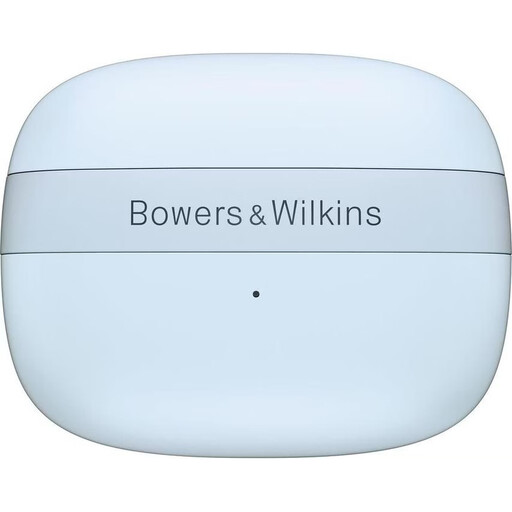
Bowers & Wilkins Pi6 true wireless in-ear headphones
A wireless ANC option if you want to reduce ambient noise during your journey; the feature doesn’t guarantee neutral bass tuning.
ANC; four ear tip sizes; up to 8 hours of battery life according to the product description. Wireless use requires a charged battery.
View at Joybuy
 No image available
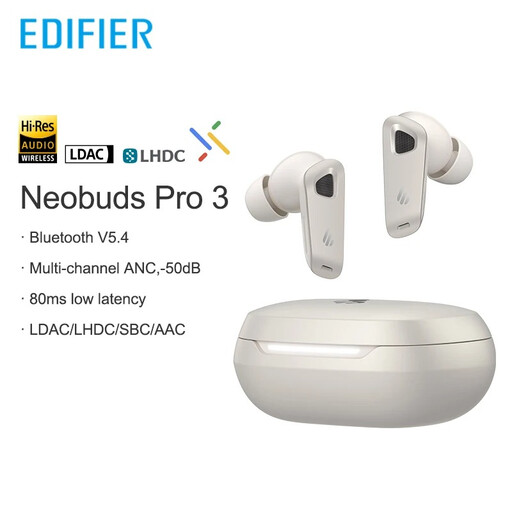
Edifier NeoBuds Pro 3
A wireless ANC option for shoppers looking for noise reduction and Bluetooth playback on their journey; the listed audio features don’t guarantee neutral bass reproduction.
The product information lists adaptive ANC, Bluetooth and LDAC/LHDC. Wireless use requires a charged battery.
View at Joybuy
 No image available
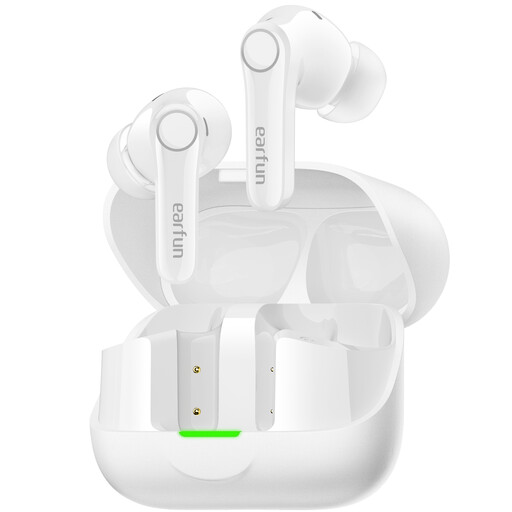
EarFun Air Pro 4+
The product information lists adaptive ANC and an emphasis on deep bass. If you want to judge notes as neutrally as possible, bear this bass tuning in mind.
Bluetooth 6.0; aptX Lossless and LDAC are listed in the product title. Wireless use requires a charged battery.
View at Joybuy
 No image available
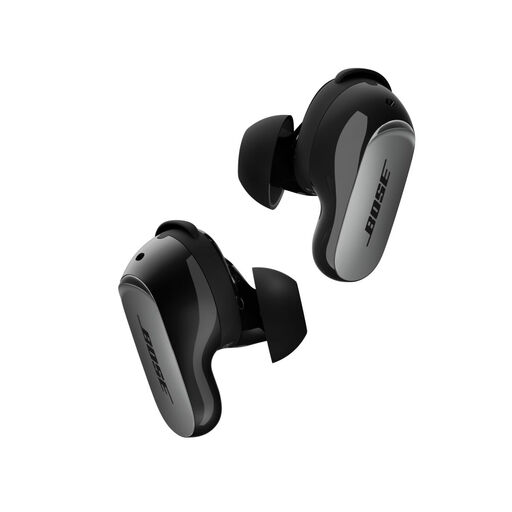
Bose QuietComfort Ultra Bluetooth Earbuds, 2nd Gen.
A wireless ANC option with customisable ear tips and stability bands; the product title also highlights Deep Bass, which is worth bearing in mind if you want a neutral sound.
Up to 6 hours of battery life in Quiet or Aware mode, according to the product information. Wireless use requires a charged battery.
View at Joybuy
 No image available
HUAWEI FreeBuds Pro 4
A wireless ANC option with interchangeable ear tips. The product description highlights deep, powerful bass, which may affect how neutrally you can assess a bassline.
The product information lists adaptive ANC and three sizes of silicone ear tips included in the box. Wireless use requires a charged battery.
View at Joybuy
Frequently asked questions
How do I find the right ear tips for a train journey?
Compare the sizes and materials included, and check that both sides fit comfortably and create a good seal. Shure and Sennheiser list a range of tips for the models mentioned; you can’t tell how much isolation you’ll get personally from an advertised maximum figure.
Is turning up the volume a good solution if I can’t hear bass notes clearly?
No. The German Environment Agency recommends listening to music through headphones at a moderate volume. Check the fit and seal first rather than trying to compensate for a poor seal by listening at a high volume.
What should I check before connecting to a phone?
Compare your device’s input with what’s included with the specific version. Shure lists a 3.5 mm cable for the SE215; Sennheiser lists a Bluetooth module and a standard PRO cable for the IE 100 PRO Wireless. Any phone adapter you might need isn’t automatically included.
What are my rights if I buy online in Germany?
For an applicable distance-selling contract, you generally have 14 days from delivery to withdraw. Section 312g of the German Civil Code (BGB) sets out exceptions, including sealed goods that aren’t suitable for return for health protection or hygiene reasons if their seal has been removed after delivery. Whether these conditions apply to a particular in-ear product can’t be determined from the product category alone.
Can I transcribe a bassline while wearing in-ears in the quiet carriage on an ICE train?
Deutsche Bahn specifically says that listening to music loudly, including through headphones, is not welcome there. Keep the volume low enough not to disturb others; this doesn’t mean there’s a general ban on wearing headphones on the train.


