For learners with conversations in the background
If you want to hear course voices while other people are talking nearby, look for ear tips that fit snugly and comfortably. How well they block out sound also depends on how they fit your ears.


For focused listening when there are conversations in the background, well-fitting, passively isolating wired in-ear monitors are a natural starting point, provided your course device has a compatible connection. If you need to respond to people nearby during a lesson, wireless earbuds with a switchable ambient mode may suit you better – although this mode will also make distracting conversations audible again. Neither ANC nor an isolation rating guarantees that you’ll understand a particular course better. Check the fit and connection, and don’t simply turn up the volume to compensate for background noise.
If you want to hear course voices while other people are talking nearby, look for ear tips that fit snugly and comfortably. How well they block out sound also depends on how they fit your ears.
If you sometimes need to respond to people around you while listening, it’s important to be able to control the balance between blocking out noise and staying aware of your surroundings.
If you listen to a course for extended periods, look for a comfortable fit and a connection that works with your playback device. You shouldn’t need to turn up the volume to overcome background noise.
A good fit if: You want to hear as little background conversation as possible while studying, and your playback device has a compatible audio output.
The trade-off: The fit may make it harder to hear someone speaking to you. The ear tips should fit snugly without pressing uncomfortably.
A good fit if: You want to switch between focused listening and hearing people speak to you, and you’re happy to pair and charge the earbuds.
The trade-off: Ambient mode lets outside sounds in. Battery life and any requirements for using app features are also worth considering.
The table compares the options according to what matters most to you when listening to this course.
| Priority | What to check before buying | Who should pay particular attention? |
|---|---|---|
| Understanding course voices | Check the ear tips and fit. A manufacturer’s isolation rating doesn’t guarantee that you’ll understand speech in your course. | If you want to follow course voices despite nearby conversations, a good seal matters more than a single maximum rating. Around 34 % of consumers put this first. |
| Staying aware of your surroundings | Check whether the specific model has an easy-to-access ambient mode, and whether automatic features require an app or additional activation. | If you need to respond to someone speaking to you during a lesson, being able to switch modes deliberately is important. Around 20 % of consumers prioritise awareness of their surroundings. |
| Comfort during long lessons | Check the ear tips and sizes. Before opening the product, check the return conditions that apply to that specific item. | If you plan to listen to the course for extended periods, the fit should remain comfortable. Around 20 % of consumers put this first. |
| Connection to your course device | Check the audio connection or Bluetooth pairing on your own device. For wireless models, also factor in regular charging. | If you need a reliable connection during your lesson, it must work with your phone, tablet or laptop. Around 13 % of consumers prioritise connectivity and readiness to use. |
| Keeping the volume at a sensible level | Check the fit and noise control, choose a comfortable volume and plan breaks during longer sessions. The WHO recommends well-fitting or noise-cancelling headphones to reduce the need to turn up the volume in noisy environments. | If you don’t want to compensate for background conversations by turning up the audio, your listening setup should support that goal. Around 13 % of consumers put listening at a sensible volume first. |
Manufacturer ratings for passive attenuation aren’t measurements taken with your ears, your fit and this particular bilingual course material.
Compare the design and the ear tips available. Consider an isolation rating only in the context of the conditions it was measured for.
Ambient mode makes outside sounds audible, which can also bring distracting background conversations back into the mix.
Choose different modes deliberately for focused lessons and when you need to hear someone speaking to you, and check how the controls work on the specific model.
Wired models need a compatible audio output; wireless models need to be paired and charged. For certain unsealed goods, a statutory exception to the right of withdrawal may apply if the conditions in German Civil Code § 312g are met.
Before buying, check compatibility with your devices and the seller’s information about returns, seals and any return postage costs.
The SE215 is a wired in-ear monitor with passive isolation.
The ER2SE is a wired in-ear monitor with passive isolation.
The IE 200 is a wired in-ear monitor with adjustable ear hooks.
The Galaxy Buds3 Pro are a wireless alternative with ANC and ambient mode, rather than wired in-ear monitors.
The WF-1000XM5 are wireless in-ear headphones with noise cancelling and features for brief conversations.
This selection includes wired in-ear headphones with passive isolation, as well as wireless in-ear headphones that let you switch between focused listening and hearing your surroundings.
 No image available
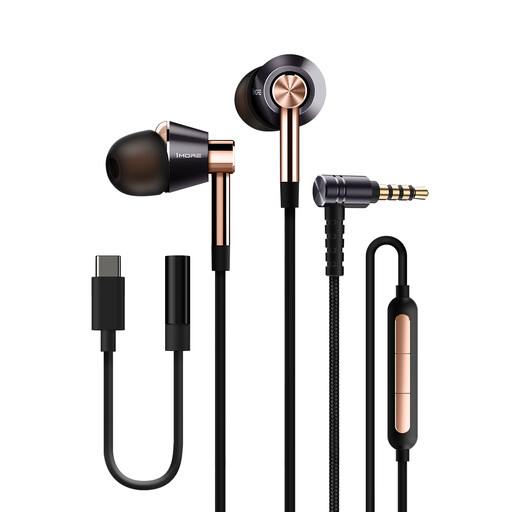
For learners who prefer wired in-ear headphones. Check that the connection is compatible with your course device.
The product name lists an integrated microphone. Fit matters: according to the product description, ill-fitting ear tips can affect sound or call quality.
 No image available
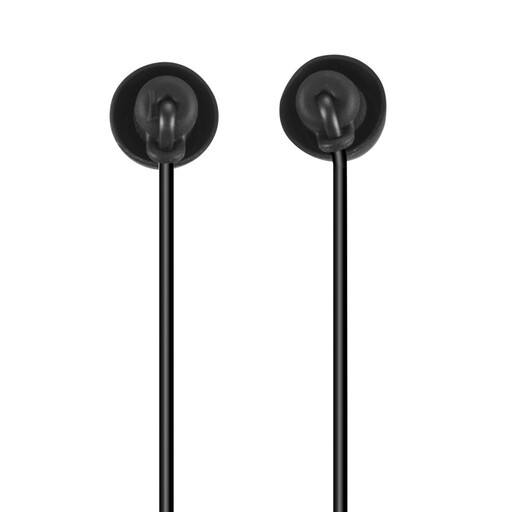
This model is a wired option for a course only if your playback device supports USB-C audio.
Check that the ear tips fit comfortably; fit is an important consideration when choosing.
 No image available
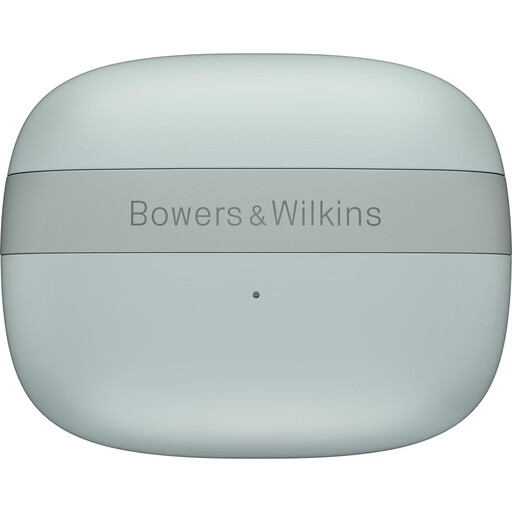
A wireless option for learners who want to use ANC. Check that Bluetooth pairing and regular charging suit your course routine.
The product name lists Bluetooth 5.4 and Multipoint. Check that the ear tips are the right size for a good fit.
 No image available
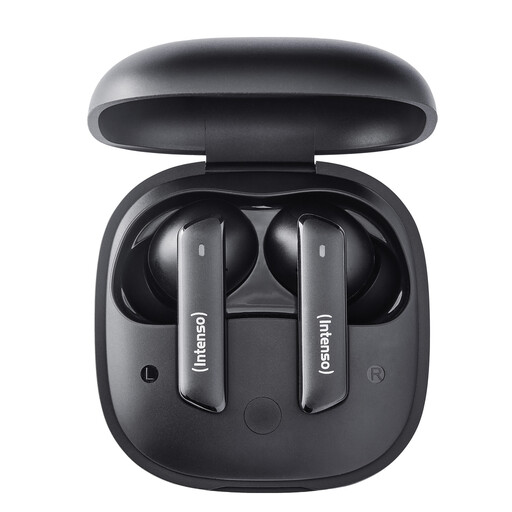
This wireless option is designed to let you switch between focused listening and hearing your surroundings.
Transparency mode deliberately lets you hear ambient sounds. Make sure Bluetooth pairing and charging work for the way you plan to use them.
 No image available
For learners who want to switch between ANC and hearing their surroundings. This model is wireless and needs to be paired and charged.
Ambient mode deliberately keeps outside sounds audible. Check that the controls and fit work for your listening breaks.
No. There’s no general ranking that applies to your bilingual course. A speech study in the Journal of the Acoustical Society of America looked at speech against a background of other speakers, but it didn’t test in-ear headphones or bilingual courses. Product descriptions don’t provide a comparative test either. So start by checking the fit and how much you need to hear your surroundings.
Choose ear tips that fit comfortably and put the earbuds in without pressing them in too hard. With wired models, the connection must be compatible with your playback device; with wireless models, check pairing and controls. Keep the volume comfortable and take listening breaks during longer sessions.
For eligible consumer purchases in the EU, you generally have at least two years of legal rights against the seller. This is separate from any voluntary manufacturer’s guarantee. Distance purchases generally come with a 14-day withdrawal period from delivery, as explained by Your Europe, the European Union’s consumer portal. Under German Civil Code § 312g, an exception may apply to unsealed goods that are unsuitable for return for health protection or hygiene reasons. Whether these conditions apply to a particular pair of earbuds can’t be determined from the product type alone. Before opening the product, check the information provided by the seller about the item and returns.