For bilingual listening courses, choose in-ear headphones that connect to your playback device and feel comfortable at a moderate volume. Check how clearly you can hear with a familiar passage in both languages. If background conversations are a problem, a well-fitting ear tip can help; for longer sessions, comfort and regular breaks matter too. Manufacturers’ claims about sound or noise isolation don’t guarantee better speech comprehension or a comfortable fit for every ear.
Who are these in-ear headphones for?
Learners who repeat sections often
If you often repeat short sentences in both languages, check that you can make out the words and quieter parts of each sentence at a comfortable volume. A description of the sound alone is no guarantee of learning success.
Learners in noisy environments
When there are conversations in the background, a comfortable, snug-fitting ear tip can help without you simply turning up the volume. How well it blocks out noise also depends on how it fits you.
Learners with long listening sessions
For longer exercises, a comfortable fit and the right ear tip size matter. The World Health Organization points out that volume, listening duration and how often you’re exposed to loud sounds all affect your hearing.
What should you look for when buying?
First, check that the connection is compatible with your playback device. Then compare the fit and how clearly you can hear speech using a familiar course recording at a moderate volume. If you study somewhere noisy, it’s also important that the right ear tips feel comfortable and block out distractions.
| What matters |
What to check before buying |
Who is this important to? |
| Clarity in both languages |
Listen to the same passage in both languages on your own device, at the same moderate volume. |
If I’m repeating short sentences, I want to make out the words and quieter parts clearly. Around 33% of consumers are likely to put speech clarity first. |
| Blocking out distracting conversations |
Try the ear tips in your usual study environment; don’t assume that the manufacturer’s maximum figure reflects how they’ll work for you. |
If background conversations drown out quieter parts of a recording, I’m looking for a comfortable, well-fitting ear tip. Around 25% of consumers prioritise noise isolation. |
| Comfort during longer exercises |
Compare the sizes included and check for pressure or a loose fit. |
For longer study sessions, I want a fit that doesn’t press on my ears or tempt me to turn up the volume. Around 25% of consumers say long-term comfort is their top priority. |
| Connection and replaceable parts |
Check your device’s socket, the exact model variant and the connector type of any replacement cable. |
If I’m playing recordings directly from my own device or want to replace a cable, the connection needs to be compatible. Around 17% of consumers put device connectivity or cable replacement first. |
Avoid common buying mistakes
-
Assuming a maximum noise-isolation figure guarantees clear speech
Shure states that the SE215 Special Edition UNI offers up to 37 dB of noise isolation. This manufacturer figure doesn’t measure how well it works in your ear or with a particular course recording.
Try the right ear tip with your recording in your usual study environment, at a moderate volume.
-
Assuming the JD1, JD1 TC and similar-looking cable connectors are interchangeable
FiiO distinguishes between the wired JD1 and the USB-C version, the JD1 TC. FiiO also says that not every flat or recessed 0.78 mm two-pin cable will fit the JD1.
Check the full model variant against your device’s socket, and confirm the exact plug shape before choosing a replacement cable.
Depending on the connection, you may also need a suitable adapter or replacement cable.
-
Turning up the volume to compensate for background noise
The World Health Organization explains that volume, duration and how often you’re exposed to loud sounds all affect your hearing. A snug fit can help you avoid turning the volume up too high in a noisy environment.
Try different ear tips or a quieter place to study, and take breaks during longer exercises.
Key brands at a glance
Sennheiser
The IE 200 is a wired option with a detachable MMCX cable and a 3.5 mm plug.
- Sennheiser lists adjustable ear hooks and a choice of ear tips as ways to customise the fit.
- The manufacturer’s description of a balanced sound doesn’t prove that course recordings will be clearer or that the fit will suit every ear.
Shure
The SE215 Special Edition UNI may be worth considering for study environments with distracting background noise, provided the connection and fit are right.
- For this version, Shure specifies replaceable ear tips, a detachable MMCX cable and up to 37 dB of noise isolation.
- This maximum figure is a manufacturer’s claim, not a measurement of how well it will work for you or a guarantee of speech clarity. Check the exact version and what’s included.
FiiO
With the JD1, make sure you distinguish the wired version from the USB-C JD1 TC.
- FiiO lists a 3.5 mm cable and three ear tip sizes as included with the JD1.
- According to FiiO, the 0.78 mm two-pin connector won’t fit every similar-looking replacement cable.
MOONDROP
The wired CHU II is another option for comparing the fit and playback with a familiar course recording.
- MOONDROP lists a 3.5 mm plug, a 0.78 mm two-pin connector and S, M and L ear tips.
- The manufacturer’s sound claims don’t prove that these headphones are better for learning; you’ll need to check the fit and clarity with your own device.
Joybuy products for listening courses
This selection includes wired in-ear headphones with USB-C or 3.5 mm connections. Before buying, check which connection works with your playback device.
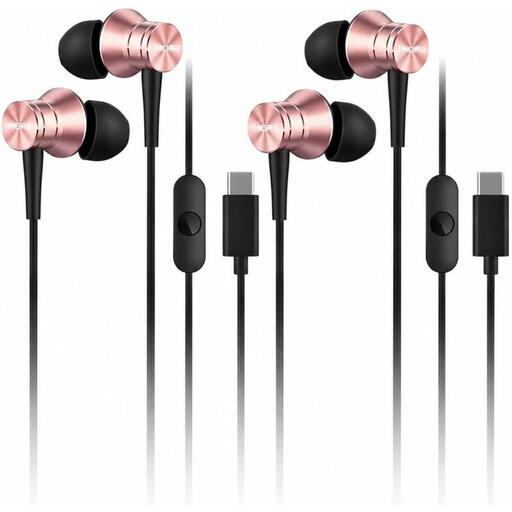 No image available
1MORE Piston P10, USB-C, pink
For a device with a compatible USB-C audio output; this model has an in-line microphone and remote control.
The cable is reinforced with Kevlar, according to the product description. Additional silicone ear tips are also listed.
View at Joybuy
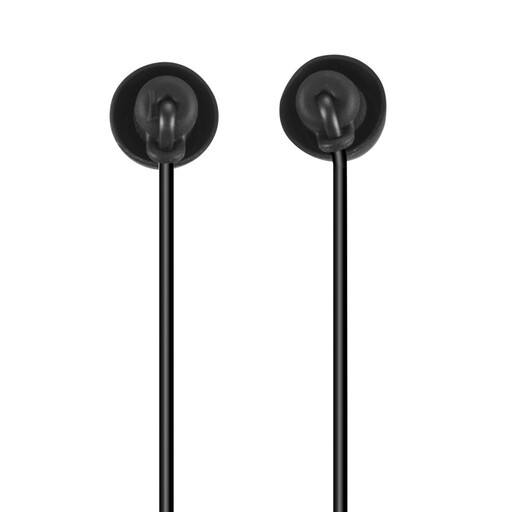 No image available
Calm in-ear headphones, USB-C, black
For a compatible USB-C audio device; according to the product description, the wired connection requires neither Bluetooth pairing nor charging.
The stated weight is 10 g. The description lists an extra-small silicone ear tip, an in-line microphone and a remote control.
View at Joybuy
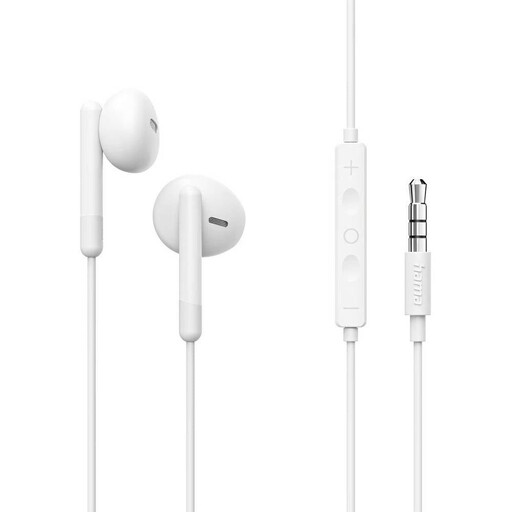 No image available
Noble in-ear headphones, 3.5 mm, white
For a playback device with a compatible 3.5 mm audio output; this wired model has an in-line microphone and remote control.
The cable is listed as 1.2 m long. The product description mentions reinforced strain relief.
View at Joybuy
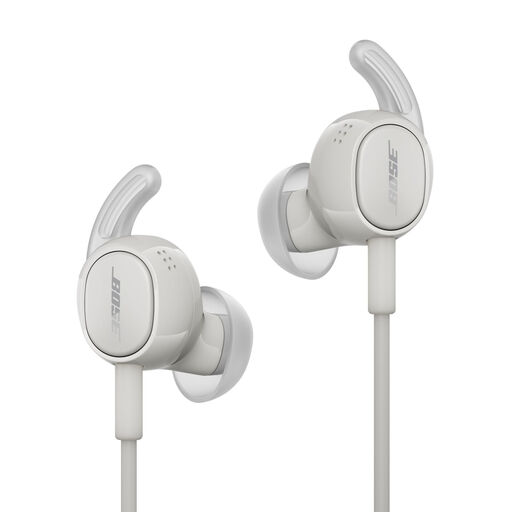 No image available
Bose wired in-ear headphones, USB-C, white
For a compatible USB-C audio device; the product description lists a wired connection, a microphone and a remote control.
The description lists QuietControl noise cancellation and IPX4 protection. It also mentions S, M and L ear tips, plus M and L stability bands.
View at Joybuy
 No image available
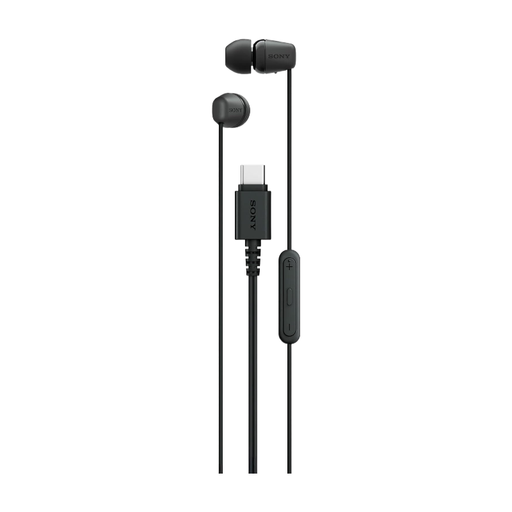
Sony IER-EX15C, USB-C, black
For a compatible USB-C audio device; according to the product description, the wired connection requires neither charging nor Bluetooth pairing.
Features include an in-line microphone, several ear tip sizes, and buttons for playback, volume, calls and voice assistance.
View at Joybuy
Frequently asked questions
Do downloaded course recordings need special in-ear headphones?
No. The in-ear headphones don’t store the files. What matters is that your playback device can play the recordings and that the headphone connection is compatible. Try a familiar passage in both languages; the manufacturer’s sound description is no substitute for this comparison.
How do I find the right ear tips for longer listening exercises?
Try the sizes included and look for a comfortable, secure fit. Keep the volume moderate and take breaks. The World Health Organization points out that volume, listening duration and how often you’re exposed to loud sounds all matter.
Will every replacement cable with a 0.78 mm two-pin plug fit the FiiO JD1?
No. FiiO notes that the JD1 cable isn’t compatible with certain flat or recessed 0.78 mm connectors. Check the plug shape and exact model variant before buying a replacement.
What rights do you have when buying online from a business seller?
According to information from the European Union, distance purchases generally come with a 14-day withdrawal period from delivery; exceptions and conditions apply. If goods are faulty, you have a legal guarantee from the seller which, according to EU information, lasts for at least two years from receipt. Check the seller’s status and the specific terms of the contract and returns.
Does every in-ear product on sale need to carry a CE mark?
No, not as a blanket rule. According to information from the European Union, CE marking is required only for products covered by relevant harmonised EU rules that call for it; it must not be used where there is no such requirement. The requirements for a specific wired or other version need to be checked for that product.


