If you want to listen closely to choral voices, start with a well-fitting wired in-ear monitor and test the sound with recordings you know well. Sennheiser describes the IE 200 as balanced, while Etymotic describes the ER2SE as having a flat frequency response. These are manufacturers’ claims, not proof that either model will sound better with every recording or suit every ear. On a noisy train, fit and noise isolation matter. To hear announcements, pause playback and check the latest travel information as well, rather than simply turning the volume up.
Who are the different approaches suited to?
Listeners who want to focus on choral voices
If you want to hear voices and accompaniment in balance, try wired models with recordings you know well. Sennheiser and Etymotic describe the tuning of their respective models as balanced and flat, but your own listening experience is what matters most.
Noise-sensitive commuters
If train noise drowns out quiet passages, well-fitting eartips and a comfortable fit are important. The World Health Organization recommends well-fitting, noise-reducing headphones to reduce the temptation to turn up the volume in noisy surroundings.
Travellers who change trains frequently
If you need to listen out for announcements, playback should be easy to pause. An ambient sound mode can be another option, but it’s no substitute for checking the latest travel information from Deutsche Bahn.
What should you look for when buying?
| Buying priority |
What to look for when buying |
Who is it most important for? |
| Sound balance |
Listen to familiar quiet and loud choral passages, and pay attention to the balance between voices and accompaniment. |
If I want to follow the voices clearly without the accompaniment overpowering them, a listening test is essential; around 27% of consumers prioritise sound balance. |
| Reducing train noise |
Check the fit and seal at a comfortable volume. Manufacturers’ decibel figures are not measurements taken under identical train conditions. |
If train noise disrupts quiet choral passages, I don’t want to compensate by continually turning up the volume; around 27% of consumers put noise reduction first. |
| Fit on longer journeys |
Try different eartip sizes and check that the fit remains comfortable for the length of your usual journey. |
On longer journeys, a comfortable fit matters more to me than the highest possible specification; around 20% of consumers prioritise comfort. |
| Hearing announcements |
Check how quickly you can pause the music or switch on an ambient sound mode; check important travel information separately too. |
If I need to listen out for a change of train or a stop, I want to be able to pause playback without any fuss; around 13% of consumers prioritise awareness of their surroundings. |
| Connectivity and use |
Check your device’s connection and whether you need a suitable adapter. For wireless models, battery life depends on the mode you use. |
Before choosing, I want to know whether the headphones are compatible with my playback device and what charging or cabling they involve; around 13% of consumers put connectivity and ease of use first. |
Avoiding buying pitfalls
-
Assuming manufacturers’ noise isolation figures guarantee the same results on a train
Shure and Etymotic’s figures are not based on tests carried out under the same conditions. Actual noise isolation also depends on how the eartips fit your ears.
Check the fit and listen at a comfortable volume. If you need to hear announcements, make sure you can pause playback.
-
Overlooking the connection on a wired in-ear
A detachable cable won’t automatically solve a connection issue. According to their manufacturers, the wired models mentioned have a 3.5 mm plug, so your playback device needs to be compatible.
Before buying, check whether your device has a suitable output or needs an appropriate adapter. When buying a replacement cable, make sure it has the right connector for your in-ear headphones.
Depending on your device, you may need an additional adapter. If you replace the cable, it must have the right connector for your model.
-
Confusing battery life with the charging case and continuous listening time
Sony quotes up to 8 hours of continuous music playback with Noise Cancelling switched on for the WF-1000XM6. Top-ups from the case don’t extend the same uninterrupted listening session.
Compare the manufacturer’s figures for the mode you plan to use on your journey.
-
Listening to headphones loudly in the ICE quiet zone
Deutsche Bahn says that listening to music loudly in the ICE quiet zone is not welcome, even when you’re using headphones.
Set the volume so that other passengers can’t hear your music. A well-fitting earbud can also help reduce the temptation to turn it up to drown out train noise.
An overview of relevant brands
Sennheiser
The wired IE 200 is an option if you want to try a tuning described as balanced for choral voices and accompaniment.
- Sennheiser lists eartips, adjustable ear hooks and a detachable cable with a 3.5 mm plug.
- The sound description comes from the manufacturer. Check that the connection and fit work for you, and try the model with recordings you know well.
Shure
The SE215 is a wired in-ear with a choice of eartips and passive noise isolation.
- Shure lists a Fit Kit and a replaceable cable. The manufacturer quotes noise reduction of up to 37 dB.
- That maximum figure doesn’t guarantee the same level of noise reduction on a train. Shure also describes the sound as having deep bass; a listening test is the best way to decide whether you like this sound profile for choral music.
Etymotic
The ER2SE is another wired option, which Etymotic describes as having a flat frequency response and passive noise isolation.
- Etymotic quotes noise reduction of 35–42 dB and a user-replaceable cable.
- The noise reduction figure comes from the manufacturer. Check that the eartips and insertion depth feel comfortable, and find out what purchase and service terms apply to the specific offer.
beyerdynamic
According to beyerdynamic, the DT 70 IE is designed for mixing and critical listening. The DT-IE series includes models with different sound profiles.
- For the DT 70 IE, beyerdynamic lists a cable with a 3.5 mm plug and an MMCX connector.
- Its professional focus is no proof that it will sound better with choral music on your train journey.
Sony
The WF-1000XM6 are wireless ANC in-ear headphones and an alternative for travelling, rather than traditional wired in-ear monitors.
- Sony lists Noise Cancelling, Ambient Sound and Quick Attention modes, plus up to 8 hours of continuous music playback with Noise Cancelling switched on.
- Sony notes that a poor fit can affect ANC performance. The manufacturer’s claims don’t independently confirm how the sound or noise cancellation performs with choral music on a train.
Joybuy products
The models below include a wired USB-C in-ear and wireless travel alternatives with noise cancellation. The wireless models are not traditional wired in-ear monitors, and none of the models listed here is proven to have a particular tuning for choral voices.
 No image available
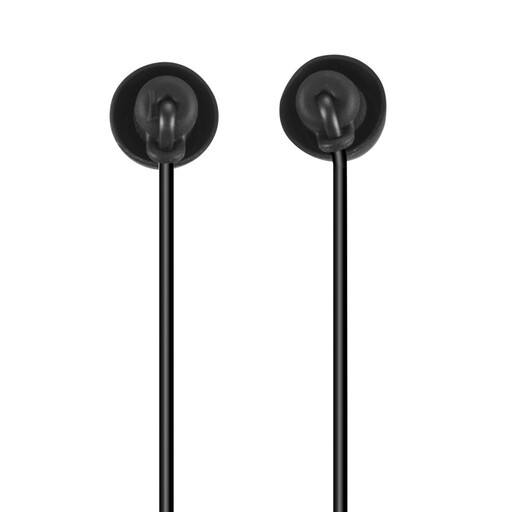
Calm USB-C in-ear headphones with microphone
Could be a good fit if you prefer wired listening and your device supports USB-C audio output.
The description lists extra-small silicone eartips, an in-line remote and a weight of 10 g. The manufacturer describes the fit of the eartips as providing passive noise reduction.
View at Joybuy
 No image available
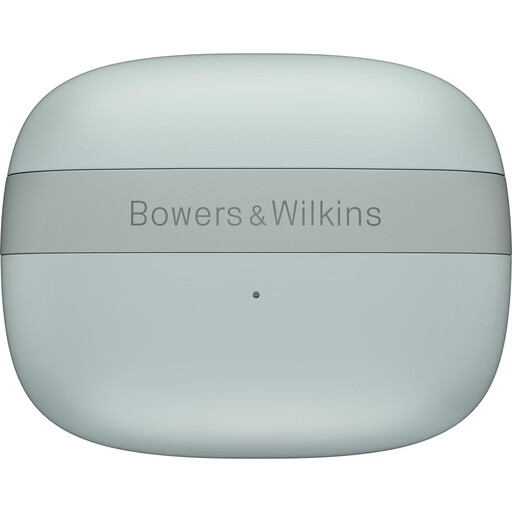
Bowers & Wilkins Pi6 true wireless in-ear headphones
Could be worth considering as a wireless travel option if you’re looking for ANC and a choice of eartip sizes.
The description lists ANC, a closed design and four eartip sizes. The product title lists 12 mm drivers, Bluetooth 5.4 and up to 8 hours of battery life. The battery needs to be charged before use.
View at Joybuy
 No image available
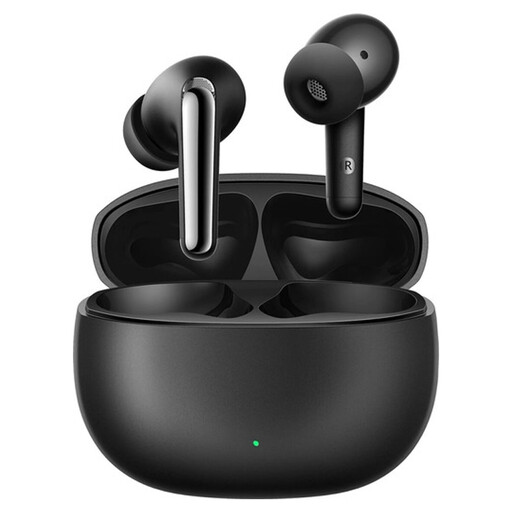
JOYROOM Funpods JR-FN1
Could be a good choice on the go if you want wireless controls, ANC and a transparency mode.
The description lists touch controls and up to 5 hours of playback with ANC. The battery needs to be charged before use.
View at Joybuy
 No image available
Samsung Galaxy Buds4 Pro true wireless, black
Could be an interesting wireless alternative if you want to switch between ANC and ambient sound mode.
The description lists touch controls and an adjustable equaliser. This doesn’t prove that the sound is tuned specifically for choral voices. The battery needs to be charged before use.
View at Joybuy
 No image available
HUAWEI FreeBuds Pro 4, black
Could be worth considering as a wireless travel option if you’re looking for ANC and adjustable eartips.
The description lists ANC, three sizes of silicone eartips and touch controls for the ANC modes. It quotes total battery life of up to 33 hours; the battery needs to be charged before use.
View at Joybuy
Frequently asked questions
Should I simply turn up the volume for quiet choral passages on the train?
Not as your first step. Check the fit and noise reduction first. The World Health Organization recommends well-fitting, noise-reducing headphones to reduce the temptation to turn up the volume in noisy surroundings. This doesn’t mean one particular volume setting is right for every device.
What can I do if the noise isolation or ANC is poor?
Try eartips that fit properly and check the fit on both sides. For the WF-1000XM6, Sony also recommends carefully cleaning the ventilation openings as instructed and checking the ANC setting; this advice applies to the model mentioned.
How can I avoid missing my stop when using noise-isolating in-ear headphones?
Pause the music for important announcements and check your travel information as well. Deutsche Bahn provides the latest updates and digital travel assistance; an ambient sound mode alone doesn’t guarantee you’ll hear every announcement.
What rights apply to online purchases in Germany?
Under EU consumer law, purchases from business sellers are generally covered by a minimum two-year legal guarantee from the date you receive the goods. Distance purchases generally come with a 14-day right to cancel, starting from delivery. Check for exceptions and any return postage costs before placing your order. A voluntary manufacturer’s warranty is separate.
Can I listen to music through in-ear headphones in the ICE quiet zone?
Deutsche Bahn says that listening to music loudly in the ICE quiet zone is not welcome, even when you’re using headphones. Make sure other passengers can’t hear your music. This guidance refers to the operator’s rules for the quiet zone.


