Picking out chords by ear
If you listen to sections of a song repeatedly, compare the sound signature and how clearly you can follow the notes, rather than assuming that more drivers will make chords easier to recognise.


If you’re repeatedly listening to chords in a shared bedroom, wired in-ear headphones with a comfortable, secure fit are an obvious choice, provided the connection is compatible with your playback device. Then compare the sound signatures if you want to pick out individual notes. Listening quietly through in-ears rather than speakers can help you be considerate, but neither noise-isolation figures nor any particular model can guarantee that you’ll recognise chords more easily or that no sound will be audible to others.
If you listen to sections of a song repeatedly, compare the sound signature and how clearly you can follow the notes, rather than assuming that more drivers will make chords easier to recognise.
If you want to listen to music through headphones rather than speakers, look for a snug, comfortable fit. Manufacturers’ noise-isolation figures don’t guarantee how much sound the other person in the room will hear.
For repeated listening, it’s important to find the right ear tips and a connection that works with your playback device. If possible, also check whether replacement parts are available for the specific model.
The percentages are approximate consumer guidance for choosing in-ear headphones to listen for chords in a shared bedroom; each figure represents the most important buying priority for that group.
| Priority | What to check | Who is this most important to? |
|---|---|---|
| Sound signature | Compare documented sound signatures and listen for yourself to familiar sections of songs. For slower playback, you’ll need a feature in your playback software; Audacity documents how to change the tempo without changing the pitch. | If I want to follow individual notes in a chord, I compare the sound signature rather than treating driver numbers as proof of performance. Around 33% of consumers put sound signature first. |
| Being considerate in your room | Check the available ear-tip sizes and find a fit that works for you; don’t treat the noise-isolation figure as a guarantee that little sound will escape. | If I want to listen quietly through headphones rather than speakers in a shared room, I pay attention to the fit and listening volume. Around 27% of consumers prioritise being considerate and noise isolation. |
| Comfort | Compare the sizes and materials of the included ear tips, and judge the fit for yourself. | For longer listening sessions, I want an ear tip that stays comfortable when I replay a track. Around 20% of consumers prioritise comfort. |
| Connection and replacement parts | Check the output on your playback device, the model’s plug and any replacement parts explicitly listed as compatible. Bluetooth latency may matter if you’re playing or recording at the same time; GEARNEWS advises against Bluetooth for live monitoring and recording in its buying guide. | If I want to connect in-ears to my device or replace a part later, I check the specific connections and replacement parts. Around 20% of consumers put connection and replacement parts first. |
Passive-isolation figures describe the reduction in sound at your ear. They don’t measure how much sound from your particular playback will be heard by the other person in the room.
Check the fit and start at a low volume. Don’t assume that a noise-isolation figure means the room will be completely quiet.
Slowing down a passage without changing its pitch is a feature of playback software, not a property of the in-ears themselves.
Before you buy, check whether your playback device or software offers this feature. Audacity documents how to change the tempo without changing the pitch.
The cable connection on the earpiece can vary by model; for example, the Audio-Technica ATH-E40 uses an A2DC connector.
Check both the plug for your playback device and the connection on the earpiece against the intended replacement cable.
Depending on your device, you may also need a compatible adapter or a model-specific replacement cable.
The wired SE215 comes with a choice of ear tips and a detachable cable.
The wired IE 100 PRO comes with silicone and foam ear tips.
The ER2SE and ER2XR are options for buyers who want to choose between the bass tunings described by the manufacturer.
The ATH-E40 is worth considering if you’re looking for several sizes of silicone ear tips and a detachable cable.
The wired DT 30 IE is an option if you want to take explicitly listed replacement parts into account.
This selection includes wired in-ears for repeated listening, as well as a true wireless option if you prefer to listen without a cable.
 No image available
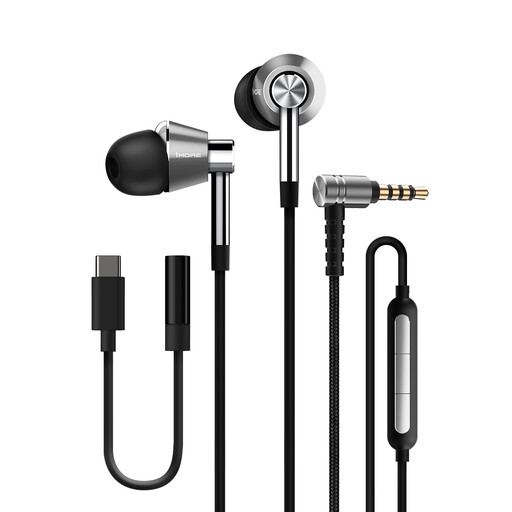
For repeated listening over a cable, if you’d like to adjust the fit using different ear tips.
The product description lists several silicone and foam ear tips, as well as separate driver ranges for vocals and high frequencies, and for bass and treble. This doesn’t prove that chords will be easier to recognise.
 No image available
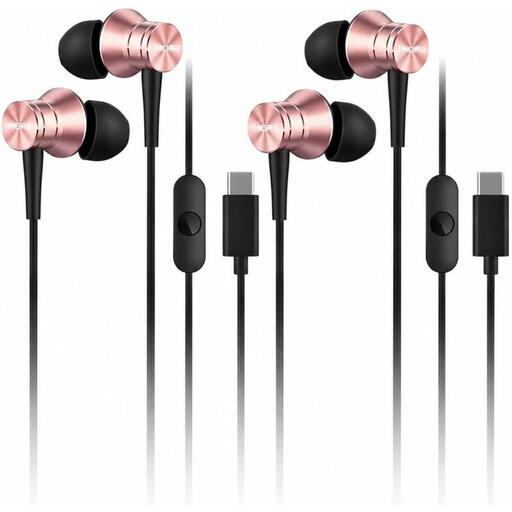
For listening to music over a cable, if your device has a compatible Type-C connection.
The product description lists additional silicone ear tips, an in-line control and a metal housing.
 No image available
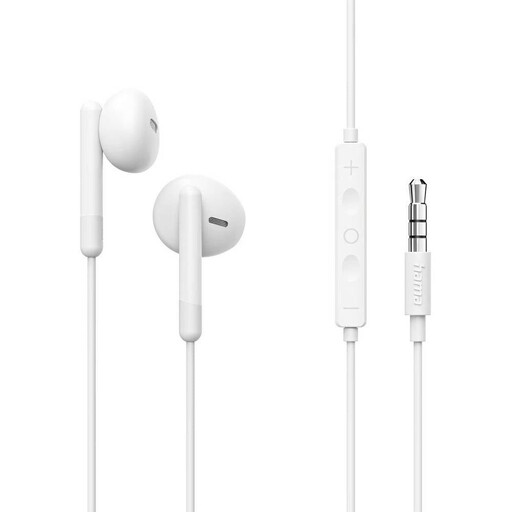
For wired listening, provided your playback device has a compatible 3.5 mm headphone output.
The product description lists a 1.2 m cable, an integrated remote control with microphone and a choice of ear-tip sizes.
 No image available
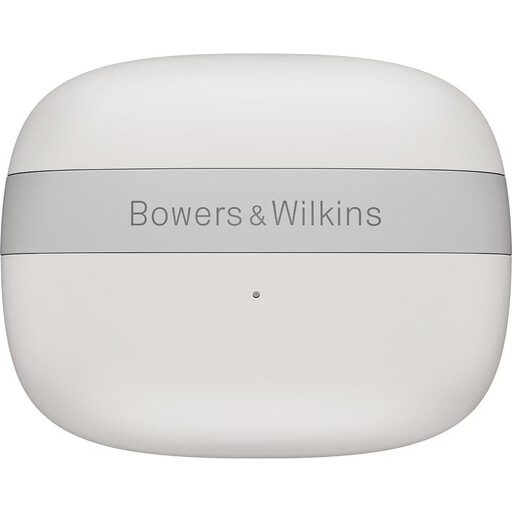
For listening to songs without a cable, if you prefer a true wireless design.
The product description lists Bluetooth 5.4, active noise cancellation, four interchangeable ear tips and up to 8 hours of battery life.
 No image available
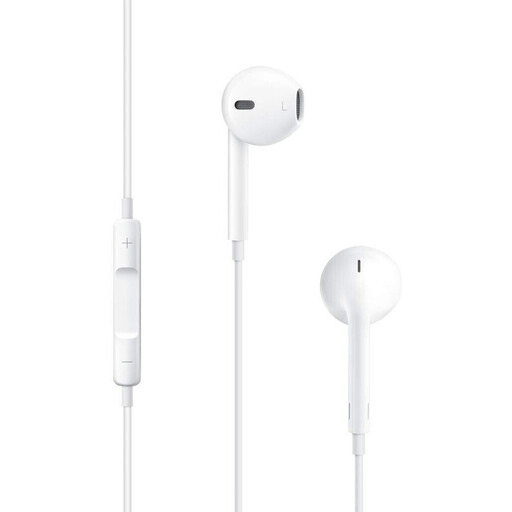
For listening to music and watching videos over a cable, provided your device has a compatible 3.5 mm jack.
The product description lists an integrated in-line remote for playback and volume control.
No. An in-ear monitor plays audio, but it doesn’t automatically identify chords. To listen to short passages more slowly, you’ll need the relevant feature in your playback software; Audacity documents how to change the tempo without changing the pitch.
Start quietly, and don’t turn the volume up just to drown out noise in the room. The World Health Organization explains that volume, listening duration and how often you’re exposed all affect the risk; its guidance isn’t an individually measured safety certification for your headphones.
Sennheiser recommends using a soft, dry cloth for the IE PRO series and keeping liquids and cleaning products away from the electronics. For removable ear tips, also follow the instructions for the specific model.
For a distance purchase from a business seller, you generally have a 14-day right to cancel from the date of delivery. Check for exceptions and any return costs before buying, as explained by Your Europe. Your statutory rights if goods are faulty are separate from a voluntary manufacturer’s guarantee. The Verbraucherzentrale explains that the standard period is two years, with additional rules for sales contracts from 31 July 2026.