For focused listening and repeated practice, wired in-ear monitors are a straightforward choice if your device has a suitable connection and you don’t mind the cable. Wireless ANC earbuds may suit you better if freedom of movement matters more; in a quiet library, ANC isn’t automatically an advantage. Whichever you choose, a comfortable fit and a volume that won’t disturb others are important. Picking out chords still takes listening practice.
Which type of in-ear headphones suits you?
Chord pickers
You want to follow the bass line, other parts and chord changes in short sections of a song. Focused listening and transcription are part of the process; Berklee Online describes identifying chord progressions as a step-by-step listening and transcription exercise.
Quiet-library listeners
You want to listen to music without disturbing others or turning it up to drown out small background noises. Fit and seal matter more than an isolation rating alone: Shure points out that isolation depends, among other things, on your ear canal, ear tip and fit.
Long-session learners
You repeat passages for longer periods and need ear tips that remain comfortable over time. You can’t tell whether they’ll stay securely in place just from the manufacturer’s specifications; every ear is different.
What should you look for when choosing?
First, decide between wired and wireless. Then compare the fit, connection and listening volume at the library desk you’ll be using.
Wired, passively isolating in-ear headphones
A good fit if: you listen to sections of songs repeatedly on the same device and have a suitable headphone socket or adapter.
Things to consider: Isolation depends on your individual fit, and a cable may get in the way at a library desk.
Wireless in-ear headphones with ANC
A good fit if: freedom of movement and managing background noise matter more to you than a wired connection.
Things to consider: You’ll also need to keep an eye on the battery, pairing and controls. In a quiet library, ANC isn’t automatically essential.
| Consideration |
What to check when buying |
Who is this important for? |
| Following voices and chord changes |
Compare a familiar section of a song at a moderate volume. Etymotic describes the ER2SE as having a flat response and the ER2XR as having a bass-focused sound. |
If I want to follow the bass line and other parts step by step, what matters to me is how clearly I can pick them out. Around 33% of consumers say following chord changes is their main concern. |
| Fit, seal and considerate listening |
Try the available ear tip sizes and check at a moderate volume whether other people can hear what you’re listening to. According to Shure, isolation depends, among other things, on your ear canal, ear tip and fit. |
If small background noises distract me, I want a comfortable fit that won’t disturb others in the reading room. Around 27% of consumers say minimising disturbance when listening in the library is their main priority. |
| Comfort during longer listening sessions |
Compare the sizes and materials of the ear tips supplied with the specific model. An ear tip that initially feels snug may not remain comfortable over time. |
If I’m repeating passages for longer periods, I want the headphones to stay comfortable without having to keep adjusting them. Around 20% of consumers put long-term comfort first. |
| Connection and ease of use |
Check the socket on your device and whether you’ll need an adapter. With wireless models, remember to allow for pairing and charging. |
If I want to get started easily on my own device, the connection needs to suit how I’ll be listening. Around 20% of consumers prioritise connection and ease of use. |
Which mistakes should you avoid?
-
Assuming an isolation rating guarantees a secure fit or complete silence
Manufacturers’ isolation specifications can’t predict how well a pair of headphones will fit your ears. Strong isolation can also make announcements or someone speaking directly to you harder to hear.
Try the ear tips that fit you, start at a low volume and check how they work at the library desk you’ll be using. Remember to follow the library’s rules, too.
-
Expecting “flat” or “monitoring” to make chords easier to identify automatically
Sound profiles vary between models, but even a well-tuned pair of in-ear headphones won’t identify chords for you. Berklee Online describes working out chord progressions as a listening and transcription exercise.
Compare familiar sections of songs and see how clearly you can follow the bass line and other parts.
-
Overlooking the cable type, device connection and spare parts
A cable on your in-ear headphones doesn’t necessarily mean it has the right connection for your device. Detachable cables and compatible spare parts also vary by model.
Before buying, check the full model name, what’s included and the connection. You may need an adapter, depending on your device; compatible replacement ear tips or a spare cable may also be worth considering.
Which brands can help you narrow down your options?
Etymotic
The ER2SE and ER2XR are wired models with different bass profiles.
- Etymotic describes the ER2SE as having a flat response and the ER2XR as having a bass-focused sound.
- Neither the sound profile nor the manufacturer’s passive isolation rating guarantees a particular fit or makes chords easier to identify.
Shure
The SE215 is a wired option for anyone looking for a choice of ear tips and a detachable cable.
- Shure lists several ear tip sizes and a detachable 3.5 mm cable.
- According to Shure’s technical information, isolation and fit depend, among other things, on your ear canal and ear tip.
Sennheiser
The IE 100 PRO is part of a modular monitoring product range.
- Sennheiser lists a dynamic 10 mm driver and silicone and foam ear tips for the IE 100 PRO.
- The manufacturer’s descriptions of sound and comfort aren’t an independent assessment of how the headphones perform in a library.
Mackie
The MP-120 is a wired monitor supplied with several types of ear tips.
- Mackie lists foam, silicone and double-flange ear tips in three sizes each, along with a detachable MMCX cable.
- The manufacturer’s stated isolation rating doesn’t guarantee how the headphones will fit your ears.
Sony
The WF-1000XM5 is a wireless in-ear model with ANC.
- Sony lists active noise cancelling and isolating ear tips.
- That doesn’t prove they’ll help you pick out chords or offer an advantage in every quiet library.
Joybuy products for listening practice
This selection includes wired in-ear headphones and wireless models with ANC. For each model, check that the connection and controls suit your playback device and the library desk you’ll be using.
 No image available
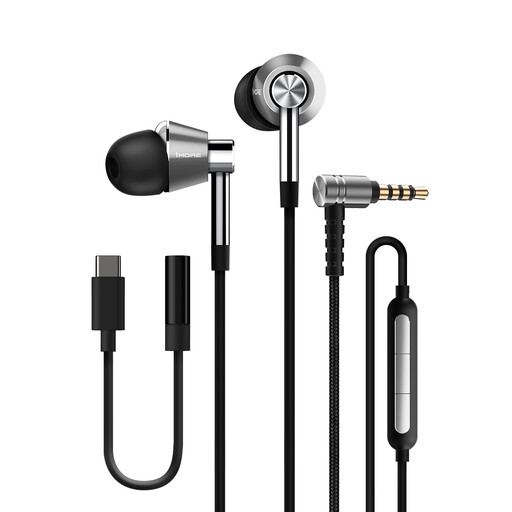
1MORE E1001 Triple Driver in-ear headphones, Silver
The wired design is a good fit if you want to replay sections of songs on a connected device.
Triple-driver design.
View at Joybuy
 No image available
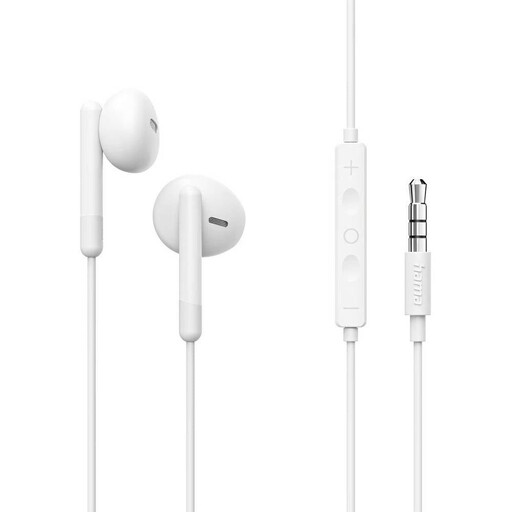
Noble wired in-ear headphones, 3.5 mm connection, White
A wired option if your playback device has a suitable connection and you’d rather listen without Bluetooth pairing.
3.5 mm connection; inline remote according to the product listing.
View at Joybuy
 No image available
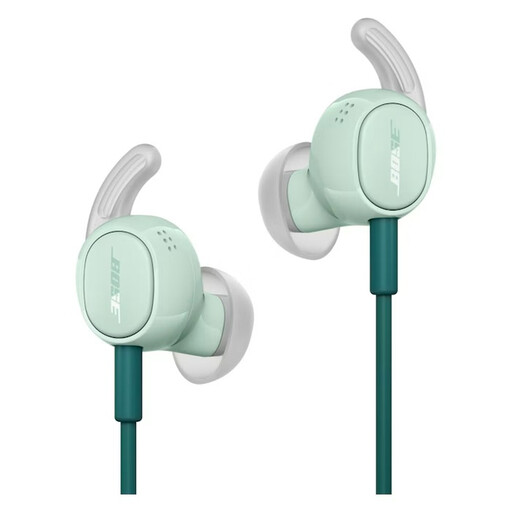
Bose Noise Cancelling Wired Earbuds, Dewdrop Mint
The wired option may suit you if you want ANC and your device supports the stated USB-C connection.
Wired; noise cancelling; USB-C. Check your device’s compatibility before buying.
View at Joybuy
 No image available
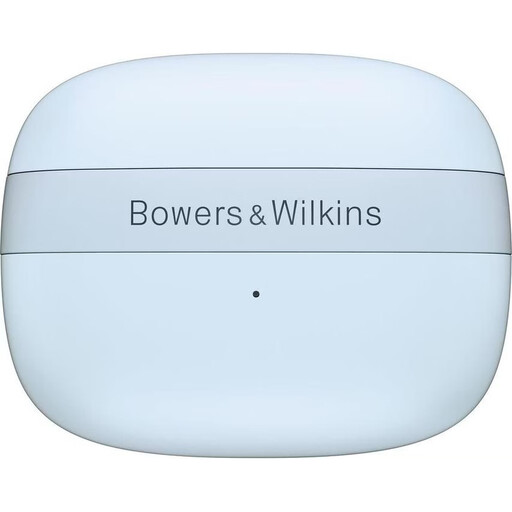
Bowers & Wilkins Pi6 True Wireless
A wireless option if you want freedom of movement and are happy to allow for charging and Bluetooth pairing.
12 mm drivers; Bluetooth 5.4; ANC.
View at Joybuy
 No image available
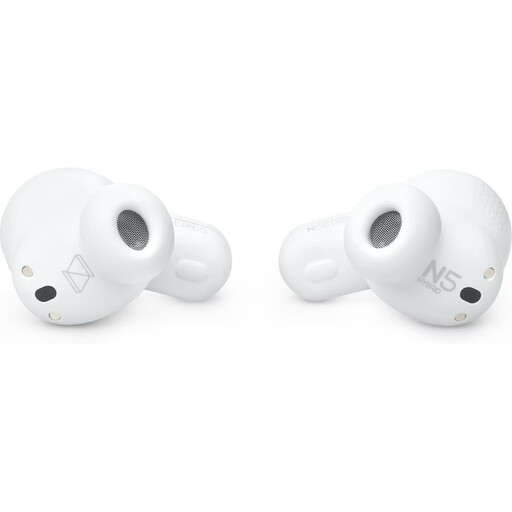
AKG N5 Hybrid True Wireless Earbuds, White
This wireless model may suit you if you want to choose between Bluetooth and the listed USB-C receiver.
Bluetooth 5.3; 2.4 GHz USB-C receiver; adaptive noise cancelling. The receiver requires a suitable USB-C connection.
View at Joybuy
Frequently asked questions
Can in-ear monitors identify chords for me?
No. The headphones play back the audio signal; Berklee Online describes working out chord progressions as a step-by-step process of listening and transcription. Practise with short sections of songs and follow the root note and other parts.
How should I fit and care for the ear tips?
Try the sizes and materials supplied until you find a comfortable, snug fit. Follow the instructions for your particular model when cleaning or replacing the tips. Mackie supplies several types of ear tips with the MP-120, while Shure includes a fit kit with the SE215.
What ongoing costs and returns policies should I check?
Check whether you’ll need a connection adapter or replacement ear tips or cable later on. The Verbraucherzentrale says that online orders generally have a 14-day cancellation period from delivery. Under certain conditions, § 312g BGB provides an exception for unsealed goods that are unsuitable for return for hygiene reasons. Whether it applies to a specific item depends on the circumstances.
How can I listen safely during repeated practice?
Start at a low volume, don’t try to compensate for a poor fit by turning the volume up, and take breaks. The World Health Organization notes that both volume and listening time affect the level of exposure.


