Who are the different types of in-ear headphones suitable for?

For anyone who wants to pick out chords by ear

If you listen to the same parts of a song repeatedly, look for a secure fit and a sound profile that makes it easy for you to compare individual notes. This is separate from ear training: a study in the Journal of the Association for Research in Otolaryngology looked at learning to distinguish pitches, not at recognising chords with specific in-ear headphones on a train.

For anyone who wants to reduce train noise

If the noise of the train tempts you to turn up your music, you can compare passive isolation and ANC as two different ways to tackle it. The World Health Organization recommends well-fitting or noise-cancelling headphones to reduce the need for higher volumes in noisy environments.

For anyone who wants to listen comfortably on longer journeys

If you’re travelling for longer, your headphones should remain comfortable throughout your usual listening time. With strong noise isolation, it’s also important to stay aware of announcements and your surroundings. Deutsche Bahn notes that loud music, including through headphones, is not welcome in its ICE quiet zones.

What should you look for when buying?

Wired in-ear headphones with passive isolation

A good fit if: you want to listen to the same parts of songs repeatedly, don’t mind a cable and prefer a secure fit.

Trade-off: How much noise they block depends on the fit. Announcements may be harder to hear, and a cable can get in the way while you’re travelling.

Wireless in-ear headphones with ANC

A good fit if: reducing train noise and enjoying freedom of movement are priorities for you, and you can charge the battery regularly.

Trade-off: ANC doesn’t automatically make in-ear headphones more accurate for monitoring chords. Battery life and ambient mode vary by model.

What matters when buying What to check Who is it important to?
Reducing train noise Fit and ear tip sizes; with ANC models, also check ambient mode and the volume on the train. If I want to reduce train noise without continually turning up the volume, I compare fit and noise isolation. Around 34 % of consumers prioritise noise reduction.
Distinguishing chord notes Compare familiar parts of songs at the same moderate volume, using different sound profiles. If I want to pick out chords by ear, it matters to me that I can follow individual notes when listening repeatedly. Around 33 % of consumers prioritise distinguishing chord notes.
Fit and listening time Try different ear tips and assess the fit over your usual listening time; remain aware of announcements. On longer journeys, I want a comfortable, secure fit without losing awareness of my surroundings. Around 20 % of consumers prioritise fit for extended use.
Connection and power Check that the audio output and connector type are compatible; for wireless models, check charging requirements, and for wired models, check that suitable replacement parts are available. When I want to listen on the go, my in-ear headphones need to work with my audio source and be easy to power or maintain day to day. Around 13 % of consumers prioritise connectivity and maintenance.

Common misconceptions

  • Assuming a high noise-isolation rating guarantees the same performance for your ears

    Manufacturer figures don’t automatically show how well earphones will block out noise for every person or in every train environment.

    Check the fit first and try the ear tip sizes supplied with the model before turning up the volume or choosing a different pair.

  • Assuming ANC or ‘monitoring’ guarantees chord recognition

    Noise cancellation and sound descriptions don’t prove that earphones can recognise chords in a song or make it easier to pick them out on a train.

    Compare familiar parts of songs at a moderate volume, and treat ear training as a separate activity.

  • Overlooking audio connections and model-specific cables

    Connecting to your audio source and checking the connector on a detachable cable are two separate compatibility considerations.

    Check that your device’s audio output matches the connection on the model, and make sure any adapter you need or a suitable replacement cable is available.

    You may need to buy an additional adapter or a replacement cable made for your model.

  • Simply turning up the volume to drown out train noise

    Volume and listening time affect your hearing. According to Deutsche Bahn, loud music, including through headphones, is also not welcome in ICE quiet zones.

    Make sure your headphones fit well, consider ANC if you need it, and stay alert for announcements rather than turning up the volume just because of the train noise.

Brands to consider

Shure

The wired SE215 may appeal to buyers looking for passive isolation and a replaceable cable.

  • Shure lists different ear tip options, an MMCX cable and up to 37 dB of environmental noise reduction for the SE215.
  • The noise-reduction figure comes from the manufacturer and depends on the fit. SoundGuys describes the SE215 as offering good isolation but less prominent upper frequencies; this doesn’t necessarily apply to other Shure models.

Sennheiser

The IE 200 is a wired option, while the IE 100 PRO is part of a separate monitoring range.

  • According to Sennheiser’s product page, the IE 200 has ear hooks, a choice of ear tips, an MMCX cable and a 3.5 mm plug. The manufacturer describes its sound profile as balanced.
  • The manufacturer’s sound descriptions don’t prove better chord recognition. Features of the IE 100 PRO can’t automatically be applied to the IE 200.

Etymotic

The ER2SE is aimed at buyers considering a flatter sound profile and passive isolation.

  • Etymotic gives the ER2SE a passive noise-isolation rating of 35–42 dB and says its cable can be replaced.
  • The isolation rating doesn’t measure how well the earphones fit you. In particular, check that the fit needed for effective isolation feels comfortable.

Audio-Technica

The wired ATH-E40 may suit buyers who want to adjust the fit using different ear tip sizes.

  • Audio-Technica lists four silicone ear tip sizes, a detachable 1.6-m cable with A2DC connectors and a 3.5 mm connection.
  • A replacement cable must be compatible with the A2DC connection and the model. The manufacturer’s claims about sound and isolation don’t test your ability to recognise chords.

Sony

The WF-1000XM5 is a wireless ANC option for travel, but there’s no evidence that it’s a more accurate chord monitor.

  • Sony lists ANC and an ambient mode for this model. The specifications give a maximum music playback time of 8 hours with noise cancelling switched on.
  • The stated battery life isn’t guaranteed for every type of use. ANC and ambient mode don’t prove a better ability to pick out chords.

Wireless in-ear headphones at Joybuy

The Joybuy products below are wireless in-ear headphones with listed noise-reduction or sound-adjustment features. Check the details for each model to see what ANC is designed for and which features suit the way you listen.
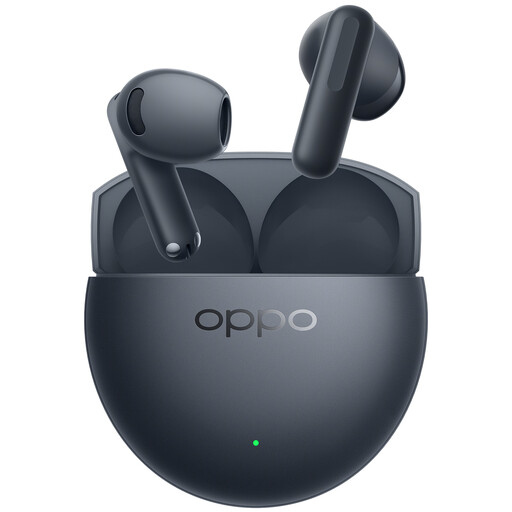
OPPO Enco Air5s earbuds in Midnight Black

OPPO Enco Air5s, Midnight Black

A wireless option if you want to compare ANC and customisable sound profiles.

Product details list ANC and a 10-band equaliser.

View at Joybuy
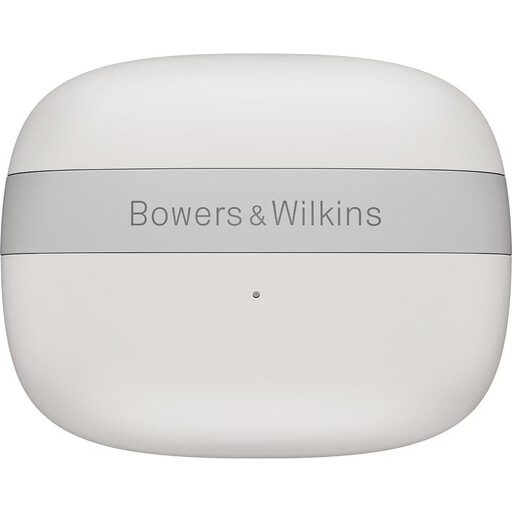
Bowers & Wilkins Pi6 true wireless in-ear headphones

Bowers & Wilkins Pi6

A wireless option if ANC and a choice of ear tips are important for getting the right fit.

Product details list ANC, four sizes of replaceable ear tips, a 12-mm driver, Bluetooth 5.4 and IP54.

View at Joybuy
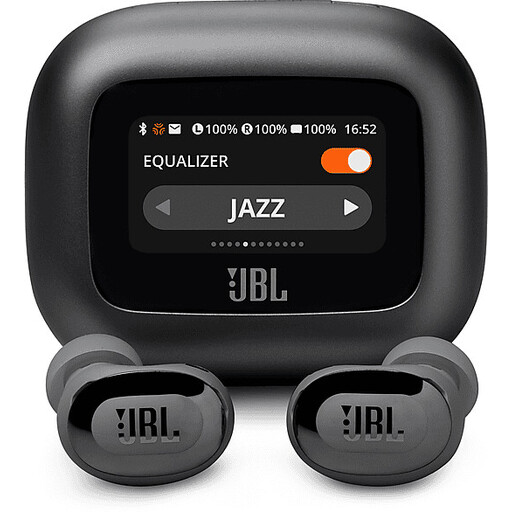
JBL LIVE BUDS 3 true wireless noise-cancelling earbuds in Black

JBL LIVE BUDS 3, Black

A wireless option if you want to compare ANC, different ear tip sizes and multi-device connectivity.

Product details list a 10-mm driver, Multipoint, three ear tip sizes and up to 10 hours of playback per charge.

View at Joybuy
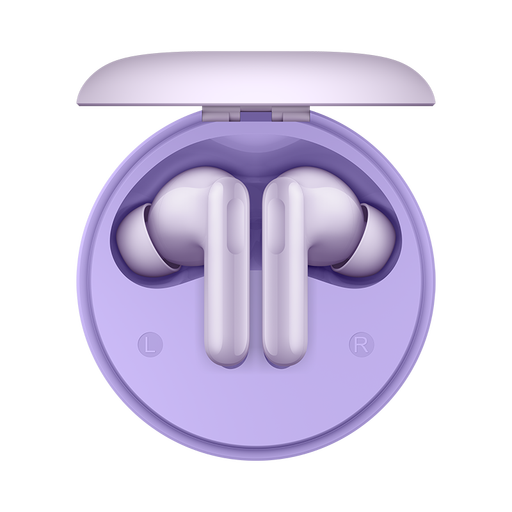
HONOR Earbuds A Pro in Black

HONOR Earbuds A Pro, Black

A wireless option if you want to compare ANC and the stated battery life with the charging case.

The product title lists a 12.4-mm driver and 49 dB ANC; the product description gives up to 42 hours of battery life with the charging case.

View at Joybuy
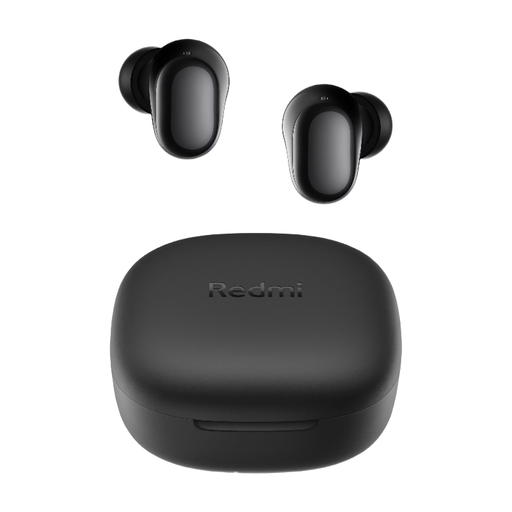
Redmi Buds 6 Play in-ear headphones in Black

Redmi Buds 6 Play, Black

A wireless option if you want to check sound profiles and battery life for listening on the go.

Product details list four EQ settings, Bluetooth 5.4 and a 10-mm driver. According to the description, playback lasts up to 7.5 hours per charge and up to 36 hours with the charging case; noise cancellation is specified for calls.

View at Joybuy

Frequently asked questions

Can an in-ear monitor automatically show you the chords in a song?

The listed headphone features don’t prove that they can display chords automatically. When picking out chords by ear, you have to compare the notes yourself; a study on pitch discrimination looked at training, not these models on a train.

Is passive isolation or ANC better on the train?

It depends on whether you prefer well-fitting wired in-ear headphones or wireless noise cancelling. Passive isolation depends heavily on the ear tips and fit; ANC varies by model and situation, and doesn’t automatically make a device a more accurate chord monitor. Either way, stay alert for announcements and keep the volume moderate.

How can I find the right fit and keep my earphones clean?

Try the ear tips supplied with your model until both earpieces feel comfortable and secure. If a Shure earphone gets quieter over time, Shure recommends checking the sound outlet for debris with a suitable tool rather than simply turning up the volume.

Can I listen to music through in-ear headphones in an ICE quiet zone?

Deutsche Bahn doesn’t impose a blanket ban on headphones in ICE quiet zones, but notes that loud music, including through headphones, is not welcome there. This operator guidance applies to ICE quiet zones and is not a single rule of law for all German rail services.