Joybuy products for coach journeys
This selection of in-ear headphones includes wired models for connecting to a compatible device, as well as wireless options with ANC for listening on the go. Fit, connection and the ability to pause playback for announcements remain key considerations.
 No image available
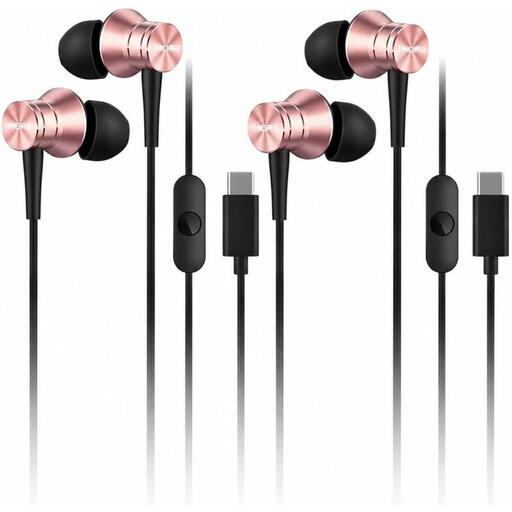
1MORE Piston Wired Earphones Type-C Version Pink
For listening to sections of songs repeatedly, if your device has a compatible USB-C audio output.
USB-C cable connection and in-line remote; the product description describes the sound as balanced. A compatible USB-C audio output is required.
View at Joybuy
 No image available
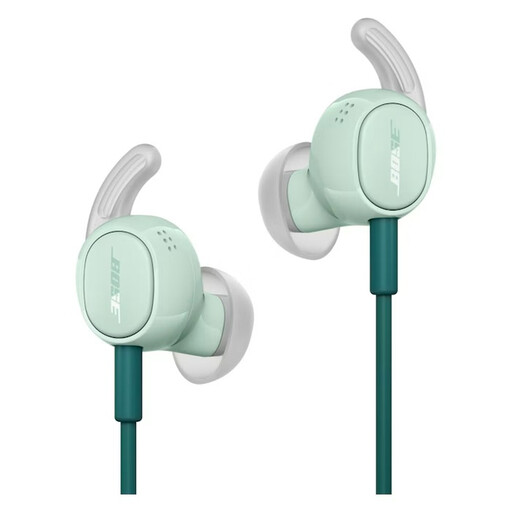
Bose Noise Cancelling Wired Earbuds, Dewdrop Mint
For wired listening without the need to charge, if your device is compatible with USB-C audio.
USB-C connection, three listening modes including Awareness mode, physical play and pause button, and ear tips in three sizes. The supplied connection cable and a compatible USB-C device are required.
View at Joybuy
 No image available
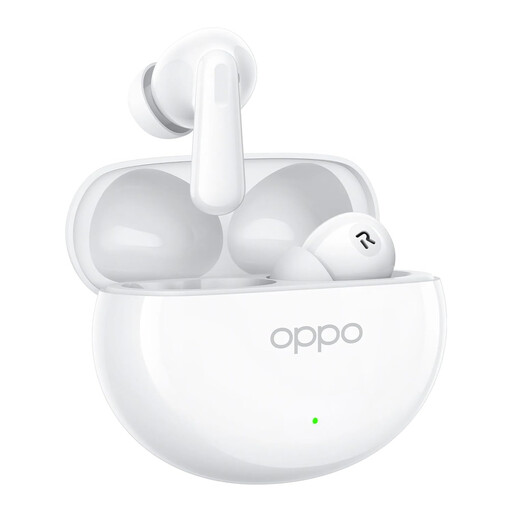
OPPO Enco X4 True Wireless, Glacier White
For wireless listening if you want to use ANC and transparency mode and are happy to plan for charging.
Bluetooth 5.4, ANC, transparency mode and touch controls. Up to 43 hours of total playback with the charging case is specified; this figure includes the charging case.
View at Joybuy
 No image available
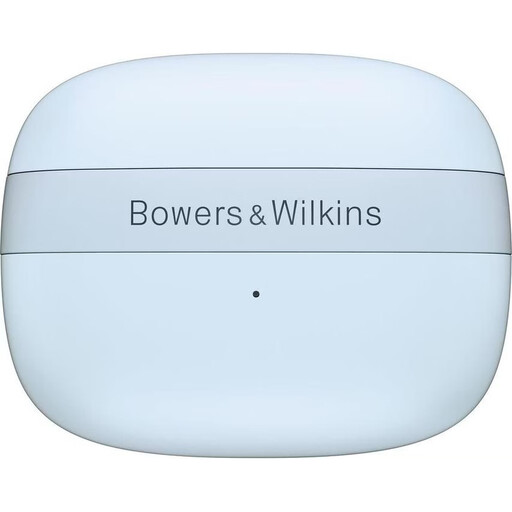
Bowers & Wilkins Pi6 True Wireless in-ear headphones
For wireless listening with ANC, if you’d also like to compare the fit of different ear tip sizes before your journey.
Bluetooth 5.4, ANC and four sizes of interchangeable ear tips. Up to 8 hours of playback per charge is specified; wireless use requires charging.
View at Joybuy
 No image available
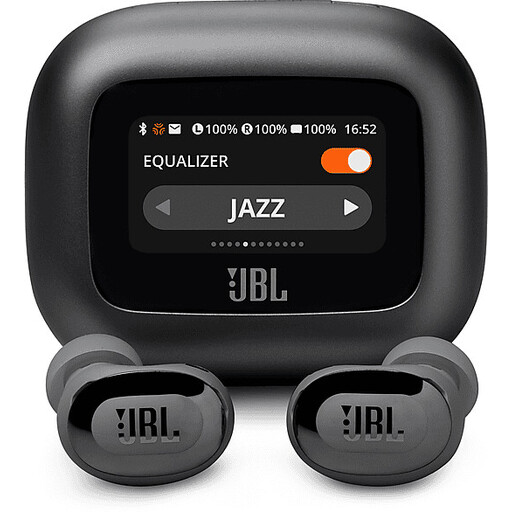
JBL Live Buds 3 True Wireless, Black
For wireless listening with ANC and the option to control music playback while you’re on the go.
True Adaptive ANC and three ear tip sizes. Up to 8 hours of playback with ANC per charge and up to 40 hours in total with the charging case are specified; remember to allow for the case if you’re listening for longer.
View at Joybuy
Frequently asked questions
Can in-ear headphones identify a song’s chords automatically?
The product information for the in-ear headphones covered here doesn’t state that they can identify chords automatically. Berklee Online describes focused listening and transcription as skills that can be learnt, so listening to a section repeatedly and comparing what you hear remains part of the process.
How should I set up in-ear headphones for a coach journey?
Try the supplied ear tip sizes and make sure you have a comfortable, secure fit. Before setting off, check the connection or battery level, and practise pausing playback for announcements or switching on any ambient mode. Follow the instructions for your particular model when cleaning it or changing the ear tips.
Should I turn the volume up if the engine drowns out the song?
Don’t automatically turn it up: the World Health Organization recommends well-fitting, noise-reducing headphones to reduce the need to raise the volume in noisy environments, and advises keeping the volume down and taking listening breaks. This is health advice, not a legal volume limit for coach journeys.
What are my rights regarding returns and guarantees for in-ear headphones in Germany?
Distance contracts generally come with a right to cancel under § 312g BGB. One statutory exception applies to sealed goods that are unsuitable for return for health protection or hygiene reasons if the seal has been removed after delivery; whether a specific product falls into this category cannot be determined from the term ‘in-ear’ alone. The Verbraucherzentrale also distinguishes between the statutory legal guarantee against the retailer and a voluntary manufacturer’s guarantee.
What should I look for to check that wireless in-ear headphones comply with regulations?
For Bluetooth products, the Bundesnetzagentur recommends checking, among other things, that the CE mark is correct and that manufacturer and product information is provided. According to the European Union, the manufacturer uses the CE mark to declare that the product meets the relevant EU requirements; it is not an independent sound or ANC quality mark. This does not establish whether a particular offer complies with the regulations.


