Who are the different types of in-ear headphones for?

Listeners comparing recordings

If you listen repeatedly to the same quiet and loud orchestral passages, a consistent fit and unchanged settings can help you avoid mistaking differences between recordings for changes in playback. Etymotic and RTINGS describe aspects of sound profile and eartip positioning that matter when making these comparisons.

Coach travellers sensitive to noise

If traffic noise drowns out quieter passages, a comfortable, secure fit and a sensible listening volume matter. Shure describes different eartips, while the World Health Organization recommends well-fitting, noise-reducing headphones to reduce the need to turn up the volume.

Travellers in changing listening situations

If you want to listen to music during the journey but still hear announcements from time to time, consider the controls, connection and, where relevant, battery life. Sennheiser and Sony describe a range of wired and wireless options, with different connection and ambient sound features.

What should you look for when buying?

Wired in-ear headphones with passive noise isolation

A good fit if: You want to compare familiar passages with the most consistent fit and playback settings possible, and your device has the right connection.

Bear in mind: The cable stays connected while you listen; strong passive isolation can make announcements harder to hear. Actual noise isolation depends on the fit.

Wireless in-ear headphones with ANC and ambient mode

A good fit if: You want to listen without a cable and switch between noise cancelling and hearing what’s around you when needed. Sony describes these features on the WF-1000XM6.

Bear in mind: You’ll need to charge the battery and keep the listening mode and sound settings consistent when comparing recordings. Sony quotes up to 8 hours of music playback with Noise Cancelling switched on for the WF-1000XM6; actual battery life depends on how you use it.

What matters when buying What to look for Who is it important to?
Consistent sound balance Check the sound profile of the specific model and compare familiar passages at the same volume, with the same fit and unchanged settings. When I compare the same orchestral passages, I don’t want to mistake differences between recordings for a different sound profile or a changing fit. That’s why around 36 % of consumers focus primarily on a consistent sound balance.
Blocking out traffic noise Try different eartips to find a secure fit, and check whether you can still hear announcements. If I want to hear quiet passages despite the noise on the coach without turning the volume up just for that reason, noise isolation is essential to me. Around 29 % of consumers prioritise blocking out traffic noise.
Comfort and listening volume Compare eartip sizes and materials over a listening session of your usual length, and listen at a moderate volume. On a longer journey, I want in-ear headphones that feel comfortable without having to turn the volume up unnecessarily. Around 21 % of consumers focus on comfort and keeping listening volume under control.
Connection, battery life and announcements For wired models, check your device’s connection; for wireless models, plan your journey around the quoted battery life and test the ambient mode. If I listen to music on the go and want to catch announcements from time to time, the connection or battery life and how to use ambient mode matter to me. Around 14 % of consumers prioritise these practical features.

Which buying mistakes should you avoid?

  • Treating manufacturers’ noise-isolation figures as a personal guarantee

    Passive noise-isolation figures describe a model, not how it will fit in your ear. An eartip that doesn’t seal properly or feels uncomfortable can make quiet passages hard to hear, even if the quoted isolation figure is high.

    Try different eartips and assess the fit on a journey similar to one you’d typically take before making a noise-isolation figure the deciding factor in your purchase.

  • Assuming more bass makes differences between recordings easier to hear

    Etymotic describes the ER2SE as having a flat sound profile and the ER2XR as having more bass. Preferring one sound does not mean it will help you judge differences between recordings more accurately.

    Compare familiar passages at the same volume and with unchanged settings. Then decide whether you prefer a more restrained sound profile or one that deliberately emphasises the bass.

  • Leaving connection or charging checks until you’re on the coach

    A wired model needs a compatible connection on your playback device. A wireless model has a limited battery life, as stated by the manufacturer; Sony quotes up to 8 hours with Noise Cancelling switched on for the WF-1000XM6.

    Check the connection before you buy. If you’re choosing wireless in-ear headphones, plan your listening time and make sure you can charge them before your journey.

Key brands at a glance

Etymotic

Etymotic says its wired ER2SE and ER2XR differ in their sound profiles, with the former flatter and the latter placing more emphasis on bass.

  • Etymotic quotes 35–42 dB of passive noise isolation for the ER2SE and says it has a replaceable cable.
  • The quoted noise-isolation figure isn’t a personal measurement; you’ll need to judge the fit and comfort for yourself.

Sennheiser

The wired IE 200 has a 3.5 mm connection and comes with a choice of eartips.

  • Sennheiser describes its sound profile as balanced. Independent testing by RTINGS notes that the position of the eartips can affect the bass.
  • This model doesn’t have ANC. Keep the eartips in the same position when making repeated comparisons.

Shure

The wired SE215 comes with a choice of eartips and a detachable cable.

  • Shure quotes a reduction in ambient noise of up to 37 dB for the SE215.
  • The quoted noise-isolation figure and the powerful bass response described by Shure are no guarantee of a personal fit or neutral sound reproduction.

Sony

The wireless WF-1000XM6 offers ANC and features that let you hear your surroundings.

  • Sony lists Ambient Sound, Quick Attention and up to 8 hours of music playback with ANC switched on.
  • The battery needs charging, and the quoted battery life isn’t guaranteed for every use.

Joybuy products for travel

The products below are wireless in-ear headphones for travel. Features, choice of eartips and quoted battery life vary by model.
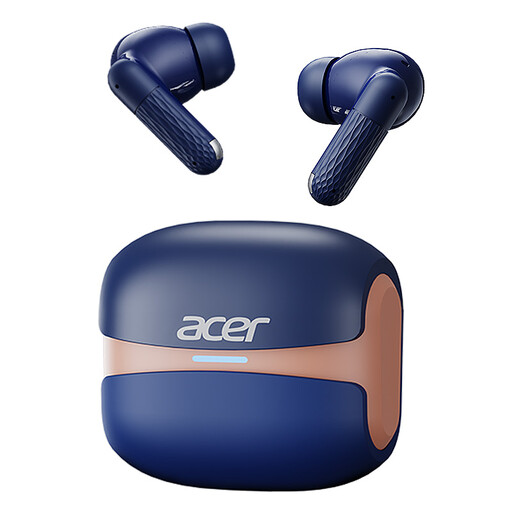
Acer OHR548 wireless in-ear headphones

Acer OHR548, wireless in-ear headphones

A wireless option for travel if you prefer touch controls.

Bluetooth 5.4; HIFI high-definition decoding; 3D surround sound; touch controls; Type-C charging case.

View at Joybuy
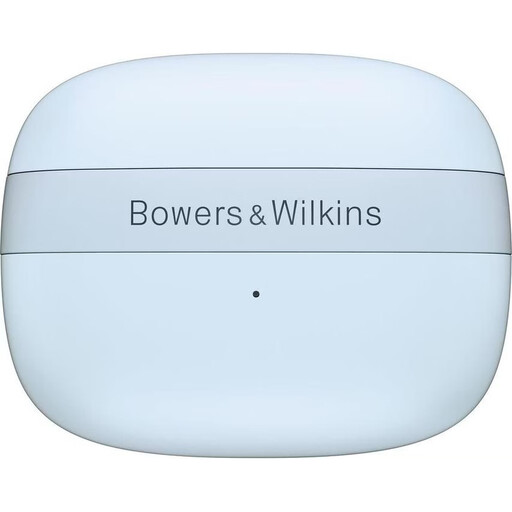
Bowers & Wilkins Pi6 True Wireless in-ear headphones

Bowers & Wilkins Pi6 True Wireless

A wireless option with ANC if you want to reduce traffic noise.

Active Noise Cancelling; four interchangeable eartips; quoted battery life of up to 8 hours; USB-C charging.

View at Joybuy
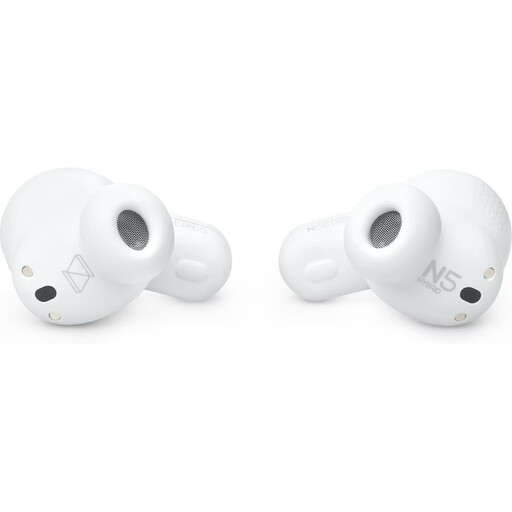
AKG N5 Hybrid True Wireless earbuds

AKG N5 Hybrid True Wireless

A wireless option with ANC and adjustable transparency for ambient noise.

Bluetooth 5.3; spatial audio playback; four eartip sizes; quoted battery life of up to 6 hours.

View at Joybuy
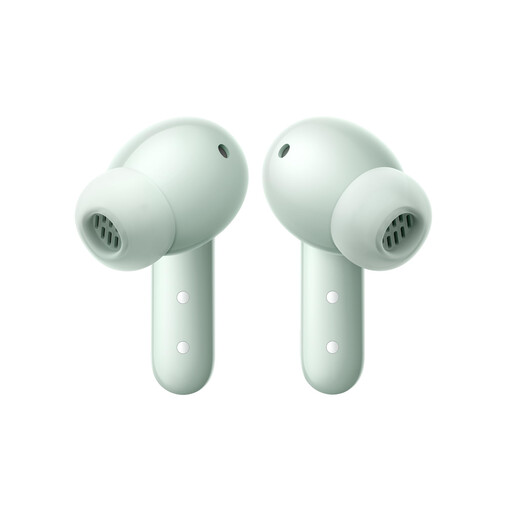
CMF Buds 2 wireless earbuds

CMF Buds 2

A wireless option with Active Noise Cancellation for travel.

Bluetooth 5.4; dynamic 11 mm drivers; IP55; quoted battery life of up to 7.5 hours.

View at Joybuy
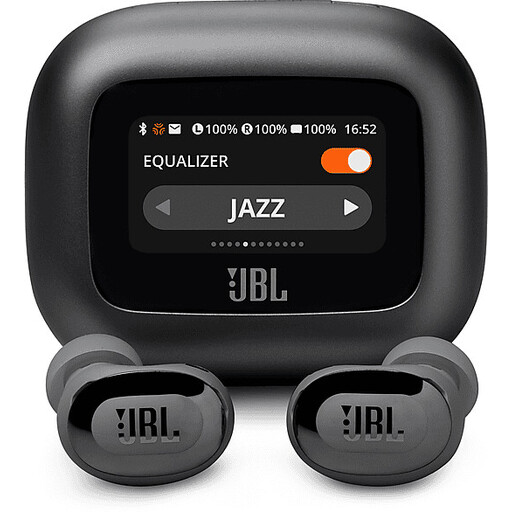
JBL LIVE BUDS 3 True Wireless NC earbuds

JBL LIVE BUDS 3 True Wireless

A wireless option with noise cancelling for longer listening sessions on the go.

Adaptive noise cancelling; three eartip sizes; up to 10 hours of playback per charge and up to 40 hours with the charging case.

View at Joybuy

Frequently asked questions

How can I compare two recordings as fairly as possible while travelling?

Listen to the same passages with the same fit and volume, and keep the sound and noise modes unchanged. According to independent testing by RTINGS, even the position of the eartips on the Sennheiser IE 200 can affect the bass; the coach environment is another factor to consider.

How should I set up my in-ear headphones for a longer journey?

Try different eartip sizes and materials to find a secure, comfortable fit. Before setting off, check the connection on a wired model, or the battery level and ambient mode controls on a wireless one. Listen at a moderate volume and take breaks.

How loud should I listen to quiet orchestral passages?

Don’t turn the volume up just because of traffic noise. The World Health Organization recommends no more than 80 dB for up to 40 hours a week for adults, and four hours at 90 dB; volume and listening time both matter. Well-fitting, noise-reducing headphones can help you keep the volume lower.

What are my rights if an in-ear headphone is faulty when I buy it online?

When you buy from a trader in the EU, you’re generally entitled to a minimum two-year legal guarantee from the seller covering faulty goods; an additional manufacturer’s warranty doesn’t replace it. For a standard online distance purchase, you also generally have a 14-day right to cancel from the date of delivery. Check the rules and any return costs that apply to your specific purchase.

Can worn-out wireless in-ear headphones go in household rubbish?

No. The German Environment Agency explains that waste electrical equipment must be collected separately from unsorted household waste. Take worn-out in-ear headphones to a separate collection point.