For anyone listening closely to dialect recordings
If you play sections repeatedly, you’ll want to assess the details of the speech rather than treating a particular sound claim as proof of improved clarity.


For repeatedly comparing speech details, a well-fitting wired in-ear headphone is a sensible starting point, provided its connector is compatible with your playback device. Test its sound with a recording you know well: a sound profile advertised as balanced is no proof that it will make dialects easier to understand. If conversations in the room are distracting, what matters is how the headphones fit your ears. A wireless model with ambient mode may be an option if you want more freedom to move or to hear your surroundings from time to time, but it will need charging regularly.
If you play sections repeatedly, you’ll want to assess the details of the speech rather than treating a particular sound claim as proof of improved clarity.
If you want to listen to recordings without speakers in the room, conversations nearby shouldn’t force you to keep turning up the volume. Fit and isolation are important things to consider.
For longer listening sessions, a comfortable fit without charging breaks can be important. If you move around while listening or want to hear your surroundings from time to time, a wireless model with ambient mode may also be an option.
First, compare a familiar passage of dialect at a moderate volume. Then check whether the fit, isolation and connection suit the way you listen.
| Priority | What to look for when buying | Who it matters most to |
|---|---|---|
| Speech details | Use the same familiar recording and playback device for your listening comparison. | When I compare regional expressions repeatedly, I want to assess the nuances in the recording rather than rely on sound claims. Around 33% of consumers put speech details at the top of their list of buying priorities. |
| Isolation | Try different ear tips to see whether they reduce distracting noise sufficiently without blocking out the awareness of your surroundings you need. | If conversations in the room distract me while I’m listening, I want to follow quiet passages without having to turn the volume up. Around 27% of consumers put isolation first. |
| Comfort | Try the available ear tip sizes and see how the headphones feel over the length of a typical listening session. | For long or frequent listening sessions, a comfortable fit matters more to me than a particular description of the sound. Around 20% of consumers prioritise comfort. |
| Connection and listening style | Check the audio output, connector and, if necessary, adapter. For Bluetooth, also consider device compatibility and charging requirements. | If I want to move around while listening or use a device I already own, the connection needs to suit the way I listen. For around 20% of consumers, connectivity and freedom of movement come first. |
Shure and Etymotic quote figures for different models. These don’t show that the headphones will fit you in the same way, or allow for a direct comparison of clarity in your own ears.
Try the available ear tips and check comfort and isolation with a recording of your own.
Studies by the German Federal Institute for Occupational Safety and Health (BAuA) on headphones in 2019/2020 found no evidence that ANC has particular potential for suppressing speech in the surroundings. The results were not a test of any specific current model.
Assess distracting noise and how much you need to hear your surroundings separately. Don’t rely on ANC claims alone when listening to dialect recordings.
The Shure SE215 and Sennheiser IE 200 are described as having a 3.5 mm plug. Whether this fits your device’s audio output directly depends on the device.
Check your playback device’s output against the plug before you choose, and see whether you’ll need a suitable adapter.
According to Shure, build-up around the sound outlet can affect playback. The World Health Organization also highlights the importance of moderate volume and limiting exposure to sound.
First check the fit and make sure the headphones are clean. Clean them according to the manufacturer’s instructions rather than automatically turning up the volume.
The wired SE215 may be worth considering if replaceable ear tips, passive isolation and a detachable cable are important to you.
The wired IE 200 is an option if you’d like to compare a sound profile the manufacturer describes as balanced.
The ER2SE is a wired option to compare if you’d like to try a flat sound profile and strong passive isolation.
The DT 72 IE is a professional wired in-ear model that beyerdynamic has designed for guitar and vocals.
The wireless WF-1000XM5 is an alternative if you’d like to use ANC and ambient mode.
This selection includes wired USB-C in-ear headphones and wireless Bluetooth models. First check the audio output or device compatibility, then decide which listening style suits your everyday routine.
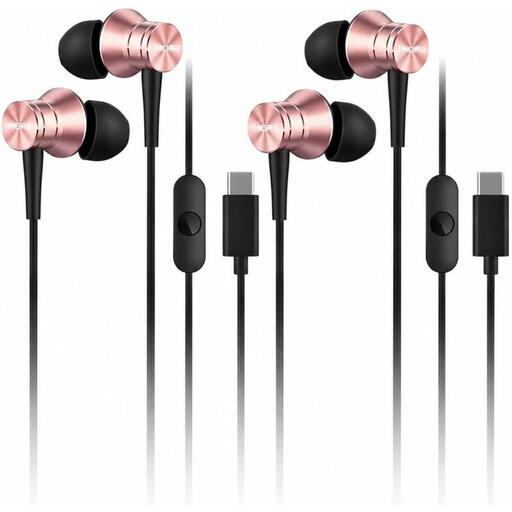 No image available
May suit you if you want to listen using a wired connection and try out extra ear tips.
USB-C connection; microphone; extra silicone ear tips. Requires a device with USB-C audio output.
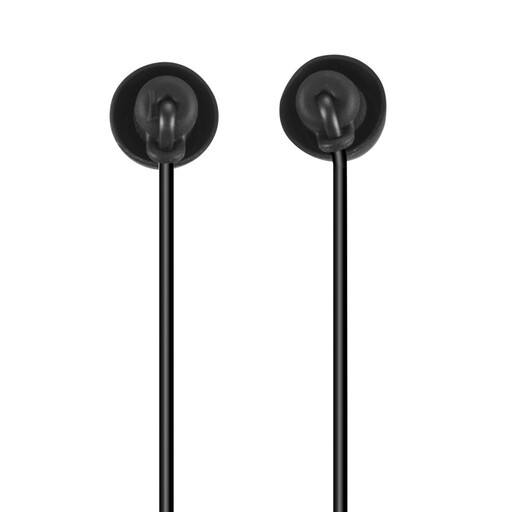 No image available
A wired option if you want to listen without pairing or having to charge the headphones.
USB-C connection; in-line remote and microphone; passive noise reduction through the fit. Requires a device with USB-C audio output.
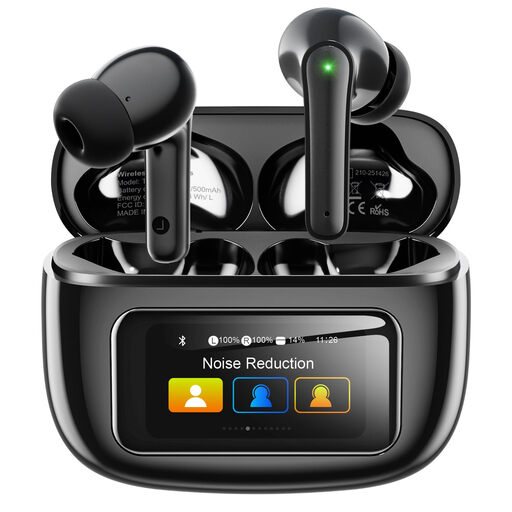 No image available
May be worth considering if you want to listen wirelessly and choose between the sound modes listed.
Bluetooth 5.4; ANC; five EQ modes; charging case. Requires a Bluetooth-enabled device and regular charging.
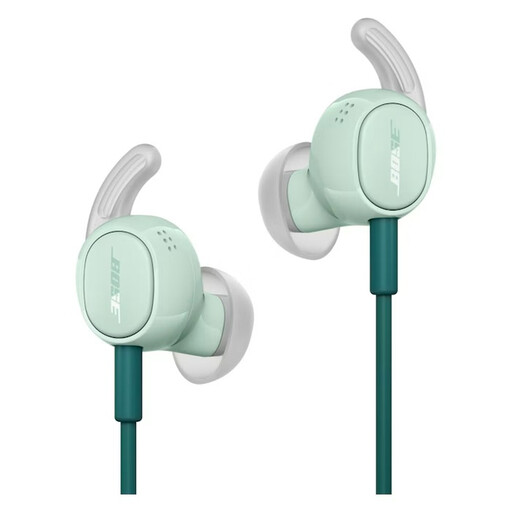 No image available
A wired USB-C option if you want to switch between the listening modes described while you listen.
USB-C connection; S, M and L ear tips plus stability bands; three listening modes, including Aware mode. Requires a compatible device with USB-C audio output.
 No image available
May suit you if you want to try wireless listening and different ear tip sizes.
Bluetooth 5.4; ANC; four interchangeable ear tip sizes; up to 8 hours of battery life per charge. Requires a Bluetooth-enabled device and regular charging.
No, that can’t be guaranteed in general. Measurements of headphones by the German Federal Institute for Occupational Safety and Health in 2019/2020 found no evidence that ANC has particular potential for specifically suppressing speech in the surroundings; they were not tests of individual current models. So check the fit and distracting noises in the situation where you actually listen.
The World Health Organization recommends well-fitting or noise-reducing headphones, keeping the volume low and taking listening breaks. Its examples for adults give an average of 80 dB for up to 40 hours a week, and four hours at 90 dB. These are guidelines on sound exposure, not device settings that are automatically maintained.
First, check the ear tips and sound outlet for dirt, and follow the manufacturer’s cleaning instructions. Shure lists earwax and build-up around the sound outlet as possible causes, before assuming the cable or driver is at fault.
For an ordinary online purchase from a business seller, a 14-day cancellation period from the date of delivery generally applies; exceptions and any return costs should be checked for your particular case. If goods are faulty, you have statutory rights against the seller. According to information from the European Union, the minimum legal guarantee period is two years. These statutory rights are separate from any additional manufacturer’s warranty.
For Bluetooth products, the German Federal Network Agency lists CE marking, product and manufacturer identification, German-language instructions and a declaration of conformity among the points checked in its market surveillance. This general checklist does not confirm that an individual listing is compliant.