People analysing grooves
If you replay short drum passages, you’ll want to compare the hits and rhythmic details. You can check looping and tempo changes on your playback device or in your software; the Audacity manual explains both features.


For focused, repeated listening, well-fitting in-ear headphones with passive noise isolation are a good choice, provided they connect to your playback device. Looping and tempo changes are controlled by playback software, not the headphones. If you need to remain approachable in the office, look for an easily accessible ambient mode and take your workplace rules into account. Manufacturers’ noise-isolation figures are no substitute for checking the fit for yourself or listening at a sensible volume.
If you replay short drum passages, you’ll want to compare the hits and rhythmic details. You can check looping and tempo changes on your playback device or in your software; the Audacity manual explains both features.
If conversations interfere with your recording, look for a comfortable fit that reduces noise without making you keep turning up the volume. The Federal Institute for Occupational Safety and Health lists conversations as a possible source of workplace noise; the World Health Organization recommends well-fitting headphones.
If you need to respond regularly or hear important signals while listening, maximum isolation may not be the right choice. Sony lists an ambient sound mode for the WF-1000XM5; the German Social Accident Insurance explains that potential hazards depend on the workplace in question.
A good fit if: you want to replay recordings with as few distractions as possible on a compatible device.
The trade-off: A snug fit can also make it harder to hear people trying to get your attention, and you’ll need a 3.5 mm output or a compatible connection. Manufacturers’ noise-isolation figures don’t guarantee a good fit in your ears.
A good fit if: you want to compare a sound profile that the manufacturer specifically offers for drums and bass. beyerdynamic positions the DT 71 IE for this use.
The trade-off: This positioning doesn’t prove that you’ll identify grooves more easily. Compare the hits, cymbals and kick drum using the same familiar passage at a moderate volume.
A good fit if: you often switch between recordings and conversations in the office and prefer a wireless connection. Sony lists an ambient sound mode for the WF-1000XM5.
The trade-off: Bluetooth and battery life become additional considerations; an ambient mode doesn’t guarantee that you’ll hear safety-critical signals.
| What matters | What to check before buying | Who is it particularly important for? |
|---|---|---|
| Rhythmic detail | Compare hits, cymbals and kick drum using a familiar recording; check looping and tempo changes in your software. | If I replay short passages, I want to compare rhythmic details closely. Consumers who focus on this level of detail account for around 33%. |
| Noise isolation and fit | Try different ear tips and check that the fit is comfortable; don’t assume manufacturers’ figures reflect the noise isolation you’ll get. | If conversations interfere with my recording, I want a comfortable seal rather than having to keep turning up the volume. Around 27% of consumers put this kind of noise isolation first. |
| Staying approachable | Check whether an ambient mode or pause function is easy to access, and follow your workplace guidelines. | If I need to respond to conversations or signals while working, I want to be able to hear more of what’s going on around me when needed. Around 20% of consumers prioritise being able to stay approachable. |
| Fit and connection | Check the fit, connection or Bluetooth compatibility, and, if relevant, battery life and replacement cables. | If I’m planning longer listening sessions, it matters that my in-ear headphones are comfortable and connect to my playback device. This combination accounts for around 20% of consumer priorities. |
Manufacturers’ figures apply to the model in question and are no substitute for a good fit. Strong isolation can also make it harder to hear people trying to get your attention.
Try the ear tips and check the comfort, then consider which sounds you need to be able to hear in your workplace.
beyerdynamic positions the DT 71 IE for drums and bass; this isn’t a comparative test of how well it helps you identify grooves.
Compare different sound profiles using the same familiar passage at a moderate volume.
Looping and tempo changes are features of your playback device or software. An ambient mode doesn’t guarantee that you’ll hear every important signal.
Check the software features and your need to stay approachable separately before choosing a model.
The SE215 is a wired option with passive noise isolation for listening to recordings played through a device.
The DT 30 IE is a wired option, while the DT 71 IE is positioned within the DT-7X range for drums and bass.
The ER2SE is aimed at people who want to compare a sound profile the manufacturer describes as flat with passive noise isolation; the ER2XR has more emphasis on bass within the same range.
The wireless version of the IE 100 PRO may suit people who want to switch between Bluetooth and the cable supplied.
The WF-1000XM5 is a true wireless option if it’s important to switch to hearing more of your surroundings.
This selection of Joybuy products includes wired in-ear headphones and wireless models with noise cancelling or an ambient mode, for different listening situations in the office.
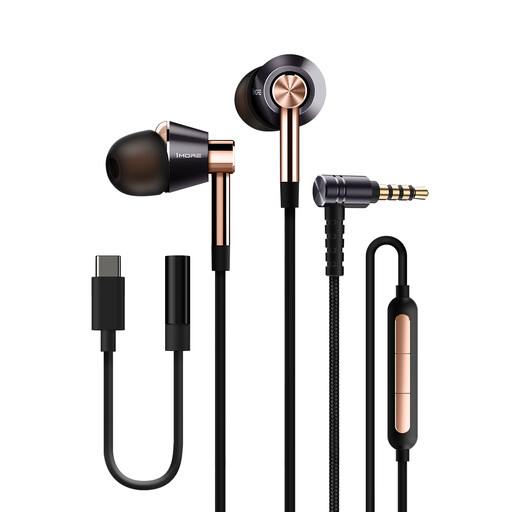 No image available
The wired version is an option if you want to listen to recordings on a compatible device.
Described as an in-ear design that isolates noise, with several sizes of ear tips listed. The fit depends on choosing the right size.
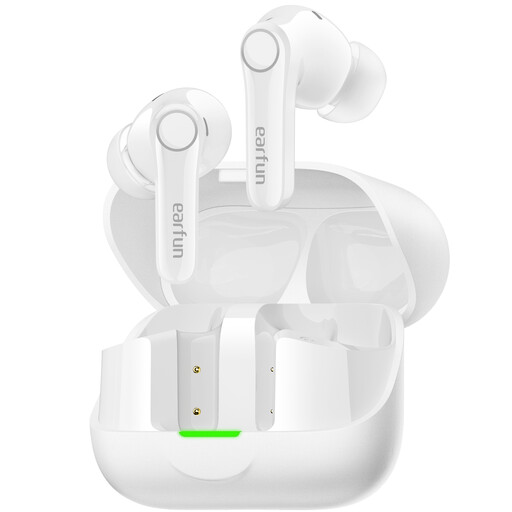 No image available
A wireless option if you want to use noise cancelling and adjustable EQ settings while listening.
The product description lists adaptive hybrid ANC, an EQ in the app and Bluetooth 6.0.
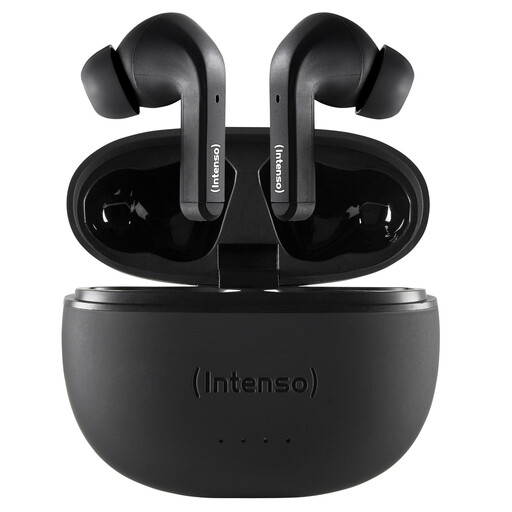 No image available
ANC and transparency mode are listed for switching between different listening situations; according to the product information, ANC shouldn’t be used where safety-critical ambient sounds need to be heard.
Bluetooth 5.3; up to 10 hours of playback per earbud charge.
 No image available
The product description lists ANC and an ambient mode for switching between noise isolation and hearing more of your surroundings.
A dual-speaker system and adjustable 9-band equaliser are listed.
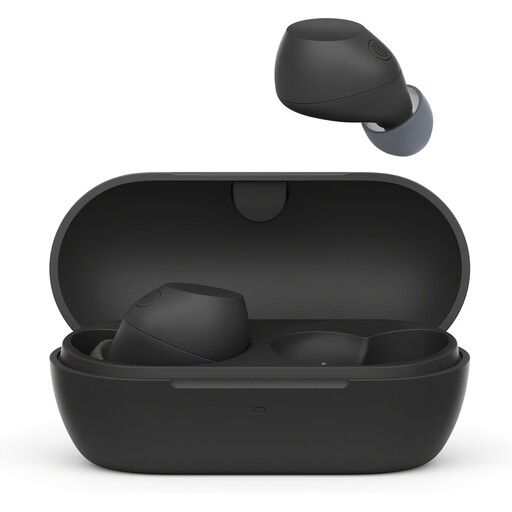 No image available
ANC and ambient sound mode are listed for switching between noise reduction and hearing more of your surroundings.
The product information lists an adjustable EQ, multipoint connection and up to 8.5 hours of playback with ANC on.
No. Your playback device or software needs to support looping and tempo changes. The Audacity manual explains how to change the tempo without changing the pitch; more extreme settings can produce audible artefacts.
Check the fit first rather than turning up the recording to drown out office noise. The World Health Organization recommends well-fitting headphones, keeping the volume low and taking listening breaks. Its guideline of 80 dB for up to 40 hours a week isn’t a measurement of the volume of your particular headphones.
Check the ear tip and sound outlet for a build-up of debris, and clean them carefully using a suitable tool. Shure advises against pushing the tool deep into the sound outlet.
Your statutory rights against the seller and a voluntary guarantee are separate. Exceptions to the right to cancel an online purchase may apply to certain goods that are genuinely sealed and unsuitable for return for hygiene reasons. The consumer advice centre points out that a simple clear plastic wrapper doesn’t count as such a seal; check the specific packaging and applicable terms before trying the ear tips.
You can’t infer a blanket permission or ban that applies to every office. Under section 5 of the Occupational Safety and Health Act, employers assess the risks associated with the work. The German Social Accident Insurance explains that in a high-risk workplace, headphones must be prohibited if they create unacceptable risks, such as warning signals going unheard; this isn’t a general rule for offices.