Who are in-ear headphones suitable for when practising grooves?

Considerate groove practisers

If you share a bedroom, you can listen to a recording through in-ear headphones instead of using a speaker. If you play pads or pedals at the same time, their noise will still be audible in the room. When it comes to noise between neighbours, the German Federal Environment Agency points to rules set by the federal states, local authorities and tenancy agreements.

E-drum players using backing tracks

If you want to hear a backing track, click and your electronic drum signal together, check the mixing and connection options on your specific module. Roland describes a Mix In input on certain V-Drums modules for connecting a smartphone or music player.

Listeners who want to stay focused for longer

Comfortable eartips and controlled volume are important when listening repeatedly. The World Health Organization notes that both volume and listening time affect the strain on your hearing. The right eartip size is a matter of personal fit.

What should you look for when choosing?

What matters What to check before buying Who should pay particular attention?
Being considerate in a shared room Work out whether you’ll just be listening or playing; remember that pad and pedal noise needs to be considered separately. If I want to disturb the other person in the room as little as possible, I’ll start by considering how I practise; around 36% of consumers put being considerate towards housemates first.
Mixing the groove and click For e-drums, check the headphone output, backing track input and mixing function on your specific module. If I want to play along to a groove, the click, backing track and, if needed, my own e-drum signal all need to work together; around 29% of consumers prioritise control over the groove and mix.
Fit and listening volume Check the supplied eartips and look for a comfortable, secure fit; keep the volume at a sensible level. If I’m listening to grooves for longer periods, I want a comfortable fit and clear sound without having to turn the volume up unnecessarily; around 21% of consumers pay particular attention to fit and hearing protection.
Connections and replaceable parts Check the audio output, any adapter you’ll need, and whether replacement cables and eartips are available for the exact model variant. If I want to keep using my existing devices and replace parts later, I’ll check the plug and availability of compatible spares first; around 14% of consumers prioritise connections and replaceable parts.

Common buying mistakes

  • Confusing in-ear noise isolation with soundproofing for drums

    Noise isolation at your ears won’t stop pad strikes and vibrations from being heard in the room. The same applies to the actual hits on an acoustic kit.

    Before buying, decide whether you’ll just be listening, playing an electronic drum kit or using an acoustic kit. If pedal impact noise is a problem, look into separate isolation measures designed for your pedal.

    Depending on how you practise, you may need a different practice space or separate isolation measures.

  • Assuming the manufacturer’s highest noise-isolation figure reflects your experience

    Manufacturer claims apply to specific models and conditions. They aren’t measurements taken in your ears, and fit and listening volume still matter.

    Check the supplied eartips and find a comfortable fit. Keep playback volume at a sensible level rather than assuming that a maximum isolation figure guarantees personal protection.

  • Checking the signal path only after you’ve bought

    You’ll only hear the backing track, click and your own playing together if the source can output or mix the signals accordingly.

    First check the connections and mixing functions on your playback device or e-drum module. Make sure the plug and any adapter you need are compatible with your existing equipment.

    Depending on the output, you may need a suitable adapter or a different mixing solution.

Notable brands to consider

Shure

The wired SE215 is worth considering if you’re looking for a choice of eartips and a detachable cable.

  • Shure says the SE215 comes with a Fit Kit featuring different eartips and reduces ambient noise by up to 37 dB.
  • This is a manufacturer’s claim, not guaranteed noise isolation in your own ears or soundproofing that keeps the drums quiet for others in the room.

Sennheiser

The IE 100 PRO is a wired monitoring earphone supplied with foam and silicone eartips.

  • Sennheiser quotes noise attenuation of less than 26 dB for the IE 100 PRO.
  • This figure doesn’t prove that the fit will suit you or that every variant will work with every connection. Check the specific version and the signal path you’ll need.

beyerdynamic

The DT 30 IE is a wired option with listed replacement parts; the drum and bass positioning applies to the DT 71 IE.

  • beyerdynamic lists a 3.5 mm plug, an MMCX cable connection and passive isolation of up to 39 dB for the DT 30 IE.
  • The manufacturer’s description of the DT 71 IE for drums and bass applies to that specific model and isn’t a feature of the DT 30 IE.

Mackie

The MP-120 is a wired option if you’re looking for a choice of eartips in the box.

  • Mackie lists foam, silicone and double-flange tips in three sizes each, along with a detachable MMCX cable.
  • Which tips feel comfortable and form a good seal will vary from person to person. Before buying, also check that the connection is compatible with your source.

Joybuy products for listening to grooves

These products are intended for listening to groove recordings. Check your source’s connection. For e-drums, you’ll also need to find out whether the module can mix the signals you want to hear.
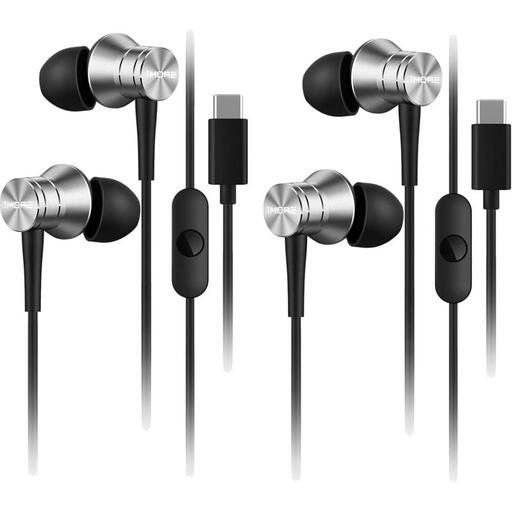
1MORE Piston wired earphones, Type-C version, silver

1MORE Piston, wired earphones, Type-C version, silver

For listening to groove recordings when your playback source has a compatible USB-C port.

Wired Type-C version.

This won’t quieten the sound of drum pad strikes or pedal noise in the room.

View on Joybuy
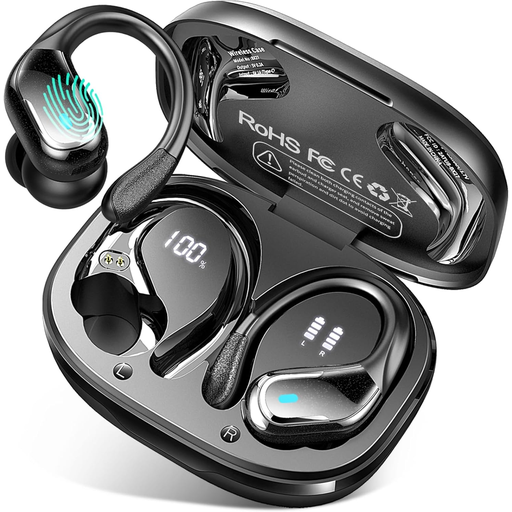
Rulefiss 75 Hours Bluetooth in-ear headphones

Rulefiss 75 Hours Bluetooth in-ear headphones

For listening to groove recordings wirelessly, provided your source supports Bluetooth.

Bluetooth connection; not a wired monitoring setup.

In-ear headphones won’t quieten pad strikes or pedal noise in the room.

View on Joybuy
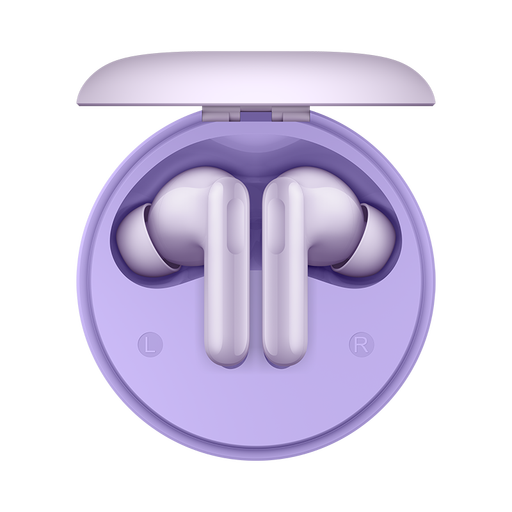
HONOR Earbuds A Pro

HONOR Earbuds A Pro

For listening to groove recordings wirelessly, if your source offers a compatible Bluetooth connection.

Described as wireless earphones; not a wired monitoring setup.

They won’t eliminate the sound of drum strikes or pedal noise in the room.

View on Joybuy
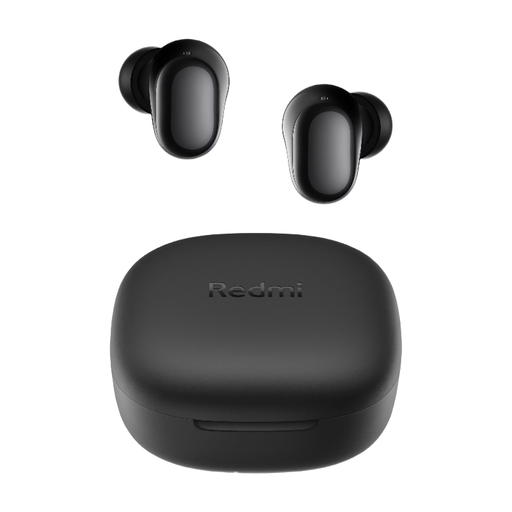
Redmi Buds 6 Play in-ear headphones

Redmi Buds 6 Play

For listening to groove recordings wirelessly, if your source supports Bluetooth.

Bluetooth 5.4; not a wired monitoring setup.

Pad strikes and pedal noise will still be audible in the room.

View on Joybuy
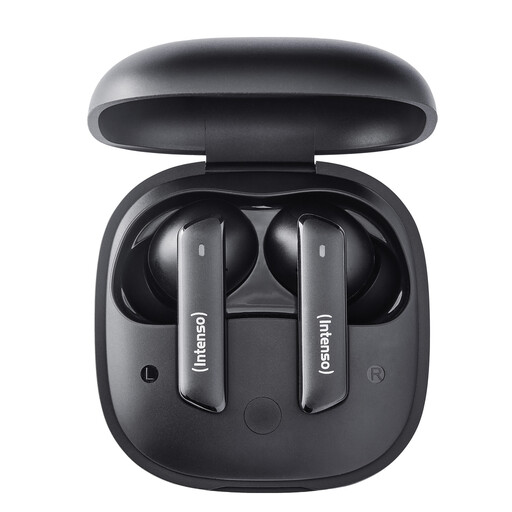
Intenso 3720500 Buds Pro T500HAE, black

Intenso 3720500 Buds Pro T500HAE, black

For listening to groove recordings wirelessly, provided your source supports Bluetooth.

Described as true wireless earphones; not a wired monitoring setup.

They won’t quieten the sound of drum strikes or pedal noise in the room.

View on Joybuy

Frequently asked questions

Will in-ear headphones make an e-drum kit silent in a shared room?

No. They play the electronic signal into your ears, but won’t get rid of pad strikes or pedal noise. Roland describes separate isolation measures for certain V-Drums pedals and pads; this doesn’t guarantee the same results in your room.

How can I hear a groove recording and my e-drums at the same time?

First, check the manual for your specific module for an external music input and a suitable mixing function. Connect the in-ear headphones to the appropriate headphone output and check which plugs, adapters and levels you’ll need; this function isn’t available on every module.

What should I look for during longer listening sessions and when buying replacement parts?

Choose eartips that fit well and keep the volume as low as possible while still being clear. The World Health Organization notes that both volume level and listening time matter. Also check whether eartips and cables are available separately for your exact model.

Can I play drums in my bedroom with in-ear headphones at any time of day?

No, that doesn’t mean you have blanket permission. For noise between neighbours, the German Federal Environment Agency points to rules set by the federal states, local authorities and tenancy agreements. Which practice times and noise levels are permitted where you live depends on the rules that apply there and your specific living situation.

Can I simply return in-ear headphones that don’t fit after buying them online?

Online purchases generally come with a right to cancel within a set period. The consumer advice centre notes that exceptions apply to certain sealed goods which, once unsealed, are unsuitable for return for reasons of hygiene or health protection. Before opening the packaging, check the specific item and the cancellation information; not every in-ear headphone automatically falls under this exception.