What should you look for when buying?
First, work out whether the voices overlap in the recording or whether conversations in the room are causing the distraction. Then consider comfort and the right connection.
| Consideration |
What to look for when buying |
Who is it important to? |
| Voices in the recording |
Compare using the same difficult clip and keeping the volume steady and moderate. |
If I find it hard to tell apart voices that have already been recorded, I want to know whether a different listening setup makes them clearer for me. Around 36% of consumers focus on this kind of overlapping speech. |
| Conversations in the room |
Check the eartips and fit; consider passive isolation or ANC to reduce outside noise. |
If people are talking around me while I listen, I need noise reduction that works for me without blocking out my surroundings completely. Around 29% of consumers are mainly concerned about conversations in the room. |
| Comfort during long listening sessions |
Try the available eartip sizes and check the fit; keep the volume moderate and plan breaks. |
If I’m listening to lots of recordings in one go, I want a comfortable fit without having to keep turning up the volume. Around 21% of consumers prioritise long listening sessions. |
| Connections and replacement parts |
Check the plug and socket on your playback device, and make sure any replacement cable is compatible with the specific model. |
If I want to keep using my existing devices or replace a damaged cable, the connection needs to be compatible with the model. Around 14% of consumers put connections and replacement parts first. |
Joybuy products for listening in rooms with conversations
This selection includes in-ear headphones whose product descriptions mention ANC, which may be relevant if people are talking in the room. ANC doesn’t prove that the headphones can separate voices already present in a recording.
 No image available
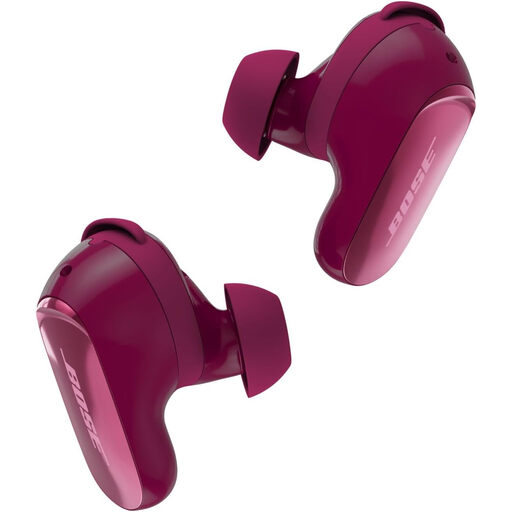
Bose QuietComfort Ultra Earbuds (2nd Gen.) Purple
If people are talking in the room, the adjustable eartips and stability bands mentioned in the product description give you useful fit options.
The product description mentions ANC; this doesn’t mean the headphones can separate voices in a recording.
View at Joybuy
 No image available
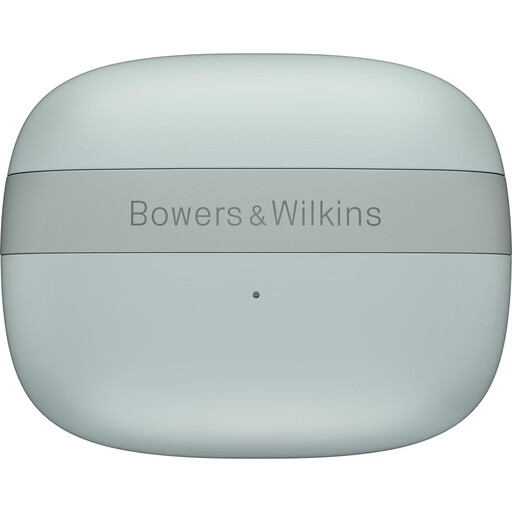
Bowers & Wilkins Pi6 True Wireless In-Ear Headphones
For listening in rooms where people are talking, the product description lists ANC and four interchangeable eartips.
Battery life is quoted at up to 8 hours per charge. ANC doesn’t prove that the headphones can separate voices that have already been recorded.
View at Joybuy
 No image available
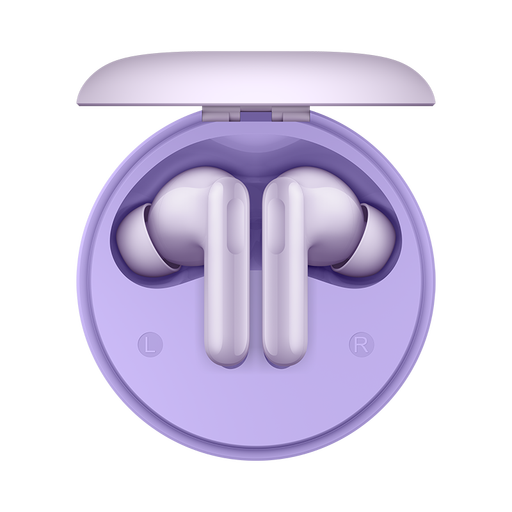
HONOR Earbuds A Pro
The product title mentions ANC, which may help with conversations in the room. It also specifies a 12.4 mm driver.
The product description quotes up to 42 hours of battery life with the charging case. These figures don’t prove that the headphones can separate voices within a recording.
View at Joybuy
 No image available
Samsung Galaxy Buds4 Pro True Wireless, Black
For adjusting the sound, the product description lists a 9-band equaliser and ANC.
With ANC switched on, playback is quoted at up to 6 hours per charge. ANC doesn’t prove that the headphones can separate voices that have already been recorded.
View at Joybuy
 No image available
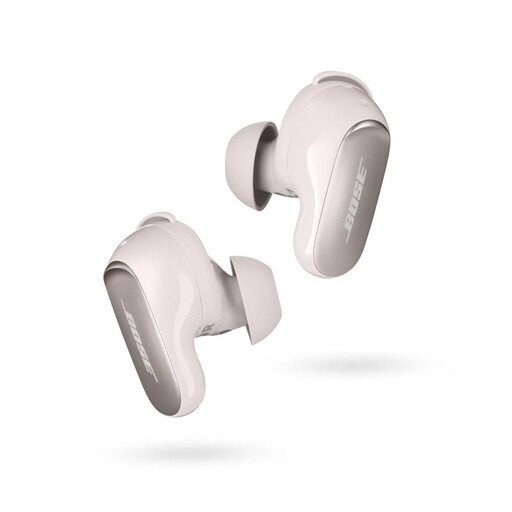
Bose QuietComfort Ultra Earbuds White
For an adjustable fit, the product description lists several combinations of eartips and stability bands, as well as ANC.
It also lists three listening modes and up to 6 hours of playback per charge. ANC doesn’t prove that the headphones can separate voices in a recording.
View at Joybuy
Frequently asked questions
Can in-ear headphones remove another voice from an old family recording?
Passive isolation reduces outside noise, but it can’t reliably separate voices that have already been recorded together. Research into competing speakers in the Journal of Speech, Language, and Hearing Research explains why it can be difficult to understand one voice when speech overlaps. So compare a typical clip without assuming the headphones will separate the voices.
How do I find the right eartips and fit them correctly?
Carefully try the supplied sizes and follow the instructions for your specific model when fitting, changing and cleaning the eartips. Shure notes that a tight seal affects the sound; the same fit won’t feel equally comfortable for everyone.
Should I simply turn up the volume for quiet sections?
Not all the time: the World Health Organization recommends limiting the volume and taking regular listening breaks. A good seal may reduce the temptation to turn up the volume to drown out noise in the room, but it won’t resolve overlapping voices in a recording.
Who is responsible if a product develops a fault after purchase in Germany?
For purchases made by consumers, your statutory rights for faulty goods are against the seller. The Verbraucherzentrale (German Consumer Advice Centre) states that the standard period is two years; any additional voluntary manufacturer’s guarantee is separate.
Can I always return sealed in-ear headphones after trying them?
No, not in every case. Section 312g of the German Civil Code (BGB) generally provides a right to cancel distance contracts, but includes an exception for sealed goods that are unsuitable for return for health protection or hygiene reasons if the seal has been removed after delivery. Whether these conditions apply to a specific product depends on the individual case; being an in-ear product alone doesn’t qualify it for the exception.


