For repeatedly comparing vocals and instruments, in-ear headphones are a sensible choice if you can assess their tuning and fit using the same familiar recording. Manufacturer claims are no substitute for making this personal comparison. With wired models, the connector must match your playback device. Strong isolation can reduce distracting noise, but may also mask important sounds around you.
Who this selection is for
Listeners comparing vocals and melodies
If you listen to the same lines repeatedly to compare vocals, melodies and instruments, a balanced tuning can be a useful starting point. Sennheiser describes the IE 200 as balanced, while Etymotic distinguishes between the flatter tuning of the ER2SE and the more bass-heavy tuning of the ER2XR.
Listeners in noisy rooms
If conversations or other background noise drown out quieter sections, look for a good fit rather than turning the volume up unnecessarily. The World Health Organization recommends well-fitting headphones, as they can help reduce the need to turn up the volume in noisy surroundings.
Listeners for longer sessions
If you listen to several recordings in a row, factor in the ear tips, comfort and availability of replacement parts. Sennheiser and Shure list different ear tip and cable features for certain models.
What to consider when buying
| What matters |
What to check before buying |
Who is this especially important to? |
| Tuning for vocals and instruments |
Compare the same familiar passage at a moderate volume, and make sure the ear tips fit properly. |
When I listen to the same lines repeatedly, I want to assess the vocals and accompaniment without mistaking boosted bass for a feature of the recording. Around 33% of consumers put sound comparison first. |
| Isolation without turning up the volume |
Try the ear tips in your usual listening environment, and consider whether you need to hear sounds around you. |
When conversations or other noises drown out quieter passages, I want to hear them without turning up the volume. Around 25% of consumers rank isolation as their top priority. |
| Fit for longer listening sessions |
Compare the included sizes and materials, and check the fit during a typical listening session. |
When listening to several sections in a row, I want a fit that feels comfortable and doesn’t keep slipping out. Around 25% of consumers prioritise long-term comfort and fit. |
| Connectivity and potential replacement parts |
Check your device’s audio output and, where relevant, any adapters, what’s included and compatible replacement parts. |
If my playback device doesn’t have a compatible connection, I can’t use the headphones straight away. I also want to plan for any replacement parts I might need. Around 17% of consumers cite connectivity and ongoing costs as their main concern. |
Avoiding buying pitfalls
-
Taking an isolation rating as a guarantee
Etymotic lists passive noise attenuation of 35–42 dB for the ER2SE. This manufacturer figure doesn’t guarantee you’ll get the same level of attenuation with your ears and fit.
Try the ear tips in your usual listening environment at a moderate volume. Also consider situations where you need to be able to respond to someone or hear important sounds.
-
Assuming the SE215 PRO and AONIC 215 are the same
On its German product page, Shure labels the SE215-PRO version “Professional Use Only”. This doesn’t automatically apply to the separately described AONIC 215.
Check the full model name and the intended use of the specific version, rather than assuming that features or rankings carry over from similarly named models.
-
Expecting your headphones to fix the recording
Background noise already present in a downloaded file remains part of the playback signal. In-ear headphones can’t remove these recording flaws.
If necessary, compare the same section on another playback device and assess recording flaws separately from the fit and sound of the headphones. The Audacity manual explains the limitations of noise reduction when music or speech is barely louder than the noise.
-
Overlooking your playback device’s connection
You can only use wired headphones if their connector matches your device’s audio output. An adapter or suitable replacement parts may also be relevant to your choice.
Before ordering, check the device output, what’s included and any replacement parts you’ll need for the exact version.
Depending on your device, you may need a suitable adapter; if something goes wrong, compatible replacement parts may be an option.
Key brands at a glance
Sennheiser
The IE 200 is a wired option for listeners who want to compare a tuning that the manufacturer describes as balanced.
- For the IE 200, Sennheiser lists an MMCX cable with a 3.5 mm plug, adjustable ear hooks and several ear tip sizes.
- The IE 100 PRO is a different product line. Features and accessories shouldn’t be assumed to carry over between models.
Shure
Shure describes the AONIC 215 as suitable for listening to music and communicating with a cable.
- Shure lists a detachable 3.5 mm cable, along with silicone and foam ear tips, for the AONIC 215.
- On Shure’s German product page, the SE215-PRO version is labelled “Professional Use Only”. It shouldn’t be confused with the AONIC 215.
Etymotic
The ER2SE and ER2XR illustrate the difference between a tuning the manufacturer describes as flatter and one it describes as more bass-heavy.
- Etymotic lists passive noise attenuation of 35–42 dB and a replaceable cable for the ER2SE.
- The quoted attenuation figure doesn’t guarantee a particular fit or level of isolation for your ears.
beyerdynamic
beyerdynamic positions the DT 70 IE as a studio-focused in-ear model for mixing and critical listening.
- beyerdynamic lists a 1.4 m cable with an MMCX connector and 3.5 mm plug.
- Its studio focus doesn’t prove that this model is better suited to every home recording of folk songs.
In-ear headphones at Joybuy
This selection includes wired and Bluetooth in-ear headphones for repeated listening. Before buying, check that each model’s connection is compatible with your playback device.
 No image available
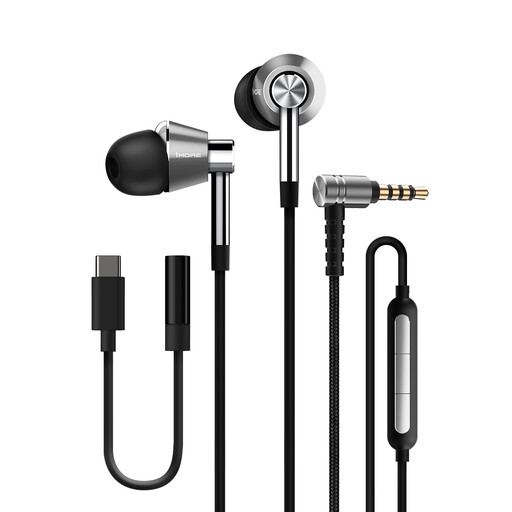
1MORE E1001 Triple Driver, Silver
A wired model for comparing vocals and accompaniment. The product description lists two balanced armature drivers for vocal and treble detail, plus a separate dynamic driver.
Several sizes of silicone and foam ear tips are listed.
View at Joybuy
 No image available
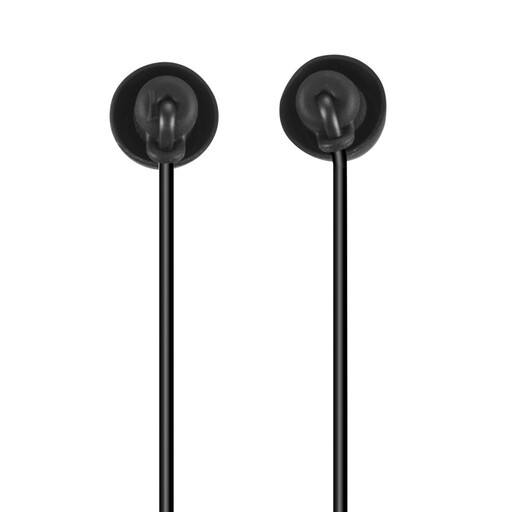
Calm in-ear headphones, USB-C, Black
A wired model for devices that support USB-C audio. The product specifications list a weight of 10 g and extra-small silicone ear tips.
View at Joybuy
 No image available
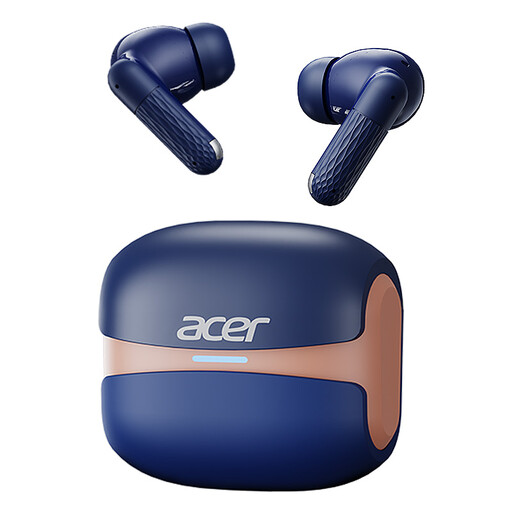
Acer OHR548, wireless
A Bluetooth option if you’d rather listen without a cable; your playback device must support Bluetooth.
The product specifications list Bluetooth 5.4 and 11 mm drivers.
View at Joybuy
 No image available
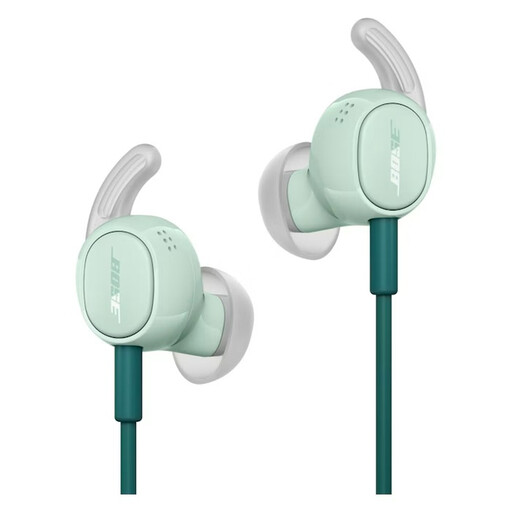
Bose Noise Cancelling Wired Earbuds, Dewdrop Mint
A wired model for compatible USB-C devices. The product specifications list Quiet, Aware and ANC-off modes, as well as ear tips in three sizes.
View at Joybuy
 No image available
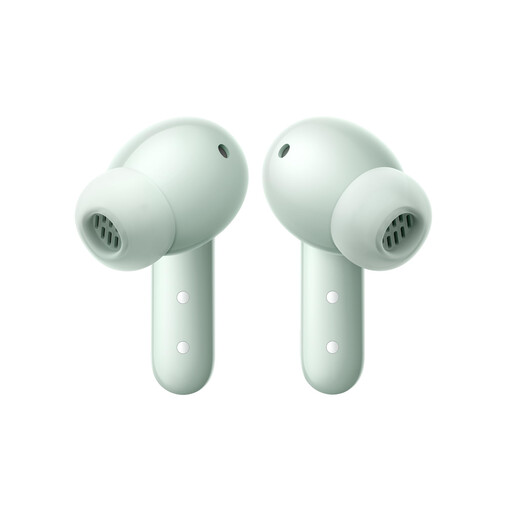
CMF Buds 2, Green
A Bluetooth option for compatible playback devices. The product specifications list Bluetooth 5.4, dynamic 11 mm drivers and ANC.
Battery life is listed as up to 7.5 hours per charge.
View at Joybuy
Frequently asked questions
Do I need a specific in-ear model for downloaded recordings?
No. The file format alone doesn’t call for a particular model of earbuds. What matters is that your device can play the file and that its audio output is compatible with your headphones. With Apple Music, the quality of a downloaded track also depends on your download settings; Apple notes that Bluetooth connections aren’t lossless.
Can new in-ear headphones remove noise from a recording?
No. In-ear headphones can’t remove noise that’s already part of the file. The Audacity manual explains the limitations of noise reduction, particularly when music or speech is barely louder than the noise.
What can I do if one side suddenly sounds quieter?
Don’t turn up the volume straight away; first check the connection and ear tips. Shure lists earwax, dust and dirt around the sound outlet as possible causes with its headphones. Follow the cleaning instructions for your specific model.
Are the Shure SE215 PRO and AONIC 215 the same model?
No, the names refer to different versions. On its German product page, Shure labels the SE215-PRO version “Professional Use Only”. Don’t assume this or other features apply to the separately described AONIC 215 without checking.
Can I wear noise-isolating in-ear headphones while driving?
Section 23(1) of the German Road Traffic Regulations (StVO) requires drivers to ensure their hearing isn’t impaired by devices. This doesn’t amount to blanket permission to use every in-ear model at any volume; an advertised attenuation rating doesn’t tell you whether you’ll still hear traffic signals. The wording of the regulation is available on Gesetze im Internet.


