For practising mainly in one place, wired in-ear monitors are a natural starting point, provided they’re compatible with your audio source and connection. If you want to hear a recording and an amplified guitar at the same time, you’ll also need a signal path that combines both sources. Fit and sound tuning affect what you hear, but in-ear headphones won’t make an acoustic guitar played in your room silent.
Who are in-ear headphones suitable for when learning by ear?
If you’re learning a solo by ear
When you’re repeating short sections, a comfortable fit and playback that lets you follow the guitar line are important. However, a particular sound tuning won’t automatically separate one instrument from every finished recording. For example, beyerdynamic’s DT-IE series features different tunings for guitar and vocals, or for critical listening.
If you share a bedroom
If you want to listen to the backing track privately, you’ll need to consider the sound of the instrument you’re actually playing separately. Sound isolation at your ears won’t make an acoustic guitar inaudible in the room.
If you want to hear the backing track and your own guitar
If you want both signals to reach your headphones at the same time, it depends on your amp, interface or practice device and its signal path. For example, Fender says the Mustang Micro can play an incoming track and the guitar signal together.
What should you look for when choosing?
Wired
A good fit if: you usually practise in the same place and your device has a compatible headphone output.
Bear in mind: The cable limits your freedom of movement, and you’ll still need a shared signal path for two sources.
Wireless in-ear monitoring
A good fit if: you genuinely need to move around while playing, and the transmitter, receiver and connections suit your setup.
Bear in mind: The system involves extra components and checking the frequencies. For a specific wireless set, check the applicable regulations from the Federal Network Agency (Bundesnetzagentur).
| Priority |
What to look for when buying |
Who is it most relevant to? |
| Details in the backing track |
Check the eartips and fit; consider sound descriptions in relation to the specific model only. |
If I want to pick out short guitar passages repeatedly, suitable playback matters more to me than a promise that instruments will be separated automatically. Around 29% of consumers have this as their main priority. |
| Being considerate in a shared room |
Consider the sound of an acoustic guitar and headphone playback separately; keep the listening volume low. |
If I share a room, I want to hear the recording in my ears without assuming that the instrument will be silent to others too. Around 29% of consumers prioritise being considerate in a shared space. |
| A compatible signal path |
Check the output, plug and whether you can combine the recording and guitar signal. |
If I want to hear the backing track and my own guitar while playing along, I need a device that sends both signals to my headphones. Around 24% of consumers have a suitable combined listening path as their main priority. |
| Fit and replacement parts |
Check the eartip sizes and the connection for a possible replacement cable for the exact model. |
If I want to use my headphones for longer, a comfortable fit and suitable replacement parts are important. Around 18% of consumers prioritise comfort and ongoing costs. |
Which assumptions should you avoid?
-
Confusing sound isolation with silence for your housemates
An earphone’s isolation affects the ambient noise you hear. The sound of an acoustic guitar in the room is a separate matter.
Assess the sound of the instrument and what you hear through your headphones independently; don’t expect in-ear headphones to let you play in silence.
-
Buying headphones alone when you need two signals
In-ear monitors don’t mix a recording and a guitar signal together on their own.
Check the signal path from both sources to the headphone output before choosing your headphones.
-
Assuming a detachable cable is universally interchangeable
The Audio-Technica ATH-E40 has an A2DC connection at the earpiece; a cable with a similar-looking plug isn’t enough to confirm compatibility.
Check the cable connection and eartip sizes for the exact model before choosing replacement parts.
Key brands to consider
Shure
The SE215 is a wired option with a replaceable MMCX cable and a choice of eartips.
- Shure states that the SE215 reduces ambient noise by up to 37 dB and uses a 3.5 mm cable connection.
- This figure doesn’t describe sound insulation in a room or indicate how easily you’ll be able to pick out a solo from any recording.
Sennheiser
The wired IE range includes the IE 4 and IE 100 PRO, with modular cable and eartip options.
- Sennheiser lists three sizes of silicone eartips, passive noise isolation and a 3.5 mm stereo plug for the IE 4.
- The product descriptions don’t establish that the IE 100 PRO sounds better than the IE 4.
Fischer Amps
The FA 3E XB is a wired monitor with a replaceable 2-pin cable.
- The specification sheet lists a 3.5 mm stereo plug, a replaceable 0.78 mm 2-pin cable, and silicone and foam eartips.
- The model is described as designed for drums; that doesn’t mean it’s particularly suited to picking out a guitar solo.
Audio-Technica
The ATH-E40 is a wired monitoring option with a detachable cable.
- Audio-Technica lists four sizes of silicone eartips and a 3.5 mm plug.
- The detachable cable uses an A2DC connection; check compatibility before buying a replacement cable.
beyerdynamic
According to the manufacturer, the DT-IE series includes models with different tunings, including the DT 72 IE for guitar and vocals and the DT 70 IE for critical listening.
- The different model descriptions can help you narrow down what you’re looking for in your listening experience.
- A tuning described as guitar-focused doesn’t guarantee that a solo will be easier to pick out in every recording; the choice of model and fit are still personal.
Wired Joybuy product options
This Joybuy selection includes wired in-ear headphones for listening to a backing track privately. With USB-C models, the port you use must support audio output.
 No image available
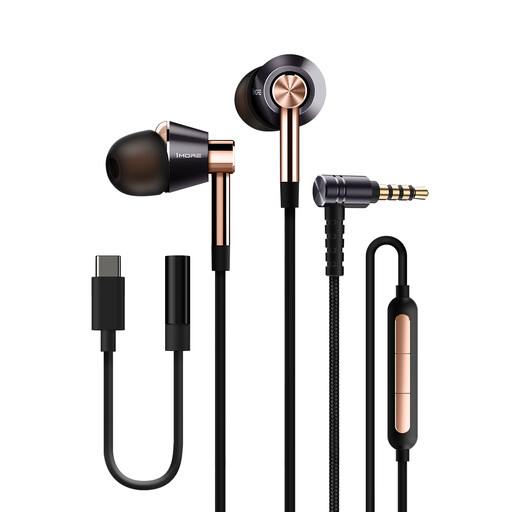
1MORE E1001 Triple Driver in-ear headphones
The wired in-ear connection is suitable for replaying a backing track; you’ll need a shared signal path to hear the recording and guitar at the same time.
The product description lists multiple drivers and silicone and foam eartips.
View at Joybuy
 No image available
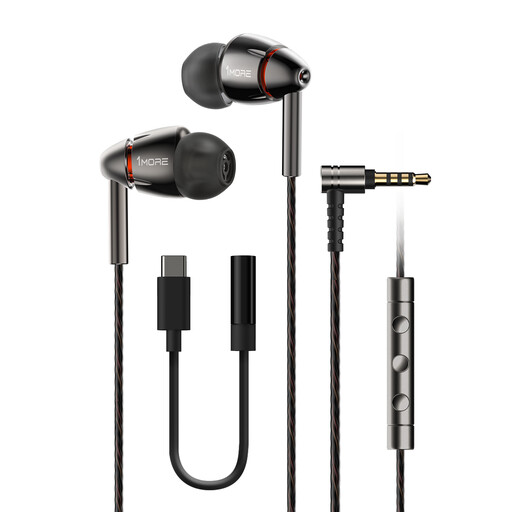
1MORE Quad Driver in-ear headphones
The wired in-ear connection is suitable for listening to a backing track privately; whether the guitar signal also comes through depends on your setup.
The product description lists four drivers and eight pairs of different eartips.
View at Joybuy
 No image available
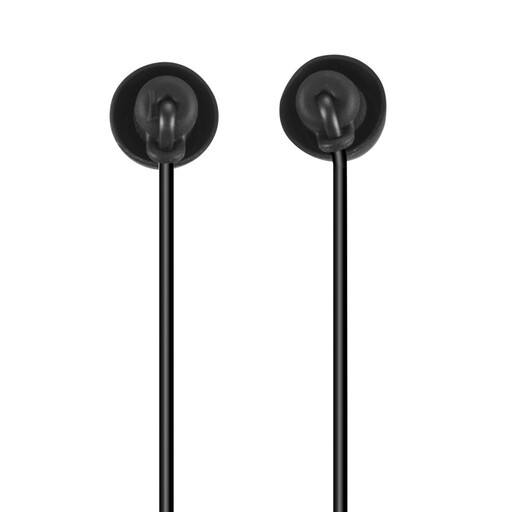
Calm in-ear headphones, USB-C
The extra-small eartips may appeal if you’re looking for this size, though fit is personal.
The product description lists USB-C, a 1.2 m cable and extra-small silicone eartips. The connected device must support USB-C audio.
View at Joybuy
 No image available
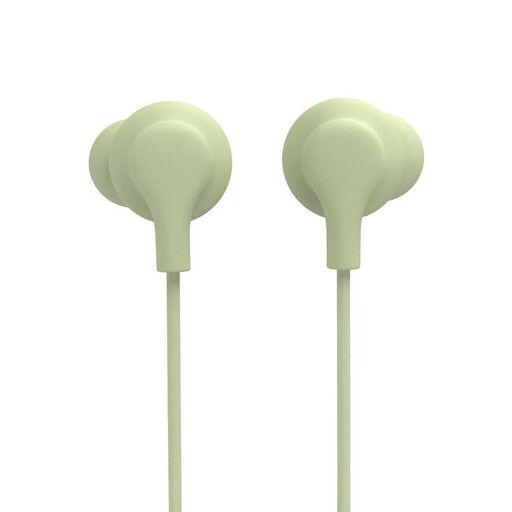
Curly in-ear headphones, USB-C
The wired connection is designed for playing back a backing track; you’ll still need a suitable setup to hear your guitar at the same time.
The product description lists USB-C, silicone eartips and an in-line remote. The device must be able to output audio via USB-C.
View at Joybuy
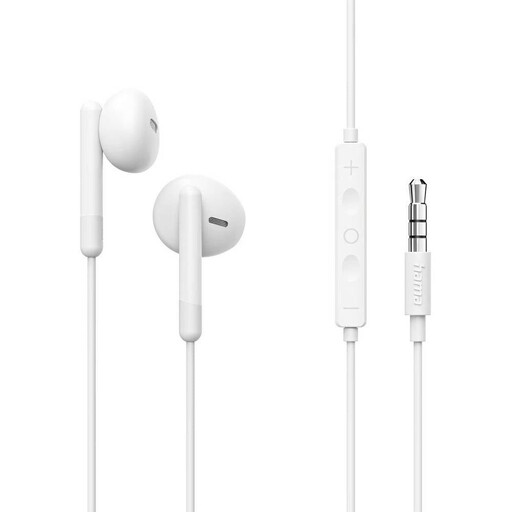 No image available
Noble in-ear headphones, 3.5 mm
The 3.5 mm connection may suit a compatible headphone output; check your device’s output before buying.
The product description lists a 3.5 mm jack connection and a 1.2 m cable.
View at Joybuy
Frequently asked questions
Do in-ear monitors make guitar practice silent for other people?
No. They play audio through your headphones, while an acoustic guitar played in the room will still be audible. Consider the instrument and the sound in your headphones separately.
How can I hear a backing track and my own electric guitar at the same time?
You need a signal path that sends both sources to the headphone output. As a specific example, Fender says the Mustang Micro can play a track received via Bluetooth alongside the guitar signal. Check whether your existing device can do the same.
Should I choose a wired or wireless system for practice?
If you mainly practise in one place and have a compatible headphone output, wired headphones are a natural starting point. A wireless IEM system may be more suitable if you need freedom of movement; check the connections and the applicable frequency regulations from the Federal Network Agency (Bundesnetzagentur) for the specific set.
What listening volume is suitable for picking out parts over longer sessions?
Keep the volume low and take breaks. The World Health Organization gives the example of a maximum of 40 hours per week at an average of 80 dB, or four hours at 90 dB. This doesn’t automatically reflect the actual level at your setup’s output.
Will a particular sound tuning make a guitar solo easier to hear?
Not automatically. A tuning described by the manufacturer as suited to guitar, such as that of the beyerdynamic DT 72 IE, doesn’t guarantee that a solo will be easier to pick out from every finished mix. Fit and the specific recording still matter.


