What should you look for?
First, decide whether you’ll only be playing a recording or also want to hear your live vocals; this determines whether in-ear headphones alone will be enough.
| Priority |
What to look for |
Who is this particularly important for? |
| Picking out the backing track |
Ear tip sizes and fit; connection to the playback device |
If I want to identify and sing back the harmony part in a recording, I need a good fit and a suitable playback connection. Around 36% of consumers therefore prioritise how clearly they can hear the backing track. |
| Hearing my own voice |
Microphone and monitor signal path; compatible connections |
If I want to hear my own voice alongside the backing track as I sing, the microphone signal needs to reach my in-ear headphones. Around 29% of consumers prioritise hearing their own voice in real time. |
| Fit and outdoor use |
Fit and model-specific protection ratings |
For longer practice sessions outdoors, I want a secure fit and only the level of protection my actual use requires. Around 21% of consumers prioritise fit and outdoor use. |
| Connections and replacement parts |
Device output and earphone connector type |
If I want to use devices I already own or buy replacement parts later, the connections need to match. Around 14% of consumers prioritise compatibility and replacing suitable parts. |
Joybuy products
The Joybuy models below include wired and Bluetooth earphones for playing a prepared backing track; one model is described as coming with a sound card for real-time monitoring. For live vocals, check that the complete microphone and monitor signal path is compatible with your setup.
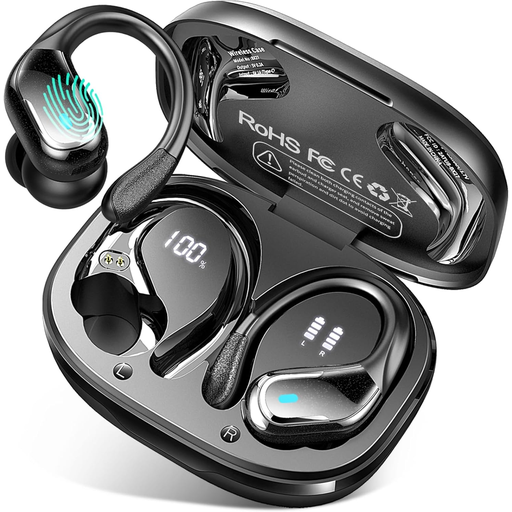 No image available
Rulefiss Wireless Bluetooth In-Ear Earphones, 75 Hours, IP-X8
Consider this Bluetooth option for playing a prepared harmony part.
The product title lists 75 hours, IP-X8 and four ENC microphones; these are product claims, not independently verified performance figures.
View at Joybuy
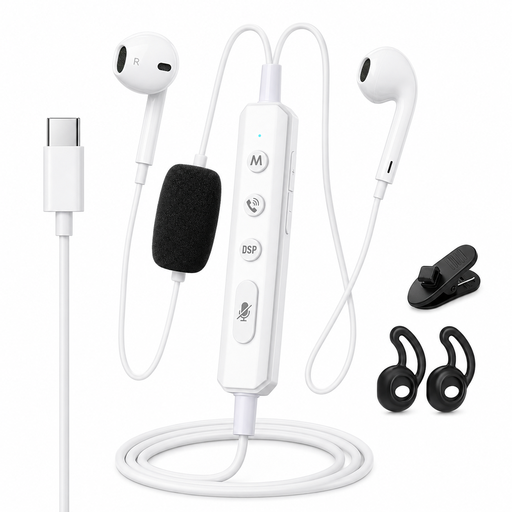 No image available
VoxorAI KM08, White, Wired Headphones with Sound Card
Consider this for wired playback or a setup where you want to check the monitoring purpose stated in the product title.
The product title lists Type-C compatibility and a sound card for real-time monitoring. Check that the connections and signal path are compatible with your device and microphone.
View at Joybuy
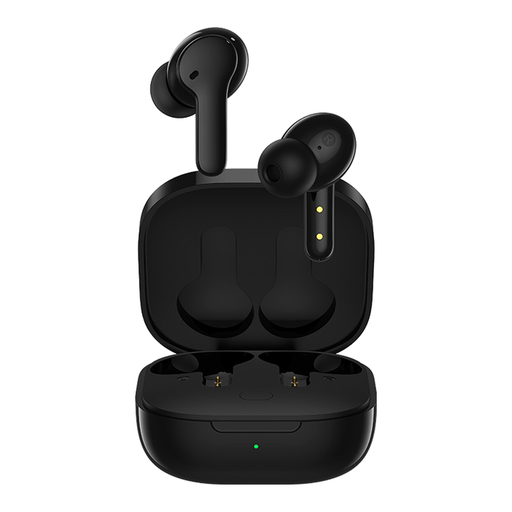 No image available
QCY-QT13-Black
If you want to play a backing track wirelessly, check Bluetooth compatibility with your playback device before buying.
View at Joybuy
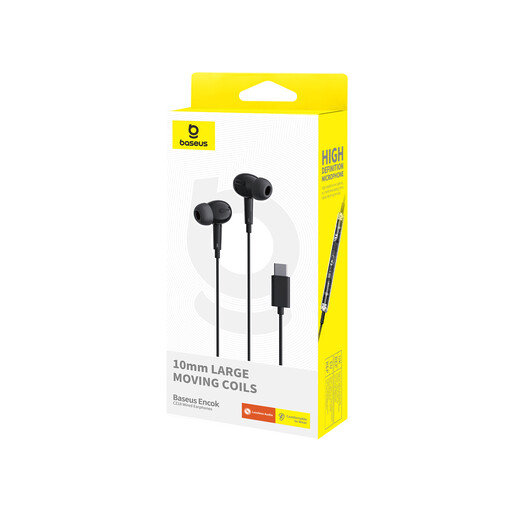 No image available
Baseus Encok CZ18 Wired Earphones, Black
Consider this wired option for playing a prepared harmony part.
Check that the Type-C connection and audio output on your playback device are compatible.
View at Joybuy
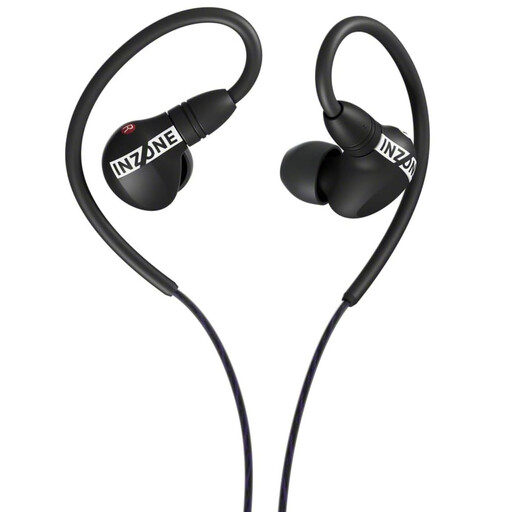 No image available
Sony MDR-EX110AP Earphones, Metallic Black
Consider this wired option for playing a backing track if the connection is compatible with your playback device.
The product description advises against exposing the earphones to water, sweat or excessive moisture.
View at Joybuy
Frequently asked questions
Are IEM earphones and a mobile phone enough to hear my own voice live in my ears?
For an audio file, a compatible audio output may be enough. To monitor your own voice electronically, the microphone signal needs to reach the earphone via a suitable mixing or monitoring setup; passive earphones don’t provide this signal path.
What can I do if one earphone suddenly sounds quieter?
For Shure earphones, the manufacturer lists earwax, dust or other debris around the sound outlet as possible causes. Check the cleaning instructions for your specific model, as well as the fit and audio source, before turning up the volume.
What are my rights when buying in-ear headphones online in Germany?
For a distance purchase from a business seller, you generally have a 14-day right of withdrawal from the date you receive the goods. Section 312g of the German Civil Code (BGB) sets out exceptions, including certain unsealed goods that are unsuitable for return for health or hygiene reasons; whether this applies to a particular pack of earphones cannot be determined in general. You may also have claims if goods are faulty, which are separate from any voluntary manufacturer’s guarantee.
What should I bear in mind with Bluetooth or wireless devices for the German market?
As part of its market surveillance, the Bundesnetzagentur lists CE marking, traceability, manufacturer details and German-language instructions among the criteria it checks. This doesn’t amount to a general statement about whether an unspecified stage wireless system, or its frequency, is permitted at a particular campsite.


