What should you look for when buying?
First decide whether isolation, sound profile or fit matters most to you. Then check whether your device is compatible with the wired connection, or whether a wireless model with ANC and the need for regular charging would suit your everyday routine better.
| What matters |
What to check before buying |
Who is this important to? |
| Isolation from household noise |
Check the ear tip sizes and try for a comfortable, snug fit; don’t treat manufacturers’ isolation figures as a personal measurement. |
If I listen at home, I don’t want to drown out background noise by turning the volume up, so I check the fit first. Around 36% of consumers put isolation first. |
| Sound profile for hearing chords |
Compare familiar parts of songs at the same volume; a “neutral” label doesn’t guarantee that you’ll identify particular chords. |
If I want to pick out individual chord notes, a clear, balanced sound matters more to me than powerful bass. Around 29% of consumers prioritise sound profile. |
| Fit for repeated listening |
Try the supplied ear tip sizes and check the fit; see whether compatible tips are available. |
If I’m planning longer or repeated listening sessions, I want my in-ear headphones to feel comfortable and create a reliable seal. Around 21% of consumers prioritise fit. |
| Connections and wear parts |
Check the audio output, any adapter you may need and the compatible replacement cable connection. |
If I want to use a wired model or replace a wear part, the connection must be compatible with my device and that exact model. Around 14% of consumers prioritise connections and replaceable parts. |
Joybuy products
This selection includes wired and wireless in-ear options with noise cancelling. The key considerations are still a compatible device connection, a comfortable fit and a sound profile that suits what you want to hear.
 No image available
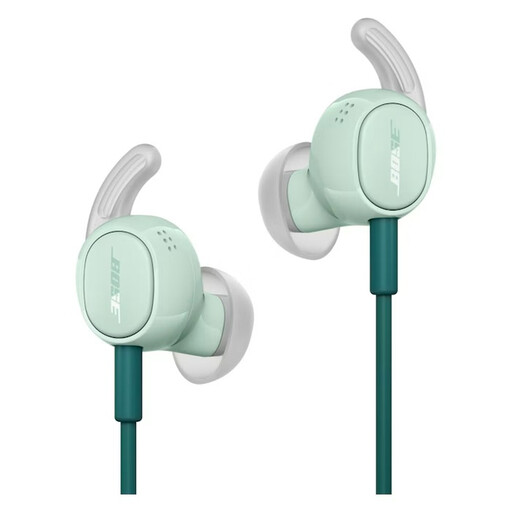
Bose Noise Cancelling Wired Earbuds, Dewdrop Mint
These wired in-ear headphones with noise cancelling are worth considering if you want to listen without having to charge them. First, check that your playback device supports the required USB-C audio connection.
View at Joybuy
 No image available
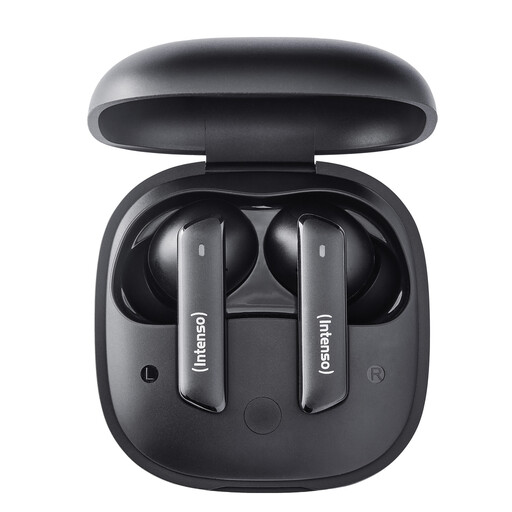
Intenso 3720500 Buds Pro T500HAE, Black
This wireless ANC option could suit you if you’d rather not have a cable getting in the way. Compare its sound profile using familiar parts of songs, and check whether ANC helps with the household noises you usually hear.
View at Joybuy
 No image available
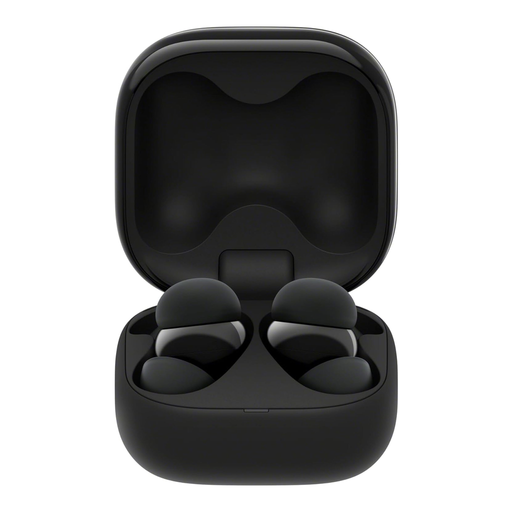
Sony LinkBuds Fit, Black
This wireless ANC option may suit focused listening if you don’t want to use a cable. Check the fit and compare the sound profile using familiar parts of songs, rather than assuming that ANC or EQ alone will help you identify chords.
View at Joybuy
 No image available
Samsung Galaxy Buds4 Pro, Black
These wireless ANC in-ear headphones are an option if you want to listen without a cable. As the product details highlight deep bass, try them with familiar parts of songs to see whether the sound profile suits what you’re looking for.
View at Joybuy
 No image available
HUAWEI FreeBuds Pro 4, Black
This wireless ANC option could be worth considering if you want the freedom to move without a cable. The product details highlight powerful bass and clear treble, so try familiar parts of songs to see whether the tuning suits your chord-listening needs.
View at Joybuy
Frequently asked questions
Will neutral-sounding in-ear headphones automatically help me identify every chord?
No. Balanced sound can be a useful thing to look for, but instruments may already mask one another in the recording. Listen to tricky sections repeatedly and see whether the tuning genuinely helps you.
How should I fit and care for my earphones if I use them often?
Try the supplied ear tip sizes to find a comfortable, snug fit. Keep the earphones dry and clean removable tips according to the manufacturer’s instructions. Etymotic, for example, recommends using a damp cloth to clean its tips.
What should I know about replacement parts and faults?
Before buying, check the connection you need, as well as the availability and fit of replacement cables and tips for that exact model. Your statutory rights if a product is faulty are separate from any additional manufacturer’s warranty. The general limitation period for relevant claims relating to defects under sales law is two years from delivery.
Can I always return in-ear headphones bought online in Germany after trying them on?
Not in every case. Distance contracts generally come with a right to cancel. However, § 312g BGB provides for exceptions, including sealed goods that aren’t suitable for return for health protection or hygiene reasons if the seal has been removed after delivery. Check the product and cancellation information to see whether these conditions apply in your case; this doesn’t mean that all in-ear headphones are automatically excluded from returns.
How can I listen at home without turning the volume up unnecessarily?
Check the fit and isolation first, rather than simply turning the volume up to drown out household noise. The WHO identifies volume and listening duration as factors that both matter for safe listening.


