People checking voices
If you listen to tricky parts of an interview several times, you’ll want to assess the speaker and the words at a comfortable volume. Bear in mind that headphones can’t remove interference already present in the recording.


If you’re repeatedly checking voices in a downloaded club recording somewhere quiet, well-fitting wired in-ear monitors with the right audio connection are a natural place to start. If noise around your listening area is the problem, wireless in-ear headphones with ANC may be more practical. Sony explains that ANC is designed to address surrounding noise, not interference already present in the recording. Check the fit and how voices sound using the same passage at a comfortable volume.
If you listen to tricky parts of an interview several times, you’ll want to assess the speaker and the words at a comfortable volume. Bear in mind that headphones can’t remove interference already present in the recording.
If other sounds are drowning out your playback, a good fit and, where appropriate, ANC can help. Sound claims alone don’t tell you how well a pair will block out noise where you’re listening.
If you’re working on a recording for a while, look for a comfortable fit and avoid turning the volume up because the ear tips aren’t sitting properly.
A good fit if: you want to listen to the same parts repeatedly on a device with a compatible 3.5 mm output or the right adapter.
Bear in mind: the connection and fit need to be right; passive noise isolation depends partly on the ear tips.
A good fit if: noise where you’re listening is a distraction, or you want to move between listening areas without a cable.
Bear in mind: you’ll need a compatible Bluetooth device and must charge the battery; ANC won’t remove club noise already captured in the recording.
| What matters | What to check when buying | Who should consider this? |
|---|---|---|
| Checking quiet voices | Compare the same passage with your file and make sure the volume is comfortable. | If you want to make out the speaker and words in tricky sections, checking voices will be your main priority. Around 30% of consumers rank this as their top concern. |
| Reducing noise where you’re listening | Check the available ear-tip sizes and fit; if available, try ANC and ambient mode in your usual listening area. | If conversations or other sounds in the room interfere with playback, blocking out noise where you’re listening is your main concern. Around 30% of consumers prioritise this. |
| Comfort during longer listening sessions | Check the available ear-tip sizes and how the headphones feel over a typical working session. | If you’re working on the recording for longer, you’ll want a comfortable fit and a volume you don’t have to turn up because the ear tips aren’t sitting properly. Around 20% of consumers put comfort first. |
| Connecting to your playback device | Check for a suitable 3.5 mm output or adapter, or Bluetooth support; if you choose a wireless model, remember to factor in charging. | If your device requires a particular connection or you want to move around without a cable, make sure the headphones will connect to your playback device. Around 20% of consumers prioritise connectivity or freedom of movement. |
The WHO gives an average of 80 dB for up to 40 hours a week as an example of safe listening. You can’t tell the sound pressure level from a volume percentage display alone.
ANC deals with noise around you. Additional noise where you’re listening and interference already recorded in the file are two different problems.
Listen to the original passage at a comfortable volume, and don’t expect ANC to restore words drowned out in the recording. Separate noise reduction can also have its limits when speech is hard to distinguish from background noise.
The figures from Shure and Sennheiser refer to different models and aren’t a reliable basis for a direct performance comparison. How well a pair blocks out noise depends partly on its fit.
Compare the fit and listen to the same speech passage in your usual listening area, rather than relying on a manufacturer’s figure to judge how clear your recording will sound.
With wired models, the output on your playback device needs to match the headphone connection. Audio-Technica lists a 3.5 mm plug and a proprietary A2DC connection on the headphones for the ATH-E40.
Before buying, compare your device’s connections with those on the exact model. If you need a replacement cable, check that it fits the headphone connection.
Depending on your device, you may need a suitable audio adapter; a replacement cable must fit the connection on your particular headphones.
The wired SE215 is an option for repeated listening, provided your device has a suitable 3.5 mm output.
The IE 100 PRO is a wired monitoring option; the separately named Wireless version comes with different accessories.
The ATH-E40 is a wired monitoring option if you have a suitable 3.5 mm connection.
The WF-1000XM5 is a wireless ANC alternative if noise where you’re listening is a distraction.
The products below include wired in-ear headphones and wireless models with noise cancelling, to suit different listening environments and device connections.
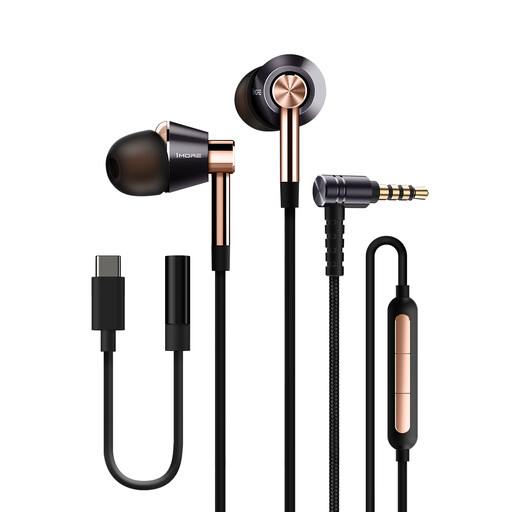 No image available
The wired version is worth considering for repeated listening if your device has the right connection.
The product is described as a Triple Driver model and comes with nine sets of ear tips: six silicone and three foam. An in-line microphone is also listed.
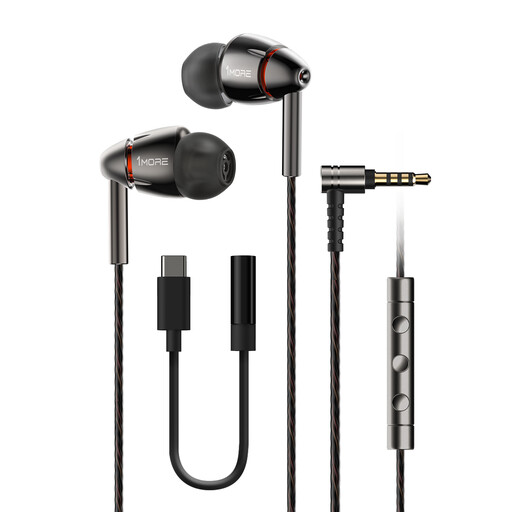 No image available
The wired version is an option if you want to listen repeatedly using a compatible audio device.
The product is described as having four drivers and an in-line remote with a microphone. According to the description, the box includes eight pairs of ear tips and a 3.5 mm to USB-C adapter.
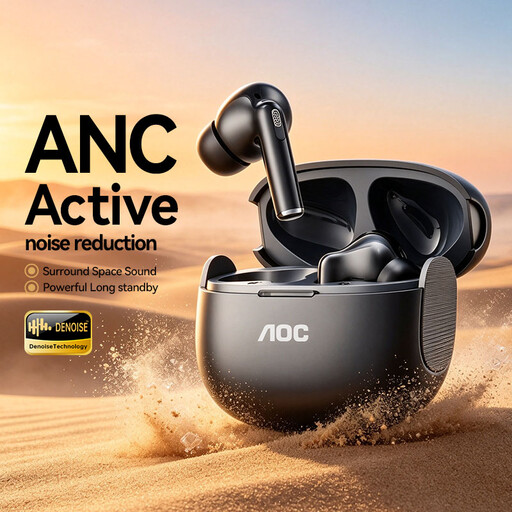 No image available
These wireless in-ear headphones with ANC are worth considering if you want to tackle noise in your listening area.
Bluetooth 5.4 and active noise cancelling are listed. Check that they connect to your playback device, and bear in mind that ANC won’t remove club noise already captured in the recording.
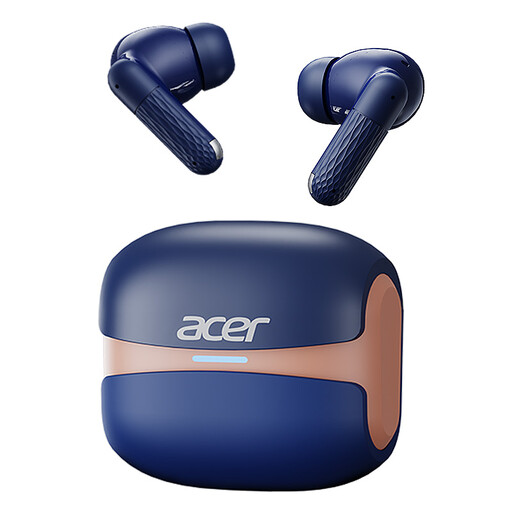 No image available
The wireless version is an option if your playback device supports Bluetooth.
Bluetooth 5.4, noise cancelling, touch controls and a USB-C charging case are listed. Check that the features on offer suit your listening environment.
 No image available
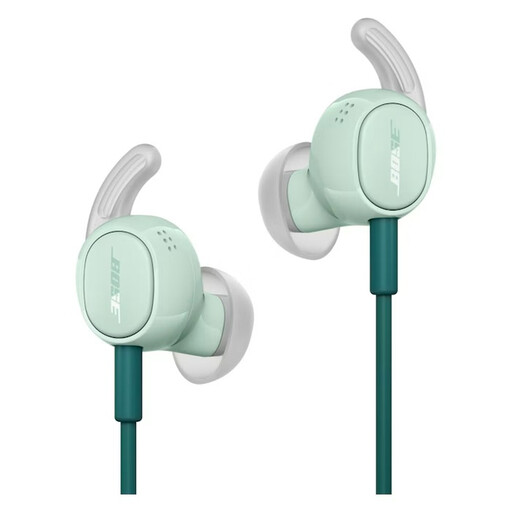
The wired version may suit you if your device supports direct USB-C audio playback.
The product description lists three listening modes, QuietControl noise cancelling and silicone ear tips in S, M and L. Check the USB-C connection and how they fit your ears.
No. ANC deals with noise around you; it doesn’t alter the saved file. Separate noise reduction can also struggle if speech is too quiet compared with the interference or sounds too similar to it.
For wired models, your device’s audio output must match the plug, or you’ll need a suitable adapter. Wireless in-ear headphones require a compatible Bluetooth device and charged headphones. Then check the fit and playback using an interview passage you know well.
Keep the volume comfortable and take breaks instead of continually turning it up to hear quieter sections. The WHO gives an average of 80 dB for up to 40 hours a week as an example of safe listening; you can’t tell the sound pressure level from a volume percentage display alone.
For qualifying distance purchases, you generally have a 14-day right to cancel from the date of delivery; exceptions and conditions for return postage apply. The European Union’s consumer information also explains that faulty goods are covered by a legal guarantee of at least two years from receipt, which you can claim from the seller. Check the specific returns information before you buy.