Apprentices in face-to-face lessons
If you’re listening to your teacher in the room, it’s important to keep hearing their voice and any questions. Being aware of your surroundings may matter more than having the strongest possible passive isolation.


The key question is whether you’re listening to your teacher in the room or through a device. In-ear headphones that provide strong isolation are better suited to audio played through a device than to a quiet voice in the room. For recordings, look for a comfortable fit and a connection that works with your device. For live lessons, the fit shouldn’t block out the teacher’s voice any further. Manufacturers’ claims about noise isolation don’t prove that you’ll understand speech better in your particular lesson.
If you’re listening to your teacher in the room, it’s important to keep hearing their voice and any questions. Being aware of your surroundings may matter more than having the strongest possible passive isolation.
If the audio is coming from your device, look for a good fit and comfortable listening at a moderate volume.
If you need to speak, the microphone and connection should work with your device; headphones without a microphone won’t automatically offer this function.
First, work out how the audio will reach you. Shure explains that passive isolation also blocks out speech around you. For audio played through a device, also check the fit, connection and a comfortable volume. The World Health Organization notes that both volume and listening time affect your sound exposure.
| Consideration | What to check before buying | Who is it important for? |
|---|---|---|
| Quiet live voice | Check how the audio reaches you; don’t confuse the need to hear your surroundings with voice amplification. | If you’re listening to your teacher in the room, you won’t want the fit of the earpieces to block out their voice and questions even further. Around 33% of consumers put this consideration first. |
| Audio played through a device | Test a quiet passage on your own device; choose suitable eartips and a comfortable volume. | If the lesson is a recording or is streamed to you, you’ll want to hear quiet words clearly despite distractions, without turning the volume up unnecessarily. Around 33% of consumers prioritise audio played through a device. |
| Fit for longer sessions | Check the eartip sizes and materials, and see whether replacements are available for the specific model. | If you wear in-ear headphones throughout a longer lesson, they should fit your ears and stay comfortable. Around 20% of consumers prioritise long-term comfort. |
| Connection and speaking | Check the device connection, microphone and what’s included; if you’re buying a replacement cable, make sure the connector is right. | If you need to speak during an online session or replace a cable, you’ll need a compatible microphone and connection. Around 14% of consumers prioritise connectivity and being able to speak. |
Passive isolation can also make your teacher’s voice quieter if it isn’t being played electronically through your headphones.
Before choosing, check whether you need to hear a live voice in the room or audio from your device. For face-to-face lessons, take how much you can hear around you into account.
The Shure AONIC 215 is described as coming with a 3.5 mm cable and microphone. Don’t assume other versions have the same features without checking.
Compare the full model and variant names, as well as the details of the microphone and connection.
According to the manufacturer, the Westone Audio AM Pro X10 uses a proprietary T2 cable, while the beyerdynamic DT 30 IE has an MMCX connector.
Check that the replacement cable’s connector matches your exact model and your device’s audio output.
Depending on the model and device, you may also need a compatible replacement cable or an adapter.
Passive isolation doesn’t prove that in-ear headphones are suitable as hearing protection. Your own listening volume still matters, even when outside noise is blocked.
Listen at a moderate volume while studying. If hearing protection is required at your training venue, check the requirements separately.
The AM Pro X10 is a wired monitor with passive ambient sound pass-through.
The ER2SE is a wired in-ear model for audio played through a device, where a good seal in the ear is important.
The IE 100 PRO Clear is a wired monitor with interchangeable eartips.
The AONIC 215 is an in-ear model with an in-line microphone for audio-based, interactive lessons.
The DT 30 IE is a wired monitor with an MMCX connector.
The following Joybuy models are options for lessons played through a device. Depending on your device and whether you need to speak, you can choose a wired or Bluetooth connection.
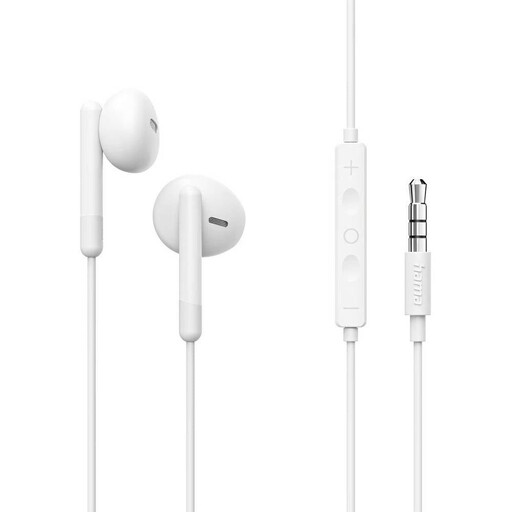 No image available
For lessons played through a device and speaking yourself: the product description lists an integrated microphone and an in-line remote.
The cable is 1.2 m long and has a 3.5 mm connector. Your device needs a compatible audio connection.
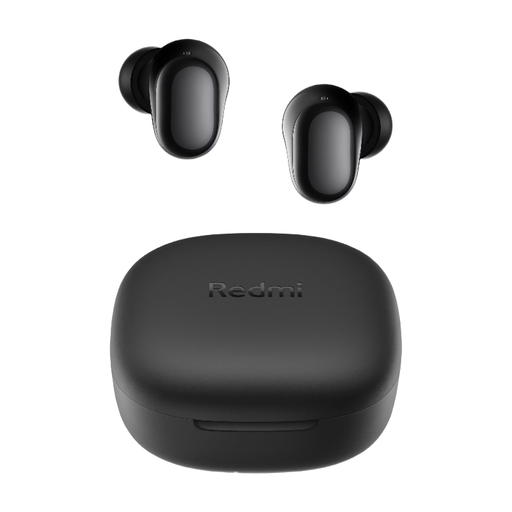 No image available
For a lesson played through a device: the product description lists Bluetooth playback and three transparency modes.
If you’re listening to a live voice in the room, how much you hear around you depends on the setting you choose.
 No image available
For wireless listening, the product description lists Bluetooth, ANC and Ambient mode.
Ambient mode is the stated setting for hearing your surroundings; the model also offers ANC.
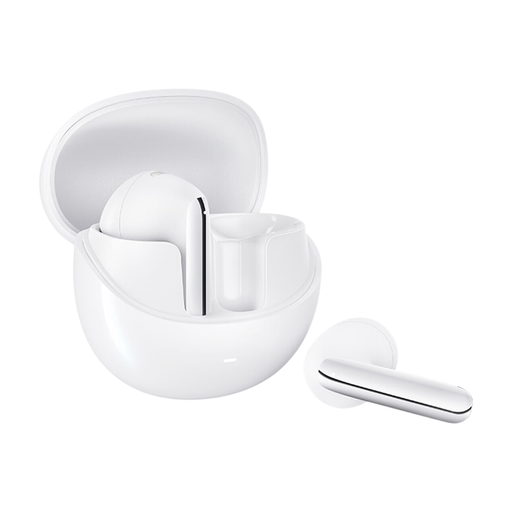 No image available
For lessons played through a device and speaking yourself: the product description lists Bluetooth playback and an integrated microphone.
The description lists ANC and a transparency mode; for live voices, transparency mode is the stated alternative to ANC.
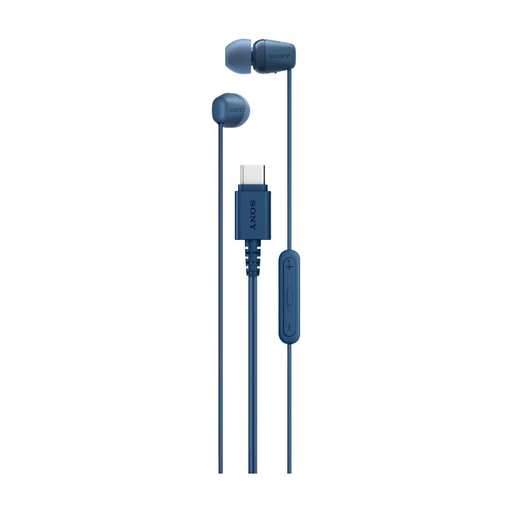 No image available
For lessons played through a device and speaking yourself, the product description lists an integrated microphone and an in-line remote.
The in-ear headphones have a USB-C connector and eartips in several sizes. Your device needs to support USB-C.
Not necessarily: passive isolation can also block out speech around you. If the teacher’s voice isn’t being played through your headphones, make sure you can still hear them in the room. Ambient sound pass-through doesn’t prove that their voice will be amplified.
Try the sizes supplied for your specific model to find a comfortable fit. For the IE PRO series, Sennheiser recommends using a soft, dry cloth and warns against letting liquid get inside the housing. Follow the instructions for your particular model.
For online purchases from a business seller in the EU, you generally have 14 days from delivery to withdraw from the purchase. Goods also come with a minimum two-year legal guarantee. The European Union’s Your Europe website distinguishes the right to withdraw from claims relating to faulty goods; specific exceptions depend on the circumstances.
Not without limit: the World Health Organization notes that both volume and listening time affect your sound exposure. Choose a comfortable, moderate volume and first check the fit, connection and playback settings.