For making small mix adjustments on a long flight, a wired in-ear monitor that stays securely in place and has a restrained tuning is a sensible starting point. Etymotic describes the ER2SE as having a flat response. If cabin noise tempts you to turn the volume up, look for a comfortable seal rather than relying on advertised noise-isolation figures alone. Check important decisions about bass and stereo width later on another listening system.
Who are in-ear headphones for comparing mixes suitable for?
Listeners comparing mix details
If you’re comparing prepared versions for subtle changes in level or sound, it’s important to have a listening reference that stays as consistent as possible. Etymotic describes the ER2SE as having a flat response; iZotope points out that the frequency response of headphones can affect how you perceive a mix.
Those bothered by cabin noise
If you want to hear quiet passages without continually turning up the volume, a good fit and comfortable isolation matter. Shure and Etymotic provide noise-isolation figures for specific models. The World Health Organization recommends noise-reducing headphones to help reduce the temptation to turn up the volume in noisy surroundings.
Long-haul listeners
If you plan to listen for extended periods, the eartips and housings should suit your ears. Shure lists several eartip options for the SE215, while Sennheiser describes the IE 100 PRO as having a low-profile fit and different eartips. Comfort is still a personal matter.
What should you look for when choosing?
First, check that the tuning suits the way you compare mixes. Then consider a comfortable fit in a noisy cabin and a connection that works with your playback source and complies with your airline’s rules.
| What matters |
What to look for when buying |
Who is this most important for? |
| Sound tuning |
Check the tuning of the exact model variant and compare familiar reference tracks. Listen to important changes on another system later. |
If I want to judge subtle mix changes without mistaking a characteristic of the headphones for a change in the mix, tuning comes first for me. Around 36% of consumers give this priority. |
| Isolation from cabin noise |
Look for a secure but comfortable fit, and keep an eye on the playback volume. |
If I want to hear quiet parts of a mix despite cabin noise, without turning the volume up unnecessarily, a good level of isolation matters most to me. Around 29% of consumers prioritise this. |
| Fit on a long flight |
Check the sizes and materials of the supplied eartips. Try them out before travelling, taking breaks and listening for a realistic length of time. |
If I’m planning longer listening sessions, I want the eartips to feel comfortable while still providing a good seal. Around 21% of consumers put long-term comfort first. |
| Connection while travelling |
Check that the connection and supplied accessories work with your playback source. Check your airline’s requirements before you fly. |
If I want to connect the headphones to my existing source and use them reliably while travelling, the type of connection is essential. Around 14% of consumers prioritise connection flexibility. |
Which common buying mistakes should you avoid?
-
Assuming the highest advertised noise-isolation figure reflects how well they’ll fit you
Etymotic and Shure quote figures for different models, so they don’t directly compare how the headphones will fit your ears. A stated maximum doesn’t predict how well they’ll block out noise for you in an aircraft cabin.
Check the eartips and fit in both ears. Don’t treat manufacturers’ figures as a real-world fit test.
-
Mistaking boosted bass for a change in the mix
Etymotic describes the ER2SE and ER2XR as having different bass tunings. A change in headphone tuning can affect how you perceive changes to the bass in a mix.
Check the exact model variant, compare familiar reference recordings and listen to important decisions on another system later.
-
Assuming every IE 100 PRO variant comes with a Bluetooth module
Sennheiser specifically lists a Bluetooth module for the IE 100 PRO Wireless; it isn’t automatically included with every IE 100 PRO version.
Before buying, check the full variant name and what’s included.
Depending on your playback source, you may need extra compatible accessories for the connection you want.
Key brands at a glance
Etymotic
Etymotic describes the ER2SE as a flat-tuned option for comparing mixes. The ER2XR is a separate variant with boosted bass.
- Etymotic quotes passive noise isolation of 35–42 dB for the ER2SE and says it has a replaceable cable.
- The noise-isolation figure is a manufacturer’s claim, not a measurement of how the headphones fit your ears. Take the ER2XR’s bass tuning into account separately when judging mixes.
Shure
According to Shure, the wired SE215 comes with several eartip options and a detachable cable.
- Shure lists a 3.5 mm connection, an MMCX connector on the headphones and noise isolation of up to 37 dB.
- The manufacturer also promotes deep bass. Noise-isolation figures and fit information guarantee neither a neutral sound nor a fit that suits you personally.
Sennheiser
The IE 100 PRO is described as a wired monitoring IEM. The version specifically named IE 100 PRO Wireless adds a Bluetooth module.
- Sennheiser describes a low-profile fit and a choice of eartips.
- The IE 100 PRO datasheet specifies noise attenuation of less than 26 dB. The manufacturer lists the Bluetooth module and standard PRO cable as included with the Wireless version; check the exact model variant.
Westone Audio
The AM Pro X10 is an alternative if being aware of your surroundings matters more than achieving the strongest possible isolation.
- Westone describes a passive filter that lets ambient sound through alongside the monitor signal.
- The manufacturer describes this feature for stage use, but that doesn’t prove it will make mix details easier to hear in a noisy aircraft cabin.
beyerdynamic
The wired DT 73 IE is positioned by the manufacturer for stage and studio use, particularly with classical and keyboard instruments.
- beyerdynamic lists a 3.5 mm plug and a tuning tailored to the uses described.
- The manufacturer’s description of linear bass and midrange reproduction between 20 Hz and 1 kHz doesn’t establish neutrality across the full frequency range or for your individual ears.
Joybuy in-ear headphones for travelling
This selection of Joybuy in-ear headphones includes both wired and true wireless options. For comparing mixes, pay particular attention to the connection, tuning and fit.
 No image available
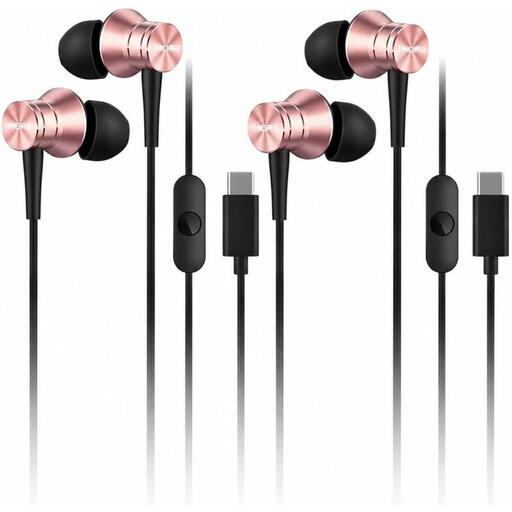
1MORE Piston P10 Wired Earphones, Type-C Version, Pink
A wired option for listening with a compatible USB-C audio source; the seller describes additional silicone eartips and a lightweight metal construction.
Your playback source must support USB-C audio. The product description calls the sound balanced, but it’s still worth comparing the tuning with a reference when making important mix decisions.
View at Joybuy
 No image available
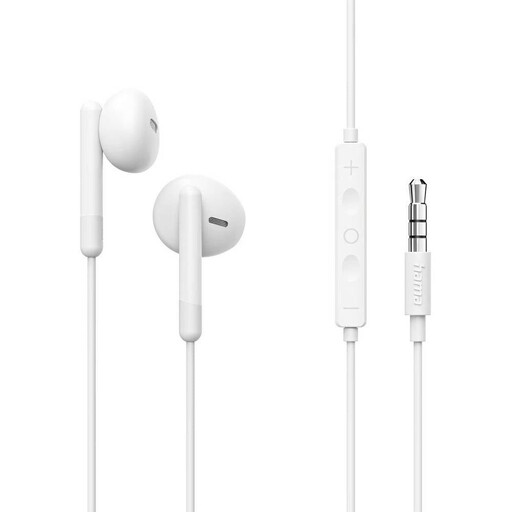
Noble wired in-ear headphones, 3.5 mm connection, white
A wired option if your playback source has a compatible 3.5 mm output.
The description lists an integrated remote control and a lightweight design. If your source doesn’t have a headphone socket, you may need a compatible adapter.
View at Joybuy
 No image available
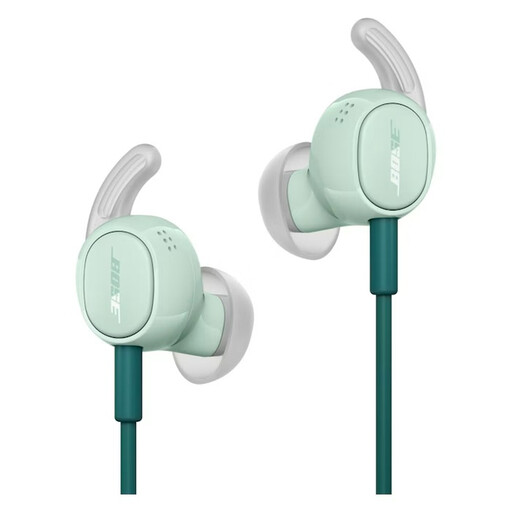
Bose Noise Cancelling Wired Earbuds, Dewdrop Mint
A wired option if you want to use noise modes and adjust the fit with different eartips.
The product description lists ANC, an awareness mode and eartips in three sizes, plus stability bands in two sizes. A compatible USB-C device is required.
View at Joybuy
 No image available
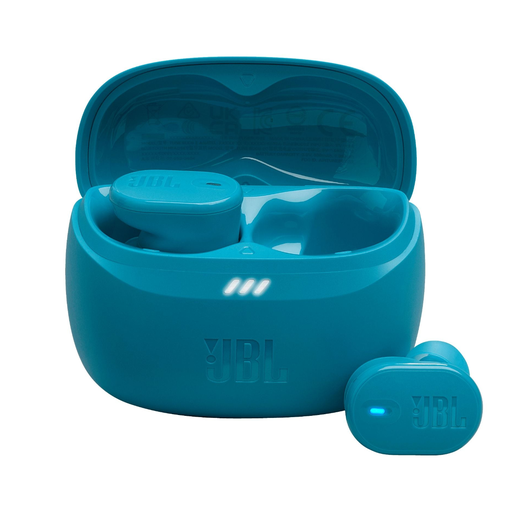
JBL Tune Buds 2 True Wireless, Teal
According to the product description, these true wireless earbuds feature ANC, Smart Ambient and an adjustable equaliser in the JBL app.
The description highlights Pure Bass, so bear this sound profile in mind when judging bass changes in a mix. It quotes up to 10 hours of playback with ANC on.
View at Joybuy
 No image available
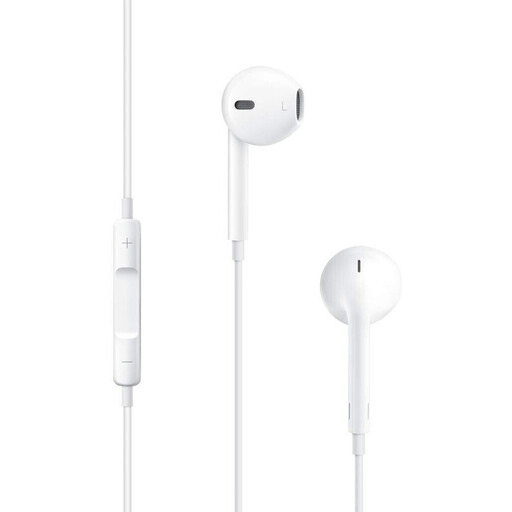
Apple EarPods with 3.5 mm connection
A wired option for a playback source with a 3.5 mm headphone output.
The product description lists an integrated remote control and an ergonomic shape. If your source doesn’t have a headphone socket, you’ll need a compatible adapter.
View at Joybuy
Frequently asked questions
Can I make final decisions about mix changes on a plane?
You can compare versions and make a note of anything that stands out, but you should check important decisions later on another listening system. iZotope points out that headphones and speakers can reproduce the same mix differently. This is especially relevant to bass, stereo width and how well the mix translates.
How can I keep an eye on the volume during a long flight?
Make sure the fit is comfortable, avoid listening louder than necessary and take breaks. The World Health Organization gives 80 dB for up to 40 hours per week as a general example; without measuring the sound, you can’t use this to determine a safe volume setting for your specific headphones.
Can I use Bluetooth in-ear headphones throughout the flight?
Not necessarily. According to the European Union Aviation Safety Agency, each airline can decide whether portable electronic devices may be used, based on its own safety assessment. Follow your airline’s requirements and the crew’s instructions.
Can I always cancel an in-ear headphone purchase after removing a hygiene seal?
No, but not every opened package is automatically excluded from the right to cancel. Section 312g(2)(3) of the German Civil Code (BGB) concerns sealed goods that are unsuitable for return for reasons of health protection or hygiene, if their seal has been removed after delivery. Whether these conditions apply to a particular offer must be assessed on a case-by-case basis.


