Detail-focused mix checkers
If you regularly compare small changes to levels, vocals or instruments, look for a sound profile you can rely on rather than simply opting for powerful bass.


If you want to assess subtle mix changes in a busy office, start with a well-fitting in-ear monitor with a suitable sound profile, then compare familiar passages at a consistent, moderate volume. A tuning designed for mixing may matter more for this task than powerful bass. However, the actual seal depends on fit, and strong isolation can make conversations or warning signals harder to hear.
If you regularly compare small changes to levels, vocals or instruments, look for a sound profile you can rely on rather than simply opting for powerful bass.
If conversations and other office sounds get in the way of your comparisons, the right ear tips and a good seal matter. The World Health Organization recommends well-fitting headphones to reduce the temptation to turn up the volume in noisy environments.
If you wear your headphones for extended periods at work, weigh up a comfortable fit and replaceable parts against the need to hear colleagues and workplace warning signals. The German Federal Institute for Occupational Safety and Health identifies missed warning signals and communication problems as potential hazards.
For comparing mixes in a busy office, the key factors are a good seal, a suitable sound profile, a comfortable fit and compatibility with your existing listening setup.
| What matters | What to check before buying | Who this matters most to |
|---|---|---|
| Isolation without turning up the volume | Check that ear tips are available in suitable sizes and materials; don’t treat stated attenuation figures as a personal measurement. | If I want to hear quiet details despite office noise, I need a snug, comfortable fit rather than simply more volume. Around 36% of consumers say isolation is their main buying priority. |
| Tuning for comparing mixes | Compare the tuning of the specific model and familiar reference mixes at the same volume. | I want to assess small changes in tonal balance and detail, without an emphasised frequency range skewing the comparison. Around 29% of consumers check tonal balance first. |
| Fit and awareness | Check the sizes and materials of the ear tips, as well as how much pressure they create; consider any workplace requirements for hearing colleagues and warning signals. | For longer listening sessions, I need a fit I can tolerate while staying aware of whether I need to hear important signals in the office. Around 21% of consumers prioritise comfort and awareness. |
| Connections and replacement parts | Check your device’s output, whether you need an adapter and whether the cable connector system is compatible; replacement parts must fit the relevant connection. | I want to connect my headphones to my existing listening setup without incompatible connections, and be able to find suitable replacement parts. Around 14% of consumers say connections and maintenance are their main concerns. |
Your ear shape, the ear tip and the fit all affect how well in-ear headphones actually seal. Bass can also sound different if the fit isn’t airtight.
Try suitable ear tips and don’t treat the manufacturer’s attenuation figures as a personal measurement.
A single product feature doesn’t prove that the tuning is right for your mixing decisions. An emphasised frequency range can affect how you perceive changes.
Compare the tuning with familiar reference mixes, especially before making bass adjustments.
Returns and cancellation rights depend on the specific purchase and the terms that apply. Information about seals and hygiene cannot be applied in the same way to every pair of in-ear headphones.
Before opening the packaging, read the seller’s cancellation information and check the terms for sealed goods and returns.
beyerdynamic specifically positions the DT 70 IE in its DT in-ear range for mixing and critical listening.
Etymotic positions the ER2SE as a studio model with a flat sound profile and passive isolation.
Audio-Technica offers the ATH-E70 for monitoring and studio mixing.
The SE215 is a passive monitoring option with replaceable ear tips and cable.
The IE 100 PRO is part of Sennheiser’s professional monitoring range and can be used with a wired connection.
This selection includes wired in-ear headphones with USB-C or 3.5 mm connections, as well as wireless models for listening in the office. For critical mixing decisions, you should still compare the sound profile with familiar references.
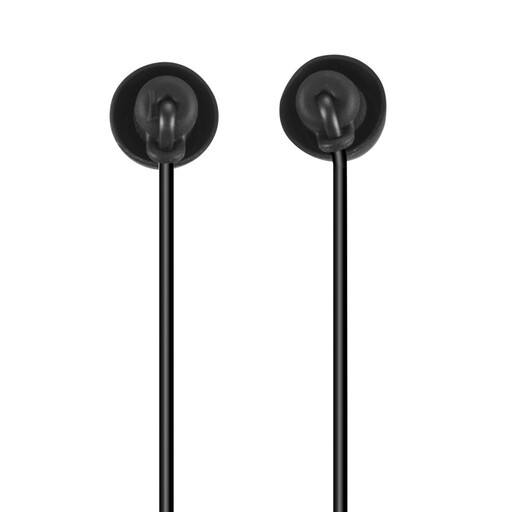 No image available
For wired listening when your device has a compatible USB-C audio output.
The product name mentions a built-in microphone and cable strain relief.
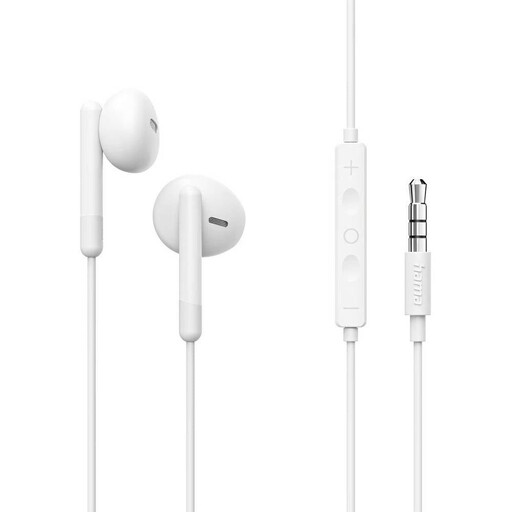 No image available
For wired listening, provided your playback device has a compatible 3.5 mm headphone output.
The product name mentions a built-in microphone.
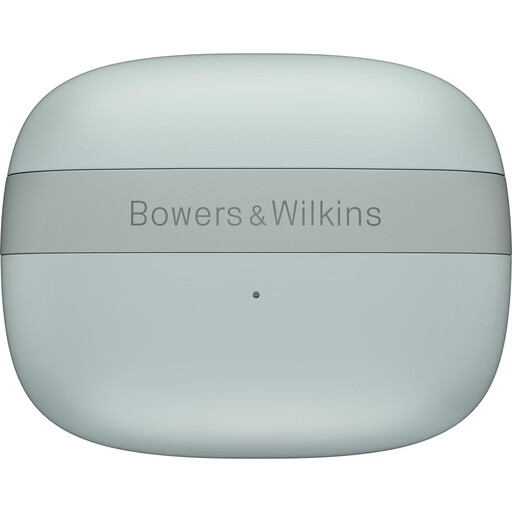 No image available
For listening in the office when you want wireless operation and ANC. For critical decisions, compare the same mix passages with familiar references too.
The product name mentions Bluetooth 5.4, Multipoint, 12 mm bio-cellulose drivers and up to 8 hours of battery life.
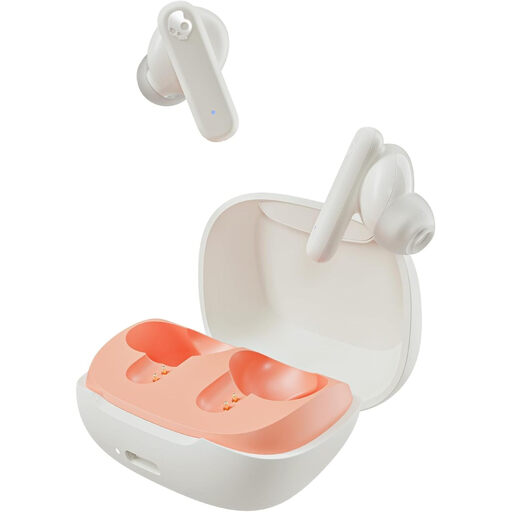 No image available
If you’re considering this model for comparing mixes, check bass changes against familiar references too: the product description highlights powerful bass.
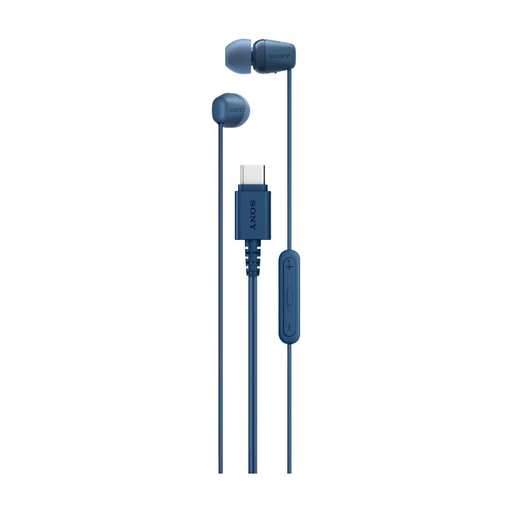 No image available
For wired listening when your device has a compatible USB-C audio output. When making mixing decisions about bass changes, compare with familiar references too, as the product description highlights powerful bass.
The product name mentions a built-in microphone.
Try suitable ear tips in both ears and listen to a familiar bass passage at a moderate volume. Shure’s SE215 guide notes that a lack of bass can indicate a poor seal; don’t force an ear tip further into your ear.
Check whether your playback device has a compatible output or needs an adapter, and make sure the cable connector system matches any replacement parts you might need. The ATH-E70, for example, comes with a 3.5 mm plug, a 6.3 mm adapter and a detachable A2DC cable; Shure’s SE215 guide explains how to replace the ear tips and cable.
For a consumer purchase, statutory rights for faulty goods are separate from any claim under a voluntary manufacturer’s guarantee. The Verbraucherzentrale (German consumer advice centre) says the seller is the contact for faults and that the statutory warranty generally lasts for two years from delivery; the circumstances of each case still matter.
Not without checking the details first: for a distance purchase from a business seller, there is generally a 14-day right to cancel from the date of delivery, although exceptions may apply. Before opening the packaging, check the seller’s cancellation information and the terms on seals, hygiene and possible return costs.
That depends on whether you need to hear colleagues and warning signals in your particular workplace. The German Federal Institute for Occupational Safety and Health identifies missed warning signals and communication problems as potential hazards, so make sure your use meets the requirements of your workplace.