For listening to opera on the train, well-fitting, passively isolating wired in-ear headphones are a good choice if sound tuning and listening without relying on a headphone battery matter more to you than wireless controls. If you want to switch between noise cancellation and ambient sound while travelling, consider wireless ANC in-ear headphones with an ambient mode. No design guarantees a comfortable fit or that announcements will be clear, so check the fit, connection and controls for your journey.
Who are the different types of in-ear headphones suited to?
Opera listeners who focus on vocals
If you want to listen to voices and orchestra with your preferred sound profile, and your playback device has a suitable audio connection, you can compare wired models. Judge the sound balance using recordings you know well.
Travellers in noisy carriages
If you don’t want to drown out ambient noise by turning up the volume, look for a good fit and passive noise isolation, or consider wireless ANC models. How well they work depends on the model and the fit.
Travellers who need to hear announcements
If you need to keep up with travel information during your journey, easy-to-reach pause controls or an ambient mode are important features to check. Neither feature guarantees that every announcement will be clear.
What matters when listening to opera on the train?
Check the fit and sound profile first, before turning up the volume to overcome train noise. The World Health Organization recommends well-fitting or noise-cancelling headphones to help you avoid turning up the volume in noisy environments.
Wired, passively isolating in-ear headphones
A good choice if: You want to compare a particular sound profile and listen without relying on a headphone battery.
Things to consider: Check your playback device’s connection; a tight seal can make announcements harder to hear.
Wireless in-ear headphones with ANC and ambient mode
A good choice if: You want to listen wirelessly and switch between noise cancellation and a mode that lets in ambient sound when needed.
Things to consider: You’ll need to charge and look after the case; an ambient mode doesn’t guarantee that announcements will be clear.
Semi-open, adjustable wired in-ear headphones
A good choice if: You want to adjust the sound profile yourself and strong noise isolation isn’t your top priority.
Things to consider: A semi-open design alone doesn’t tell you how effectively the headphones will block out noise on a train.
| Priority |
What to check before buying |
Who it matters most to |
| Noise isolation without turning up the volume |
Ear tip sizes and a comfortable, secure fit; the ability to pause playback quickly. |
If train noise drowns out quieter passages of opera, you’ll want to listen at a moderate volume. Around 25% of consumers put noise isolation first. |
| Sound profile for vocals and orchestra |
Compare familiar recordings at a similar volume; take different sound profiles into account. |
If you want to hear voices and orchestra in a way that suits your personal taste, the sound profile matters more than the number of drivers. Around 25% of consumers prioritise sound balance. |
| Fit on longer journeys |
Check the choice of ear tips and how to fit them; don’t push them further in if they hurt. |
If you listen for a long time, the fit needs to stay comfortable without pressing on your ears. Around 20% of consumers pay particular attention to long-term comfort. |
| Announcements and quick pauses |
Check the pause function and, if available, ambient mode; check important information with the music paused. |
If you need to change trains or keep an eye on a stop, you’ll want to catch travel information in good time. Around 15% of consumers prioritise announcements and quick pauses. |
| Connection, battery and ongoing costs |
Check the audio output or whether you’ll need an adapter, battery life in your chosen mode, and the availability of suitable replacement parts. |
If you need to connect your headphones to your device or plan for charging and possible extra accessories, these practical details are important. Around 15% of consumers check the connection and ongoing costs first. |
Which buying mistakes should you avoid?
-
Assuming manufacturers’ noise-isolation figures show how well they’ll work on a train
Figures from Shure and Etymotic are based on different manufacturers’ claims. They aren’t directly comparable, like-for-like tests in your own ears on a train.
Check the ear tips and fit first. When comparing models, use the same listening conditions and a moderate volume.
-
Buying wired in-ear headphones without checking your playback device
Wired headphones need to match your device’s audio output. Some smartphones may need an adapter.
Check that your device’s available output matches the connection on the model you want.
Depending on your device, you may need a suitable audio adapter or replacement cable.
-
Assuming ANC or ambient mode means you’ll hear announcements clearly
An ambient mode is a device feature; it can’t tell you whether a specific announcement will be clear.
If you’re approaching an important stop, pause playback and check the travel display or travel information as well.
Which brands are worth considering for this use?
Etymotic
The ER2SE and ER2XR are wired, passively isolating in-ear headphones with different sound profiles set by the manufacturer.
- Etymotic states that both models offer passive noise isolation of 35–42 dB. The manufacturer describes the ER2SE as having a flat sound profile and the ER2XR as having stronger bass.
- The manufacturer’s figure isn’t an independent test on a train. Fit and personal sound preferences still matter.
Sennheiser
The IE 200 is a wired in-ear model that Sennheiser describes as having a balanced sound profile.
- Sennheiser’s German website lists an MMCX cable, a 3.5 mm plug and a choice of ear tips.
- An individual review by kopfhoerer.de describes fitting the ear hook as a little awkward; that doesn’t make it a particularly suitable choice for listening to opera on a train.
Shure
The SE215 and SE425 are wired, passively isolating models with replaceable cables and sets of ear tips.
- Shure states that both models reduce noise by up to 37 dB.
- The manufacturer’s figure doesn’t tell you how well they’ll fit on a train and isn’t directly comparable with figures from other manufacturers.
Sony
The WF-1000XM5 is a wireless ANC alternative with an ambient mode.
- Sony states that you can listen continuously for up to 8 hours with noise cancellation switched on.
- This is the manufacturer’s maximum battery-life figure. Sony’s comparative ANC advertising isn’t an independent test on this train journey.
FiiO
The FD3 and FD3 Pro are wired in-ear headphones with a semi-open design and interchangeable sound tubes.
- The adjustable sound profile described by FiiO may appeal if you want to try out different sound options for yourself.
- The design features alone don’t tell you how effectively they’ll block out noise on a train.
Joybuy products for wired and wireless listening
This selection of Joybuy products includes wired and wireless in-ear headphones for different connection types and listening habits.
 No image available
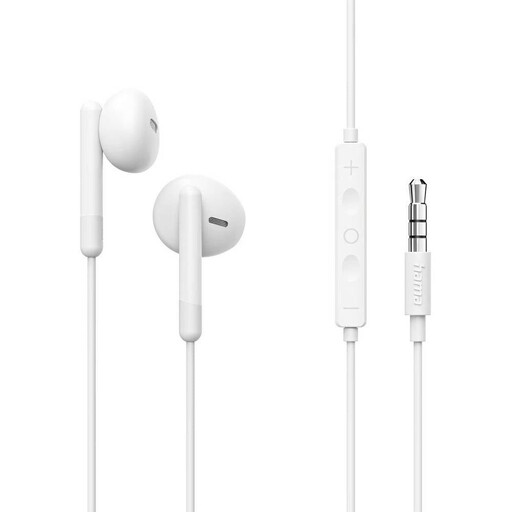
Noble wired in-ear headphones, 3.5 mm connection
A wired option if your playback device has a suitable 3.5 mm connection.
Listed in the product name: 3.5 mm connection and white finish.
View at Joybuy
 No image available
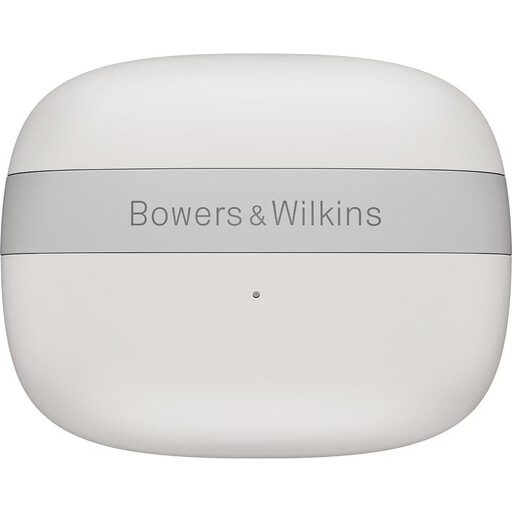
Bowers & Wilkins Pi6 True Wireless
A wireless ANC option if you want to listen without a cable.
Listed in the product name: 12 mm drivers, Bluetooth 5.4, multipoint and up to 8 hours of battery life.
View at Joybuy
 No image available
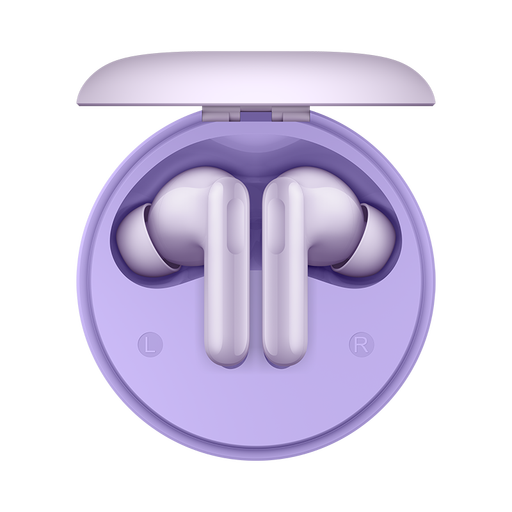
HONOR Earbuds A Pro
A wireless in-ear option with ANC if you want to reduce noise while commuting.
Listed in the product name: 12.4 mm drivers and 42 hours of battery life. Check that the battery-life figure suits how you plan to use them.
View at Joybuy
 No image available
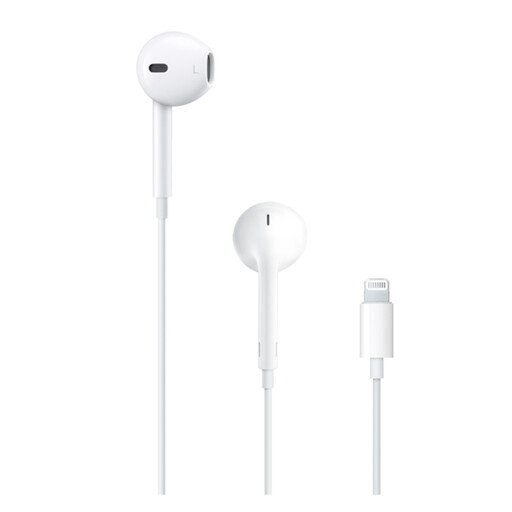
Apple EarPods with Lightning connection
A wired option if your playback device has a suitable Lightning connection.
Listed in the product name: wired EarPods with Lightning connection.
View at Joybuy
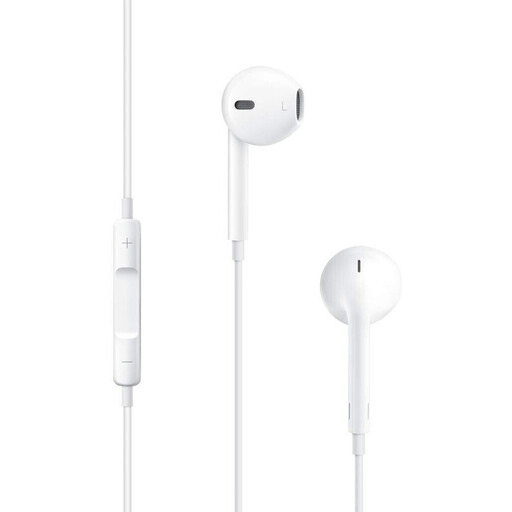 No image available
Apple EarPods with 3.5 mm connection
A wired option if your playback device has a suitable 3.5 mm headphone socket.
Listed in the product name: EarPods with 3.5 mm connection.
View at Joybuy
Frequently asked questions
Do I need to turn up the volume to hear quiet passages of opera on the train?
Not as your first step: check the fit and noise isolation first. The World Health Organization recommends well-fitting or noise-cancelling headphones to help you avoid turning up the volume in noisy environments. Its example of 80 dB for up to 40 hours a week isn’t a universally safe setting for every device.
What should I do about ear tips and wireless headphones that are losing performance?
Try the ear tip sizes supplied with your model, without pushing them in so far that they hurt. Sony recommends regular care for the affected WF and WI models; dirt on openings or charging contacts can affect volume or charging. Follow the care instructions for your particular model.
Can I return in-ear headphones bought online after trying them on, and who can help if they’re faulty?
Online purchases generally come with a 14-day right to cancel. Section 312g of the German Civil Code (BGB) provides an exception for sealed goods that aren’t suitable for return for health or hygiene reasons if the seal has been removed; whether this applies to a particular item can’t be determined from the product category alone. The Verbraucherzentrale also distinguishes between the seller’s statutory liability for defects and a voluntary manufacturer’s warranty.
Can I listen to opera through in-ear headphones in the quiet carriage on an ICE train?
Deutsche Bahn says that listening to loud music, including through headphones, is not welcome in the ICE quiet carriage. This is a published code of conduct from the rail operator, not a general statutory ban on using headphones established here. Make sure other passengers can’t hear your music, and pause playback to catch important travel information.


