Listeners comparing sound
You listen to the same orchestral passages repeatedly and want to assess differences in instrumental balance and bass. For this, the tuning and a consistent fit are important.


If you mainly want to compare the tonal balance of orchestral recordings in a busy office, the ER2SE could be a good starting point: Etymotic describes it as having a flat response, while SoundGuys characterises its bass as restrained. If distracting conversations are an issue, a good passive seal and fit matter. Check comfort and how easily you can be reached in your own office, as manufacturers’ attenuation figures are no guarantee of how they’ll perform in your ears.
You listen to the same orchestral passages repeatedly and want to assess differences in instrumental balance and bass. For this, the tuning and a consistent fit are important.
Conversations disrupt your comparisons, so you’re looking for a good-fitting passive seal. At the same time, consider whether you still need to be reachable or hear alerts while you work.
For longer listening sessions, you need comfortable ear tips and a connection that works with your playback device. Shure notes that fit can affect audio quality.
In a busy office, sound tuning, the seal you get in practice, comfort and connectivity all matter. Manufacturers’ figures are no substitute for checking the fit or considering whether you need to remain reachable at work.
| Priority | What to look for when buying | Who is this particularly important for? |
|---|---|---|
| Sound tuning | Compare the same passage at matched volumes and with a consistent fit. Etymotic describes the ER2SE as having a flat response; SoundGuys characterises its bass as restrained. | If I want to assess the instrumental balance and bass of a recording repeatedly, it’s important to understand the tuning. Around 34% of consumers put tonal balance first. |
| Office noise isolation | Try different ear-tip sizes and consider which sounds you need to hear. Shure’s claim of up to 37 dB for the SE215 is a manufacturer figure, not a personal guarantee. | If your main aim is to reduce distracting conversations and office noise while listening, weigh up the seal and how easily you can be reached. Around 33% of consumers prioritise noise isolation. |
| Fit over longer periods | Check the ear-tip sizes and fit over your usual listening period. The IE 200 has adjustable ear hooks and several ear-tip sizes, but this doesn’t guarantee a comfortable fit for you. | For longer comparison sessions, a comfortable, consistent fit is important to me. Around 20% of consumers put long-term fit first. |
| Connection and cable | Check your device’s audio output and the connector on the earphones. The ATH-E40 has an A2DC connector on the earphones; replacement cables must be compatible with the specific model. | If I mainly need to check the device connection and replacement cable compatibility, the exact connector is crucial. Around 13% of consumers prioritise connectivity and replaceability. |
The seal depends on the fit and also affects bass reproduction. In measurements of headphones from 2019/2020, the German Federal Institute for Occupational Safety and Health found no evidence that the ANC headphones tested had any particular potential to suppress surrounding speech.
Try suitable ear tips in the situation where you’ll actually use them, and check whether you still need to be reachable or hear alerts.
A change in bass balance can affect how you judge orchestral recordings. SoundGuys describes the ER2SE’s bass as restrained; RTINGS says the SE215 has emphasised bass and mid-range.
Consider the tuning of each model and compare the same passages at the same volume and with a consistent fit.
Connectors vary by model: Audio-Technica specifies A2DC for the ATH-E40, while Sennheiser specifies MMCX for the IE 200. So a detachable cable doesn’t mean every replacement cable will fit.
Before buying a replacement cable, check that it’s compatible with the exact model and connector.
Being an in-ear product doesn’t automatically mean that the right to cancel is excluded. Under certain conditions, section 312g of the German Civil Code (BGB) applies to sealed goods that are not suitable for return for reasons of health protection or hygiene.
Before opening the packaging, check the ear-tip sizes and the specific packaging. Whether the legal exception applies depends on the circumstances of each case.
The ER2SE is an option if you’re looking for a tuning the manufacturer describes as flat; the ER2XR has more prominent bass.
The wired SE215 combines passive isolation with several ear tips and a detachable cable.
The IE 200 is a compact, wired in-ear headphone with adjustable ear hooks and a range of ear-tip sizes.
The ATH-E40 comes with four sizes of silicone ear tips and a detachable cable.
This selection includes wired in-ear headphones and True Wireless models with different connections and ambient sound features. For comparing orchestral recordings, check the tuning and fit of each model separately; features such as Bluetooth or ANC don’t in themselves indicate neutral sound reproduction.
 No image available
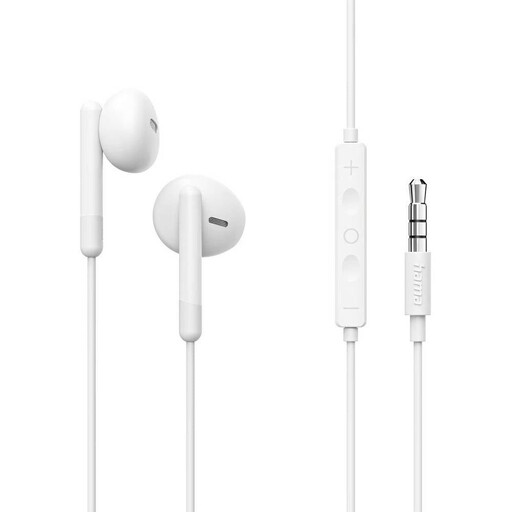
For wired music listening with a device that has a 3.5 mm output; built-in microphone and remote control.
3.5 mm connection, 1.2 m cable, microphone and remote control; white finish.
 No image available
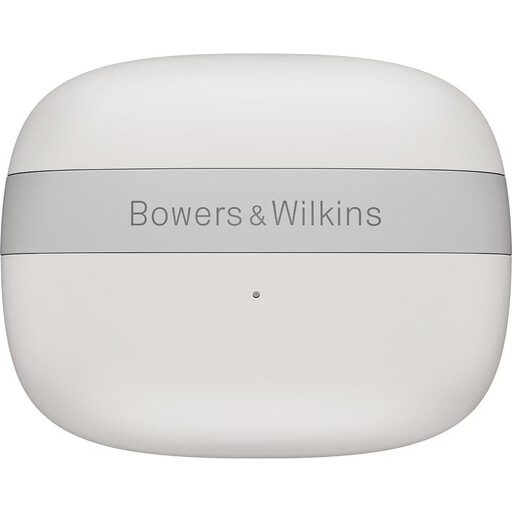
For wireless music listening if Bluetooth connectivity and a choice of ear-tip sizes suit your needs.
Bluetooth 5.4, aptX Adaptive, ANC and four sizes of silicone ear tips; up to 8 hours of playback per charge.
These specifications don’t establish a particular level of sound neutrality or attenuation; check the tuning for your orchestral comparisons.
 No image available
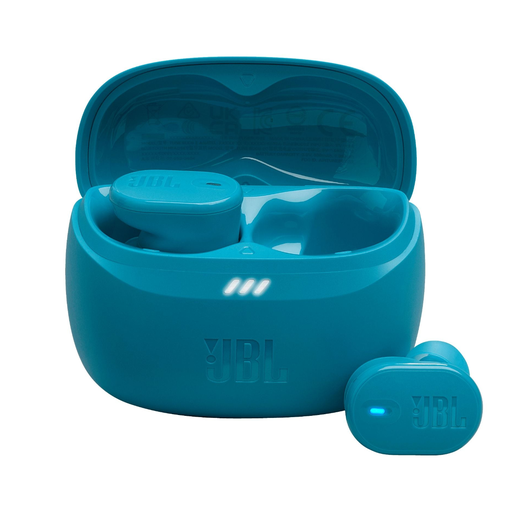
For wireless listening if you want to use ANC and Smart Ambient while staying aware of the sounds around you.
Adaptive Noise Cancelling, Smart Ambient, adjustable equaliser and Bluetooth multipoint; three sizes of ear tips.
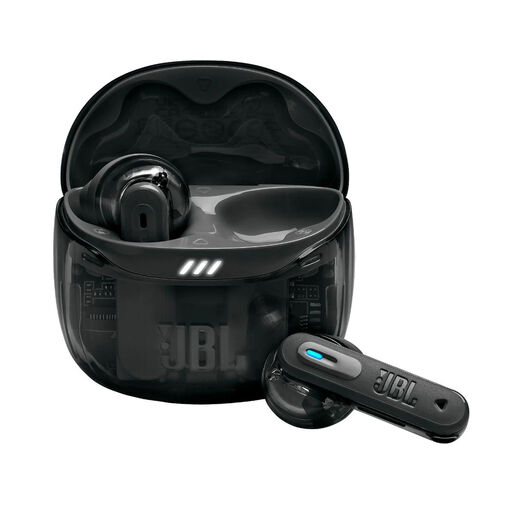
JBL promotes Pure Bass. Bear this tuning in mind when assessing the bass balance of orchestral recordings.
 No image available
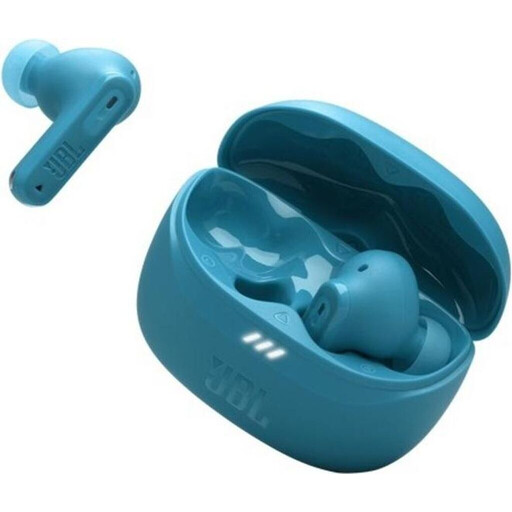
For wireless listening sessions with ANC if Bluetooth multipoint and an app equaliser are useful for the way you listen.
Adaptive Noise Cancelling, Smart Ambient, Bluetooth multipoint and three sizes of ear tips; up to 10 hours of playback with ANC per charge.
JBL describes the tuning as Pure Bass; bear this in mind when assessing orchestral recordings.
 No image available
For wireless listening with ANC and Smart Ambient if you want to adapt your awareness of the sounds around you to your situation.
Bluetooth multipoint, app equaliser, ear tips and open-ear tips; up to 8 hours of playback with ANC per charge.
JBL promotes Pure Bass. Check whether this tuning suits your comparison of orchestral bass balance.
No. ANC alone doesn’t reliably guarantee that surrounding speech will be unintelligible. In measurements of headphones from 2019/2020, the German Federal Institute for Occupational Safety and Health found no evidence that the ANC headphones tested had any particular potential to suppress surrounding speech; those measurements did not cover the IEM models mentioned here. So check the fit and the noise levels in your workplace.
A lack of bass with the Shure SE215 may indicate a poor seal. Shure recommends trying a different, suitable ear tip; don’t insert ear tips further than the manufacturer’s instructions allow.
No general permission or ban can be inferred. Under section 5 of the German Occupational Safety and Health Act (ArbSchG), employers assess work-related risks; whether you need to hear people speaking to you or alerts depends on your workplace and role. Check any relevant workplace requirements before using them.
Compare the connector on the earphones with the exact model specified for the replacement cable. Audio-Technica says the ATH-E40 uses an A2DC connection; Sennheiser lists MMCX for the IE 200. A detachable cable isn’t automatically compatible with other models.
There’s no blanket answer. Under certain conditions, section 312g of the German Civil Code (BGB) provides an exception for sealed goods that are not suitable for return for reasons of health protection or hygiene, if the seal has been removed after delivery. Whether these conditions apply to a particular product and its packaging must be assessed on a case-by-case basis; simply calling something an in-ear product doesn’t decide the matter.