Who are the different types of in-ear headphones for?

Listeners who want to pick out chords

If you listen to sections of a song repeatedly to follow the instruments and harmonies, clear playback and a suitable audio source are key. A description of the sound alone can’t tell you whether you’ll recognise a chord.

Noise-sensitive long-haul travellers

If cabin noise gets in the way of your listening, pay attention to how the ear tips fit and whether noise reduction suits your needs. That way, you won’t have to simply drown out disruptive noise by turning the volume up.

People who want to listen for longer

For longer listening sessions, a comfortable fit and a connection that works with your audio source are important. Depending on the model, you’ll also need to weigh up having a cable, possible charging breaks and being able to hear announcements.

What should you look for when buying?

What matters to you What to check before buying Who is this important to?
Musical detail The sound profile of the specific model, a suitable audio source and the ability to replay short sections. If you want to compare the bass line with other parts, you need playback that’s clear to you. Around 28% of consumers put musical detail first when listening repeatedly.
Cabin noise How the ear tips fit, whether ANC is adjustable and whether it’s easy to pause playback. If disruptive cabin noise masks quieter parts of a song, you’ll want to reduce it rather than keep turning up the volume. Around 22% of consumers prioritise noise isolation.
Comfort over time Ear tip sizes, a secure fit and the conditions for trying them on. If you want to listen for long stretches, they should remain comfortable in your ears. Around 22% of consumers prioritise comfort during longer listening sessions.
Connection and power Your audio source, the connection or adapter you need, airline rules and the battery life of the specific model variant. If you want to use your own recording or the in-flight entertainment, the connection needs to work with the source you’ll actually use. With wireless in-ear headphones, you’ll also need to plan when to charge them. Around 17% of consumers prioritise connection and power.
Replacement parts and ongoing costs What’s included, as well as compatible replacement ear tips, cables and connection options for the specific variant. If you want to factor in possible replacement parts and additional purchases in advance, check exactly what fits your model. Around 11% of consumers prioritise ongoing costs and product lifespan.

Pitfalls when listening on a plane

  • ‘Neutral’ or ‘detailed’ doesn’t automatically mean you’ll recognise chords

    Manufacturers’ descriptions of sound don’t prove that a particular chord will be easier to recognise. Sennheiser describes the IE 200 as having a balanced sound profile; Etymotic calls the ER2SE’s sound profile flat.

    Choose based on how you listen, a comfortable fit and an audio source you can use. Don’t treat sound descriptions as a transcription feature.

  • Turning up the volume to hear more detail

    The World Health Organization notes that well-fitting, noise-reducing headphones can help you avoid turning the volume up unnecessarily in noisy environments.

    Check the fit and noise reduction first, and take listening breaks rather than constantly trying to drown out cabin noise by turning up the volume.

  • Assuming in-flight entertainment, your own files and Bluetooth are all the same

    A 3.5 mm cable needs a compatible output; wireless in-ear headphones need power. The EASA leaves it to each airline to decide whether passengers can use portable electronic devices.

    Before buying, check where you’ll play the song and what connection you’ll need. Follow your airline’s rules and the crew’s instructions.

  • Overlooking a professional-use label when buying for personal use

    Shure’s German product page for the SE215 is labelled ‘Professional Use Only’. So even if its technical features seem suitable, you shouldn’t assume that this specific version is automatically an option for consumers.

    Before choosing it, check whether the specific version is suitable for how you plan to use it.

Relevant brands at a glance

Sennheiser

The wired IE 200 is a point of comparison for listeners who want to listen without relying on an earphone battery, using a compatible 3.5 mm connection.

  • Sennheiser describes the IE 200 as having a balanced sound profile and lists various ear tips and an MMCX cable.
  • These are the manufacturer’s claims, not independent evidence of better chord recognition. The connection and your individual fit still matter.

Etymotic

According to Etymotic, the wired ER2SE has a flat sound profile and passive noise isolation.

  • Etymotic states that the ER2SE provides 35–42 dB of noise isolation and describes its cable as replaceable.
  • The manufacturer’s figure isn’t a measurement taken in your own ear. The fit and comfort need to work for longer listening sessions.

Sony

The WF-1000XM6 is a wireless ANC option to consider if freedom of movement and noise reduction are important to you.

  • Sony promotes the model for its noise cancelling and shape designed for extended wear.
  • These are the manufacturer’s descriptions, not confirmed results for a flight or for picking out chords. You’ll still need to check the connection and plan when to charge them.

Bose

The second-generation QuietComfort Ultra Earbuds are wireless in-ear headphones with adjustable ANC.

  • Bose states that the earbuds offer 6 hours of battery life and lists several combinations of ear tips and stability bands.
  • You may need to stop and recharge during longer listening sessions. Fit and noise reduction vary from person to person; the battery-life figure doesn’t apply across the board to other Bose models.

Shure

The passively isolating, wired SE215 is technically relevant, but don’t assume it’s suitable for consumers without checking the specific version.

  • Shure lists various ear tips, a detachable cable and noise reduction of up to 37 dB.
  • Shure’s German product page carries the label ‘Professional Use Only’. Check the intended use of the exact version.

Joybuy product selection

This selection includes wired and wireless in-ear headphones for listening while travelling. Check that the connection or wireless option works with your audio source on board.
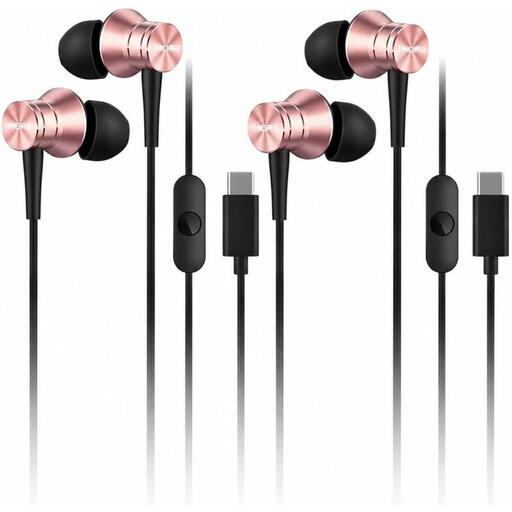
1MORE Piston P10 wired USB-C earphones, pink

1MORE Piston P10, USB-C, pink

For wired listening when your audio source supports USB-C audio.

Wired USB-C version; pink.

Requires a compatible USB-C audio source.

View on Joybuy
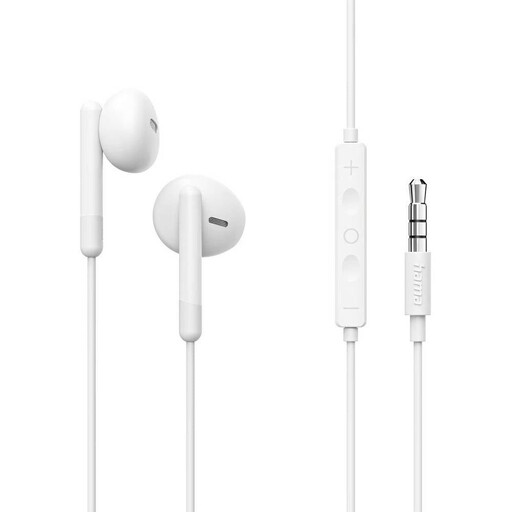
Noble wired in-ear headphones with 3.5 mm connection, white

Noble 3.5 mm in-ear headphones, white

For listening repeatedly without needing to recharge the earphones, provided your audio source has a compatible 3.5 mm connection.

Wired; 3.5 mm connection, microphone and remote control according to the product name.

Requires an audio source with a compatible 3.5 mm connection.

View on Joybuy
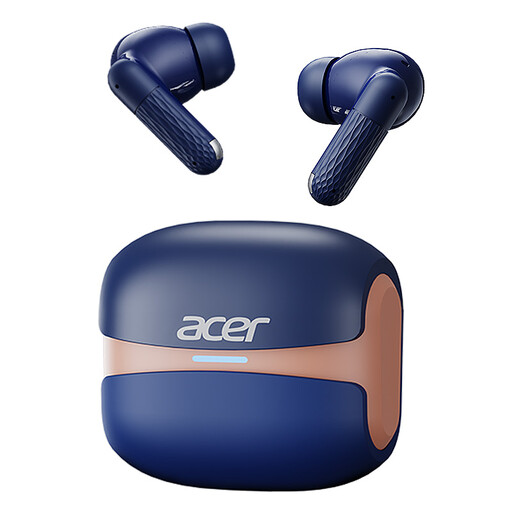
Acer OHR548 wireless in-ear headphones with Bluetooth 5.4 and USB-C charging case

Acer OHR548, Bluetooth 5.4

For wireless listening on the go when your audio source supports a compatible Bluetooth connection.

Wireless in-ear headphones with Bluetooth 5.4 and a USB-C charging case, according to the product name.

This wireless model comes with a charging case; plan to charge it before using it for a longer period.

View on Joybuy

Bose wired noise-cancelling earphones, black

Bose noise-cancelling earphones, wired, black

For listening without an earphone battery or Bluetooth pairing, if your audio source is compatible.

Wired earphones with noise cancelling, according to the product name.

Requires a compatible USB-C device.

View on Joybuy
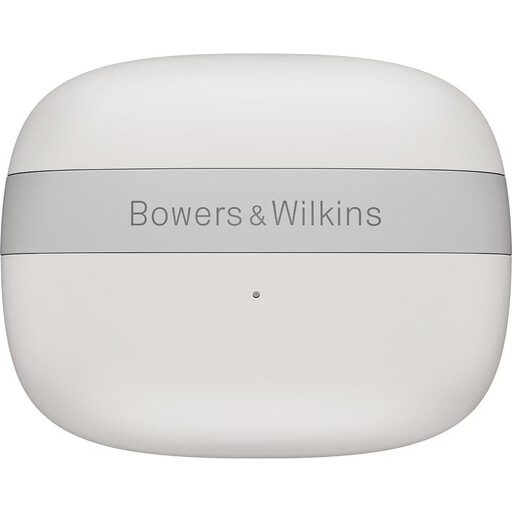
Bowers & Wilkins Pi6 True Wireless in-ear headphones with ANC and Bluetooth 5.4

Bowers & Wilkins Pi6 True Wireless, ANC, Bluetooth 5.4

For wireless listening with noise cancelling, if you can use Bluetooth and plan when to recharge.

True wireless, Active Noise Cancelling and Bluetooth 5.4, according to the product name.

Battery life is listed as up to 8 hours per charge.

View on Joybuy

Frequently asked questions

Are Bluetooth in-ear headphones allowed on every flight?

No, it’s up to each airline. In 2014, the EASA explained that airlines can allow the use of portable electronic devices following their own safety assessment. Always follow the crew’s instructions too.

Can I plug wired in-ear headphones straight into my phone or the in-flight screen?

Only if the connection is compatible with the specific audio source. According to Sennheiser, the IE 200 has a 3.5 mm plug. Check whether your phone or seat has a compatible output, or whether you’ll need a suitable connection solution.

How can I listen without constantly turning the volume up to overcome cabin noise?

The World Health Organization recommends well-fitting, noise-reducing headphones, keeping the volume at a moderate level and taking listening breaks. A good fit can help you avoid simply compensating for disruptive background noise by turning up your music.

What should I check about cables and replacement parts?

Check what’s included and make sure replacement parts fit your exact model. Sennheiser lists an MMCX cable and various ear tips for the IE 200; Etymotic describes the ER2SE cable as replaceable. That doesn’t mean every replacement part that looks similar will fit.

What labelling should I look for on electronic in-ear headphones in Germany?

For retailers, the German Federal Network Agency lists requirements including correct CE marking, clear product identification and German-language instructions for non-commercial users. CE marking alone says nothing about sound quality or comfort.