Listeners of quiet family recordings
If you want to follow quiet voices, consider volume and listening time together rather than automatically turning the volume up. The WHO recommends keeping both in mind.


For listening to quiet family recordings, in-ear headphones with ear tips that fit well may be a good option if you want to listen without using a room speaker. Check how easy it is to follow your own recording at a comfortable volume. The WHO recommends well-fitting headphones to reduce the need to turn up the volume in noisy surroundings; however, manufacturers’ claims about passive noise isolation do not prove that a model will make an unclear recording easier to understand.
If you want to follow quiet voices, consider volume and listening time together rather than automatically turning the volume up. The WHO recommends keeping both in mind.
If you want to listen without a room speaker, even when there’s background noise, look for a good fit. Shure, Sennheiser and Audio-Technica describe ear tips and noise isolation for their respective models; how well they work depends on the fit.
For longer listening sessions, a fit that feels comfortable to you, the right device connection and the specific cable design all matter. Shure, Sennheiser and Audio-Technica models differ in aspects such as ear tip materials and cable connections.
First, check whether you can follow your recording clearly at a comfortable volume. Then consider the fit, background noise and the right connection.
| Priority | What to check when buying | Who it matters most to |
|---|---|---|
| Understanding voices | Listen to your own recording at a comfortable volume, and assess the fit and playback separately. | If I want to follow quiet passages, I don’t rely on sound descriptions alone. Around 31% of consumers put being able to follow voices first. |
| Listening in a shared room | Check the sizes and materials of the supplied ear tips, as well as the fit at a normal volume. | If you want to keep background noise from becoming too noticeable without using a room speaker, a good fit is essential. Around 25% of consumers prioritise noise isolation in a shared room. |
| Listening to long recordings | Consider the ear tip materials and fit for the way you’ll use them; check the applicable returns terms before opening the packaging. | If I want to listen to a longer family story, lasting comfort matters more to me than having a wide choice of options. Around 25% of consumers prioritise fit during longer sessions. |
| Connecting your device and cable | Compare your device’s audio output and, for detachable cables, the connection on the earphone too. | If you want to use IEMs with a particular playback device or replace a cable, check both connections. Around 19% of consumers prioritise device connectivity and a suitable replacement cable. |
Shure’s claim about passive reduction of background noise says nothing about the quality or completeness of a family recording.
Assess fit and clarity separately using your own recording. If a section is unclear, don’t try to compensate simply by turning the volume ever higher.
Earphone connections vary: Shure specifies MMCX for the SE215, while Audio-Technica specifies A2DC for the ATH-E40.
Before buying a replacement cable, check the exact model variant and the connection on the earphone, as well as the plug for your playback device.
In Germany, § 312g BGB provides an exception to the right of withdrawal for sealed goods that are unsuitable for return for reasons of health protection or hygiene, if their seal has been removed after delivery. Whether these conditions apply to a particular offer cannot be determined from the product category alone.
Before opening the packaging, check which seal and withdrawal terms apply to the specific offer. This does not affect any rights you may have if the goods are faulty.
The SE215 is a wired IEM with a detachable cable and several ear tips, making it an option for listeners who want to check fit and replacement options.
According to the manufacturer, the IE 100 PRO comes with silicone and foam ear tips, allowing listeners to compare different materials for fit.
The ATH-E40 may suit listeners who want to consider a range of silicone ear tip sizes and a detachable cable.
The following in-ear headphones are designed for personal listening. Depending on the model, check whether it connects by cable or Bluetooth and whether it’s compatible with your playback device.
 No image available
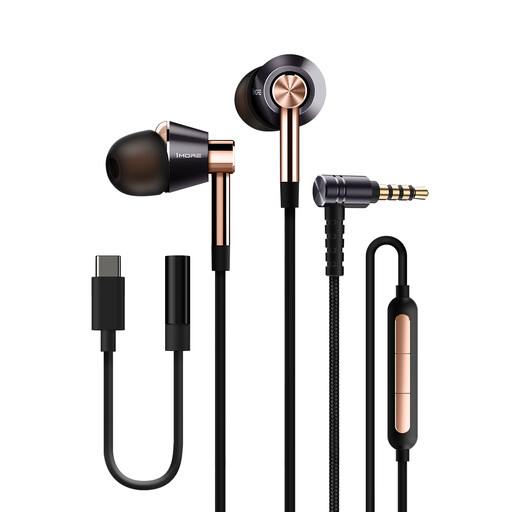
These wired in-ear headphones are an option for listening privately without Bluetooth pairing; check whether the fit feels comfortable for your recording.
 No image available
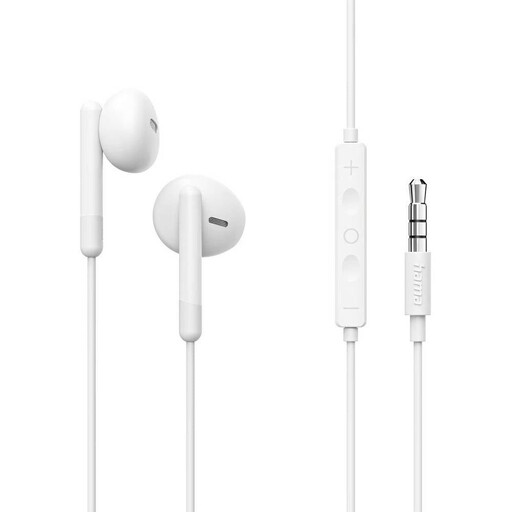
The stated 3.5 mm connection will work only if your playback device has a corresponding audio output.
 No image available
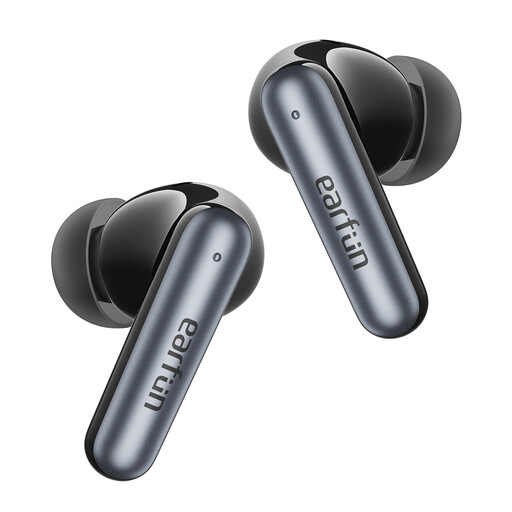
These true wireless headphones may suit you if you want to listen without a cable between the earbuds and your playback device; check that wireless use works with your device.
 No image available
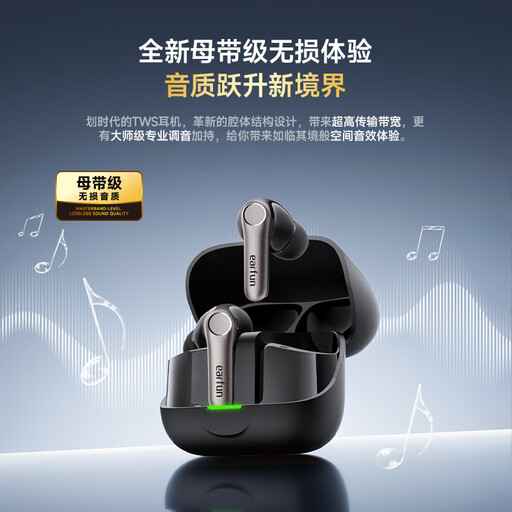
If you prefer wireless listening, compare the stated connection with your playback device and check whether the ear tips fit you well.
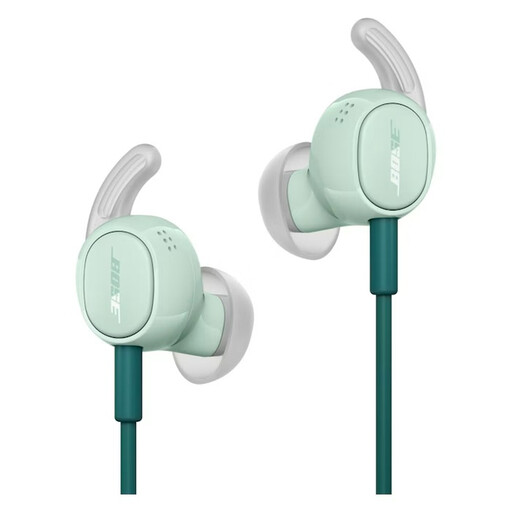 No image available
The product name identifies this as a wired model; before buying, check that the connection is compatible with your playback device.
Don’t automatically keep turning the volume up: according to the WHO, the risks to your hearing depend on both volume and listening time. The WHO recommends well-fitting headphones to reduce the need to turn up the volume in noisy surroundings, and advises taking listening breaks.
Choose a suitable supplied ear tip and check the fit and comfortable volume before starting a long recording. Also check that the connection is compatible with your playback device; for example, Audio-Technica specifies a 3.5 mm plug for the ATH-E40.
Check both the plug for your playback device and the connection on the earphone. Shure specifies MMCX for the SE215, while Audio-Technica specifies A2DC for the ATH-E40; a detachable cable alone does not mean it will fit both models.
For eligible online purchases from a business, you generally have a 14-day right to withdraw from the contract, starting when you receive the goods; this is separate from your statutory rights if the goods are faulty. § 312g BGB provides an exception for sealed goods that cannot be returned for reasons of health protection or hygiene if the seal has been removed after delivery. Whether these conditions apply to a particular in-ear offer depends on the individual case; check the terms before opening the packaging.