Considerate evening listeners
You want to listen to folk music while someone else rests in the room. A comfortable fit and a volume that works for both of you are more important than turning it up as loud as possible.


If you want to listen to folk music quietly and disturb the other person in your bedroom as little as possible, start with a comfortable fit and a moderate volume. Wired in-ear headphones don’t need their own battery, while wireless models may offer ANC or ambient mode, depending on their features. However, ANC alone doesn’t tell you how much of your music the other person can hear. Your audio connection, listening position and whether you need to stay alert to others also matter.
You want to listen to folk music while someone else rests in the room. A comfortable fit and a volume that works for both of you are more important than turning it up as loud as possible.
You pay close attention to vocals and acoustic instruments, and want to choose between wired listening and wireless features at a comfortable volume.
If you listen for a long time or while lying down, check whether the housing, ear tips or cable press against your ear or pillow. You can’t tell whether a model will feel comfortable just from its name.
A good choice if: You usually sit still, have a compatible 3.5 mm output or a suitable adapter, and don’t want to charge your headphones.
Bear in mind: The cable or ear hooks may get in the way when you’re lying down. Passive noise isolation can also make it harder to hear conversations in the room.
A good choice if: Room noise distracts you and you’d like to use ANC or switch on ambient mode. Sony documents both modes for the WF-C710N.
Bear in mind: ANC reduces noise for you, but doesn’t tell you how much music escapes from your headphones. You should also check the fit and battery life in the mode you’ll actually use.
| Priority | What to check when buying | Who is it important to? |
|---|---|---|
| Being considerate and listening at a comfortable volume | Check the fit of the ear tips, the volume controls and, where possible, how audible your music is from the other person’s position. | If I listen in the evening while someone else is resting in the room, I want to enjoy folk music at a comfortable volume and disturb them as little as possible. Roughly 31 % of consumers put consideration first. |
| Vocals and acoustic instruments | Listen to a familiar folk recording at the volume you plan to use. Compare sound profiles only if the model offers the relevant settings. | If vocals and acoustic instruments are to sound clear and enjoyable even at a low volume, your own listening experience is what matters. Roughly 25 % of consumers put folk sound quality first. |
| Comfort when lying down or listening for longer | Check the housing shape, the available ear tip sizes and, if relevant, how the cable sits in your usual listening position. | If you listen in bed or for long stretches, you’ll want to avoid the headphones or cable pressing against your ear or pillow. Roughly 19 % of consumers prioritise comfort when lying down. |
| Being able to hear the other person | Check whether the pause control and, if available, ambient mode are easy to reach. Try the controls in the shared room. | If I need to respond when someone speaks to me in the room, I want to pause my music quickly or hear more of my surroundings. Roughly 13 % of consumers put staying alert to others first. |
| Connection and listening time | Check the audio output or whether you’ll need a suitable adapter. For wireless models, compare battery life per charge in the mode you want to use. | If you use a particular playback device or plan to listen for long sessions, you’ll need a compatible connection and enough playback time. Roughly 12 % of consumers prioritise connection and listening time. |
ANC describes noise cancellation for the person wearing the headphones. It doesn’t tell you how much music someone else in the room can hear.
First, check the fit and listen at a moderate volume. Assess how audible your music is in the room separately, rather than relying on ANC alone.
The headphones’ battery life per charge may differ from the total battery life with the charging case. It also depends on the mode you’re using.
Compare the battery life per charge in the mode you actually plan to use.
A 3.5 mm plug will only connect directly to a compatible audio output.
Before buying, check your playback device’s socket and find out whether you’ll need a suitable adapter.
The WF-C710N is a wireless option if you’re looking for a model with both ANC and ambient mode.
The wired IE 200 is an option to compare if you have a compatible 3.5 mm connection and want to try different ear tips.
The SE215 is a wired option with interchangeable ear tips.
The EAH-AZ100 is a wireless option to compare, with adaptive ANC.
The Liberty 4 NC is a wireless option to compare if you’re weighing up ANC, transparency mode and battery life across different modes.
Here you’ll find wired and wireless in-ear headphones for listening to music. Features such as ANC, transparency mode and sound controls vary by model.
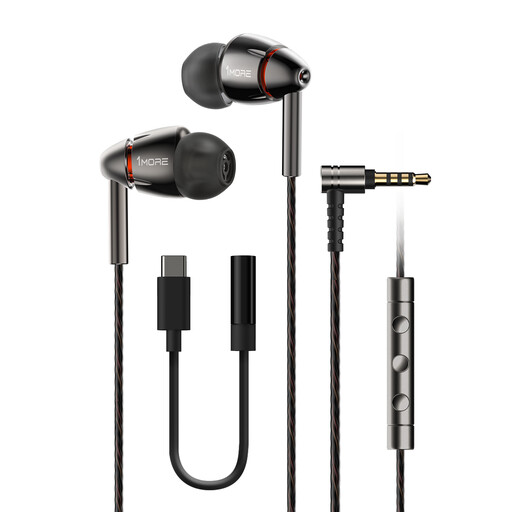 No image available
A wired option if you have a compatible connection or adapter.
The product description lists four drivers, an in-line remote and a 3.5 mm to USB-C adapter.
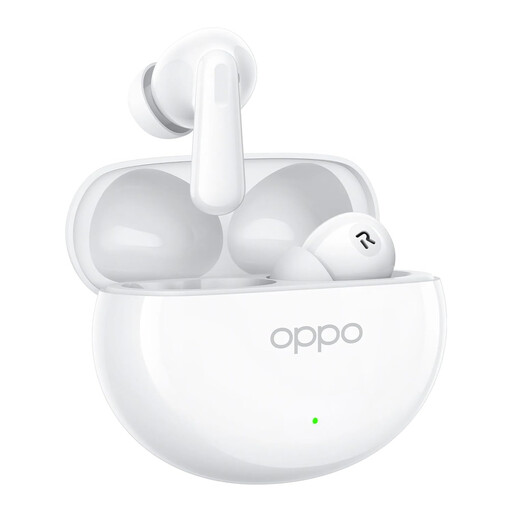 No image available
A wireless option if you want to switch between ANC and transparency mode.
The product description lists ANC, transparency mode and four customisable EQ settings.
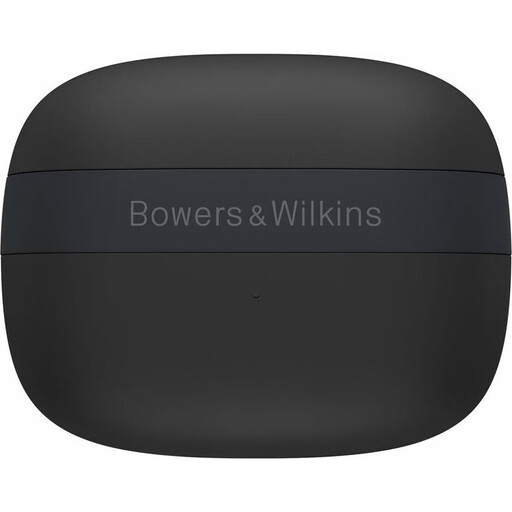 No image available
A wireless option with ANC, if you’d also like to compare the listed sound and ear tip features.
The product description lists 12 mm drivers, aptX Adaptive and ANC.
It states up to 8 hours of battery life and lists four interchangeable ear tip sizes. Check the battery life and fit for yourself.
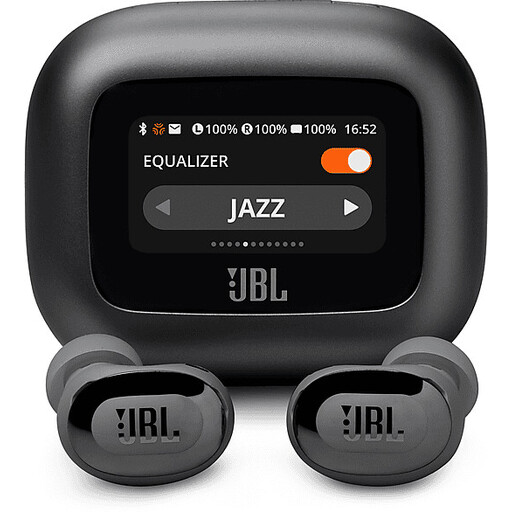 No image available
A wireless option if you’re weighing up ANC and playback controls via the Smart Case.
The product description lists 10 mm drivers, True Adaptive ANC and EQ controls via the Smart Case.
Three ear tip sizes are listed, but they don’t guarantee a comfortable fit for everyone.
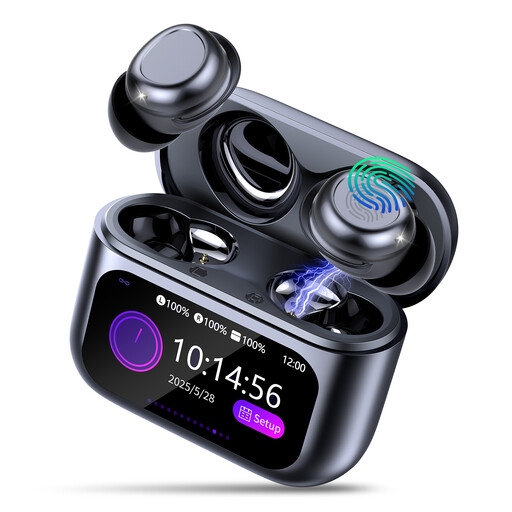 No image available
An option to compare if a low-profile design matters for your listening position.
The product title lists five EQ modes. The description calls the design low-profile and intended for side sleepers. Check for yourself whether it feels comfortable.
If noise in the room distracts you, you can compare ANC with well-fitting ear tips. ANC doesn’t guarantee that the other person can’t hear your music. Keep the volume moderate and consider whether you’re disturbing them separately.
Try the sizes and materials available for your model at your usual listening volume. Sennheiser lists silicone and foam ear tips in S, M and L for the IE 200; Shure lists a range of foam and silicone ear tips for the SE215. Having several options doesn’t guarantee a comfortable fit.
Compare the headphones’ playback time per charge in the mode you plan to use. Based on its own tests, soundcore states that the Liberty 4 NC offers up to 8 hours with ANC and up to 5 hours with LDAC and ANC. Actual battery life may vary.
The World Health Organization recommends considering volume and listening time together, and taking breaks. The volume setting on your headphones alone doesn’t tell you what sound level actually reaches your ears.
No, not in every case. Distance selling contracts generally come with a 14-day right to cancel. Section 312g of the German Civil Code (BGB) provides for exceptions, including certain goods sealed for health protection or hygiene reasons, if their seal has been removed after delivery. Whether these conditions apply to a particular product must be assessed separately.