Quiet listeners sharing a room
If you want to listen to stories without using a speaker, consider how playback might affect the other person and whether you’ll still be reachable in the room.


Start with an in-ear pair that feels comfortable, then use a familiar spoken recording to check that you can follow the story at a moderate volume. Wired models with interchangeable ear tips may suit you if the connection and cable routing work for you. Wireless earbuds give you more freedom to move and, depending on the model, may offer an ambient sound mode, but they need charging. Strong noise isolation is no advantage if you need to hear another person or an important alarm.
If you want to listen to stories without using a speaker, consider how playback might affect the other person and whether you’ll still be reachable in the room.
If you change position while listening, a comfortable fit that suits you and a cable that stays out of the way matter. Try the different ear tip sizes and check the shape of the housings for yourself.
If you want to follow quiet parts of a story, compare the fit and playback using the same recording rather than relying on general descriptions of sound quality alone.
First, decide which sounds in the room you need to remain aware of. Then you can weigh up fit, noise isolation and the connection or charging option that suits you.
| Priority | What to check when buying | Who is this important to? |
|---|---|---|
| Comfort in bed | Try the ear tip sizes that fit you and check the fit in your usual sleeping position. | If I lie on my side while listening, I don’t want uncomfortable pressure or ear tips that slip out. Around 25% of consumers put a comfortable fit first. |
| Consideration for others and a quiet room | Check separately whether the other person can hear your playback and whether you can still notice important sounds. | If I want to listen quietly in a shared room, personal listening matters to me, but I don’t want to lose awareness of important sounds. Around 25% of consumers prioritise consideration for others and how they manage background noise. |
| Clear spoken narration | Compare the same quiet passage using suitable ear tips and at a moderate volume. | When voices are quiet or change in volume, I want to follow the story without continually turning up the volume. Around 20% of consumers put speech clarity first. |
| Hearing important sounds | Think about which people or alarms you need to hear; don’t rely on an ambient sound mode without checking it first. | If I need to respond to another person or an alarm, being able to hear them matters more to me than having the strongest possible noise isolation. Around 15% of consumers prioritise staying aware of what’s happening in the room. |
| Connection and power | For wired models, check your device’s audio output and the cable connections; for wireless models, check the battery life in the mode you want to use. | If I first need to work out whether the headphones suit my device or charging routine, ease of use is my priority. Around 15% of consumers prioritise connectivity or power. |
Shure states that the SE215 offers up to 37 dB of passive noise isolation. This is a manufacturer’s claim; Shure’s user guide says that fit affects the sound. Strong noise isolation may also muffle sounds in the room.
Try different ear tips with the same story passage at a moderate volume. Separately, work out which people and sounds you still need to be able to hear.
The shape of the housings and the range of ear tips available don’t prove that the earbuds will feel pressure-free when you lie on your side.
Check the fit and pressure from the housings in your usual sleeping position. With wired models, also check whether the cable pulls when you turn over.
Connectors vary: Audio-Technica specifies A2DC for the ATH-E40, while Sennheiser specifies MMCX for the IE 200. The connection to your playback device also needs to match.
Before buying, check the full model name, both ends of the cable and your device’s audio output.
You may need a replacement cable that matches the connector on your specific model.
The examples below refer to specific models and manufacturers’ claims, rather than making a general assessment of each brand’s entire range.
The wired SE215 comes with a choice of foam or silicone ear tips and a detachable cable.
The wired ATH-E40 comes with four sizes of silicone ear tips.
The IE 200 is a wired in-ear model supplied with silicone and foam ear tips.
The wireless WF-C710N are an everyday alternative with noise cancelling and an ambient sound mode, rather than wired stage IEMs.
According to the manufacturer, the wired DT 70 IE is designed for mixing and critical listening.
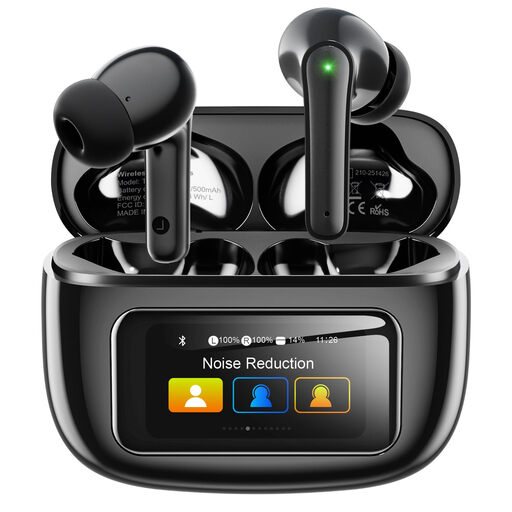
This selection includes wireless in-ear headphones for personal listening. If you need to hear important sounds in the room, take particular care to check whether noise cancelling is right for your situation.
 No image available
The wireless design is suitable for personal listening without a cable by your ear. If you need to stay aware of sounds in the room, check how noise cancelling works in your situation.
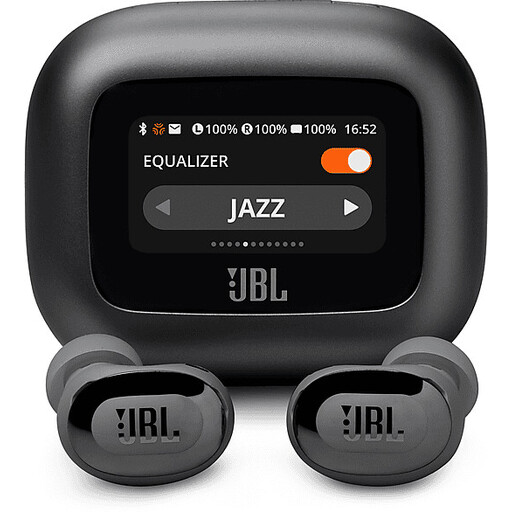
The product title mentions a touchscreen case, five EQ modes and up to 48 hours of total playback with the charging case.
 No image available
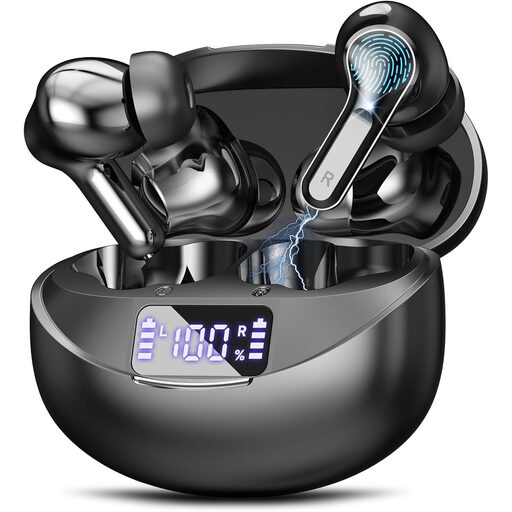
Wireless playback means there’s no cable to pull when you turn over in bed, but check the fit in your usual sleeping position all the same.
The product title states up to 50 hours of total playback with the charging case, with up to 8 hours per charge. When noise cancelling is switched on, you may find it harder to hear important sounds.
 No image available
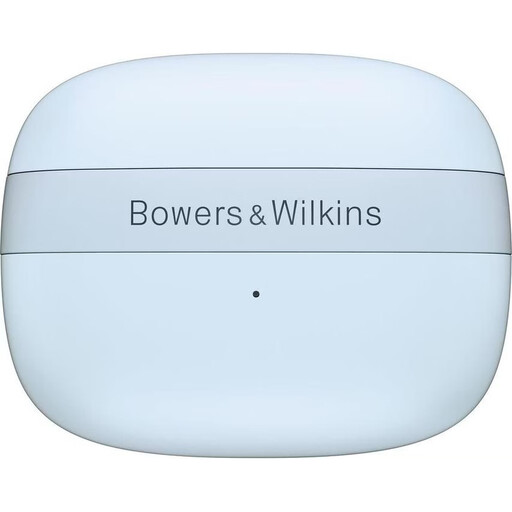
The wireless design may suit you if a cable gets in the way when you’re listening. If noise cancelling is switched on, check separately that you can still hear important sounds in the room.
The product title mentions Bluetooth 5.4, multipoint and active noise cancelling. The stated battery life is up to 8 hours per charge.
 No image available
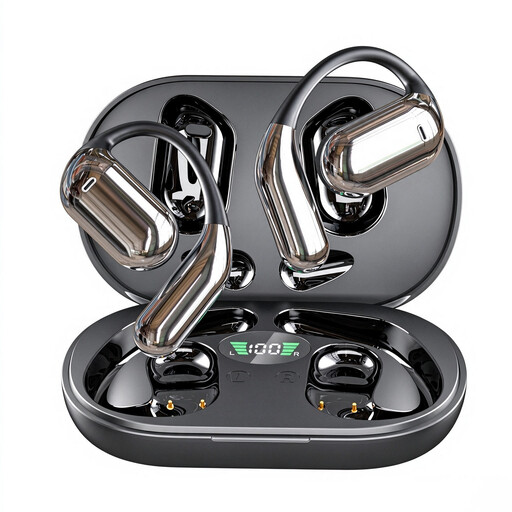
The earbuds are described as offering wireless audio playback; check that they’re compatible with your device before buying.
According to the product description, the translation function depends on the app you use and a stable internet connection. The product title mentions a USB-C charging port.
 No image available
The wireless design is ideal for listening without a cable. If you need to stay responsive to others in the room, check how noise cancelling affects your ability to hear important sounds.
The product title mentions a Smart Case and wireless charging. The stated playback time with noise cancelling is up to 8 hours per charge.
No. For this purpose, fit, speech clarity and a suitable connection matter most. The manufacturer positions the DT 70 IE for mixing and critical listening; that doesn’t prove it offers an advantage for listening to stories.
Choose an ear tip that fits securely and don’t push it beyond the entrance to your ear canal. Shure’s instructions for the SE215 say to pull off the ear tip, push the replacement fully into place and replace any loose-fitting tips. For other models, follow the instructions supplied with them.
The World Health Organization (WHO) notes that volume, listening time and how often you’re exposed to loud sounds all matter. As an example, it cites an average exposure of 80 dB for up to 40 hours a week for adults; this isn’t a volume setting that will be the same on every device. Listen as quietly as you can while still hearing clearly, and take breaks.
Check whether you’ll need replacement ear tips that fit, a cable compatible with your model or a way to charge the headphones. The European Union’s Your Europe website explains that, for online purchases from a trader, you generally have 14 days from delivery to withdraw from the contract. Faulty goods are covered by a legal guarantee of at least two years from receipt. The right to withdraw and your rights relating to faulty goods are separate.
Germany’s Federal Network Agency includes electrical and radio equipment, such as Bluetooth products, in its market surveillance. Among other things, it checks CE marking, product and manufacturer details, instructions in German and the declaration of conformity. The presence of a mark alone doesn’t confirm that a particular product listing has been independently checked.