Dialogue listeners
If you want to follow recorded theatre conversations at a moderate volume, fit is important, as is trying them with your own recording. The manufacturer’s description of the sound can’t replace this comparison.


For listening to theatre conversations in a shared bedroom, a comfortable fit is the first thing to look for. It should let you follow your own recording clearly at a moderate volume. A sound profile described by the manufacturer as balanced can be a useful point of comparison, but it doesn’t guarantee that dialogue will be easy to understand. If room noise is more distracting, pay particular attention to the fit of the ear tips and passive isolation. Manufacturer figures won’t necessarily reflect how the headphones fit you, and stronger isolation can make it harder to hear your housemates.
If you want to follow recorded theatre conversations at a moderate volume, fit is important, as is trying them with your own recording. The manufacturer’s description of the sound can’t replace this comparison.
If you share a bedroom and room noise gets in the way while you’re listening, compare the available ear tips and check how well the in-ear headphones fit you. Manufacturer claims about isolation don’t guarantee a particular fit for you.
If you’re planning to listen to longer discussions, try different ear tips and check the fit carefully rather than simply turning up the volume when parts are hard to understand. The World Health Organization notes that listening volume, duration and frequency all affect the strain on your hearing.
First, try your own recording at a moderate volume. Then check which ear tips, level of isolation and connections are right for your room and playback device.
| What you need | What to look for when buying | Who it matters most to |
|---|---|---|
| Dialogue clarity | Listen to your own recording with different voices at a moderate volume; check how the ear tips fit. | If I want to follow the dialogue in my recording, I’d rather try the sound for myself than rely on a product description. Around 31% of consumers put speech clarity first. |
| Isolation from room noise | Compare ear tip sizes and fit; bear in mind that stronger isolation can make it harder to hear people calling you. | If noise in my shared bedroom distracts me, I look for ear tips that fit well, while making sure I can still hear my housemates. Around 31% of consumers prioritise isolation. |
| Fit during longer discussions | Try the available sizes and check the fit for as long as you plan to listen; if they feel tight, try another size. | If I want to listen to longer conversations, a comfortable fit matters more to me than a sound description alone. Around 23% of consumers prioritise comfort. |
| Connection and replaceability | Check the device’s audio output and the connection on the earphone separately; replacement cables must be compatible with the model. | If I need a particular device connection or want to replace a cable, I check both connectors carefully. Around 15% of consumers prioritise connectivity and maintenance. |
Shure and Etymotic quote attenuation figures for certain models. These don’t tell you how the earphones will fit your ears or how well they’ll reduce all types of noise in your room.
Try the available ear tips and stay aware of other people in the room while you’re listening.
The Shure SE215 and Audio-Technica ATH-E40 use different connections on the earphones. A detachable cable isn’t automatically compatible with other models.
Check the exact model, the connection on the earphone and the plug on your playback device separately.
According to the World Health Organization, hearing risks depend on listening volume, duration and frequency.
First check the fit of the ear tips and the recording, and listen at a moderate volume.
The SE215 is a wired option for buyers who want to compare ear tip choices and passive isolation.
The IE 200 gives you a sound profile to compare, while the IE 4 is another wired model designed for monitoring systems.
The ER2SE is an option for buyers who want to compare a sound profile the manufacturer describes as flat with passive isolation.
The ATH-E40 can be compared with several ear tip sizes and a detachable cable.
This selection includes wired and wireless in-ear headphones for private listening in a shared bedroom. Before buying, check that the connection, fit and controls suit your recording and playback device.
 No image available
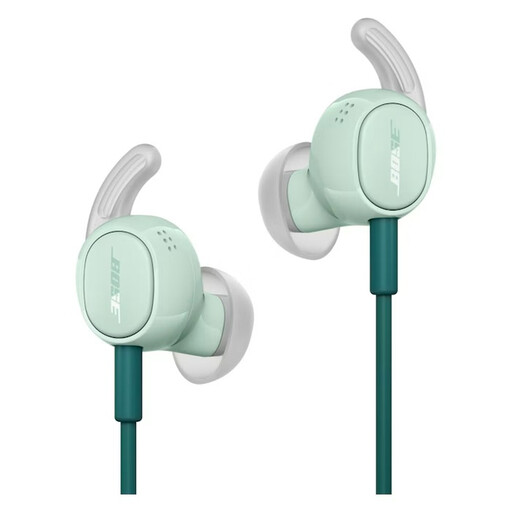
The wired version could be a good choice for private listening if your device has a compatible USB-C connection.
Listed as compatible with USB-C devices; the product description mentions QuietControl noise cancellation and an Aware mode.
 No image available
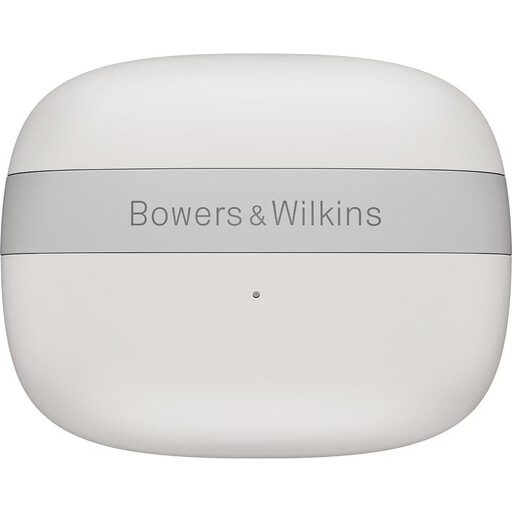
The true wireless design lets you listen privately without a cable connection to your playback device. Try the fit with your own recording.
The product details list Bluetooth 5.4, Active Noise Cancelling, four ear tip sizes and up to 8 hours of battery life.
 No image available
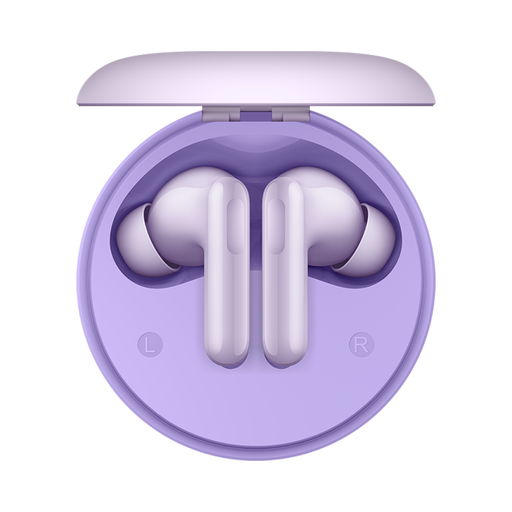
Described as wireless earbuds; check the fit and try them with your theatre recording before relying on the noise cancellation.
The product title lists a 12.4 mm driver, 49 dB Active Noise Cancellation and up to 42 hours of battery life. The noise cancellation figure doesn’t guarantee a particular effect in your bedroom.
 No image available
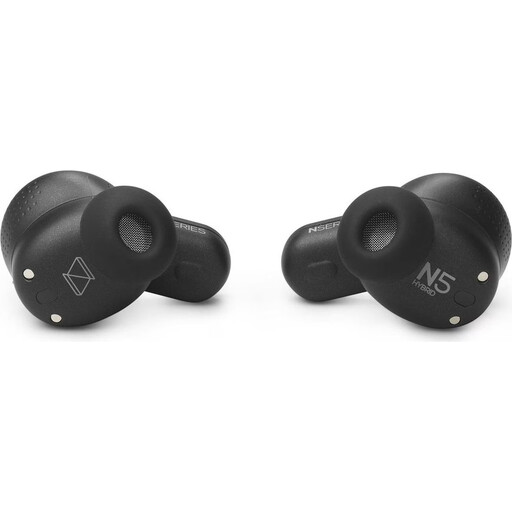
The product description lists several connection options for these in-ear headphones. Check which ones work with your playback device.
Bluetooth and a 2.4 GHz USB-C receiver are listed. According to the product description, a USB-A adapter is required. Adaptive noise cancellation and an ambient mode are also mentioned.
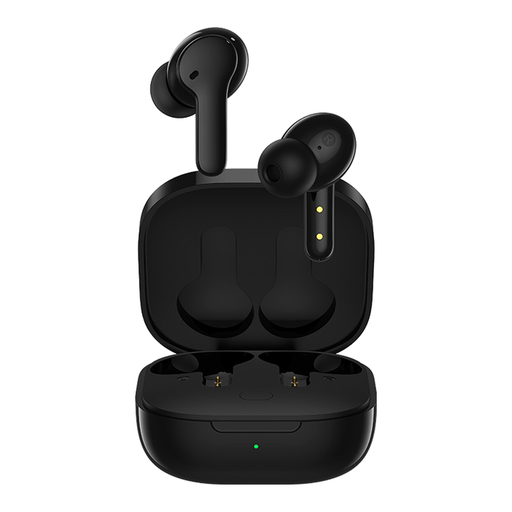 No image available
These wireless earphones with in-ear tips are an option for private listening. Check their comfort and how clearly you can hear your own recording.
The product description lists Bluetooth and controls for playback and calls.
Check that the connection on the specific model is compatible with your playback device, and start at a moderate volume. Try your own recording with different voices and ear tips; the manufacturer’s sound description can’t replace this comparison.
Try ear tips that fit well and make sure the headphones sit securely. The World Health Organization recommends well-fitting headphones to reduce the need to turn up the volume in noisy environments. It also notes that listening volume, duration and frequency affect the risk to your hearing. An advertised attenuation figure doesn’t guarantee a particular level of isolation in your ears.
No. Check the connection on the earphone itself and find a compatible replacement: Shure lists MMCX for the SE215, while Audio-Technica lists A2DC for the ATH-E40. The fact that both models have detachable cables doesn’t mean their cables are interchangeable.
No, there’s no straightforward answer. Under § 312g BGB, distance-selling contracts generally come with a right of withdrawal, but there’s an exception for sealed goods that aren’t suitable for return for health protection or hygiene reasons if their seal has been removed after delivery. Whether these conditions apply to a particular product can’t be determined from the term “in-ear” alone; check the information provided with your purchase.