If you’re listening repeatedly to quiet theatre dialogue, first check that your in-ear headphones fit comfortably and securely, at a moderate volume. F.A.Z. Kaufkompass highlights fit as an important influence on sound. A sound profile described by the manufacturer as neutral or balanced, along with passive isolation, may help you narrow down your options, but neither guarantees that your particular recording will be easier to understand. Also check that the connection is compatible with your playback device and that the headphones remain comfortable during longer listening sessions.
Who are these in-ear headphones for?
For anyone who wants to assess dialogue closely
If you’re replaying quiet lines, listening at a moderate volume is more useful than assuming that a particular sound description guarantees clear voices. Sennheiser and Etymotic describe the sound profiles of their respective models as balanced and neutral.
For listening in noisy surroundings
If background noise is drowning out quiet passages, a good fit and the passive isolation you can actually achieve matter. Shure describes the SE215’s ear tips as part of its isolation design, while the WHO notes that volume and listening duration are both important for safe listening.
For longer listening sessions
If you’re often replaying passages, your comfort, the right ear-tip size and a connection that suits your device all matter. Sennheiser and Shure list a range of ear-tip options for their respective models; check what’s included with the specific version before you buy.
What should you look for when buying?
First, check whether you can assess the recording clearly at a comfortable volume with a secure fit. Then consider isolation, long-term comfort and compatibility with your device.
| Buying criterion | What to look for | Who it matters most to |
|---|
| Quiet speech and sound balance | Compare a familiar quiet passage at the same, moderate volume. Distinguish between the manufacturer’s descriptions and what you hear for yourself. | If you want to assess dialogue repeatedly, how clear it is in the specific recording matters most. Around 33% of consumers prioritise quiet speech and sound balance. |
| Isolation | Try the ear tips in the environment where you’ll be listening. Don’t treat the manufacturer’s attenuation figures as a personal measurement. | If background noise is masking dialogue, effective passive isolation matters to you. Around 27% of consumers put blocking distracting noise first. |
| Fit during long sessions | Check the ear-tip sizes available and how comfortable the headphones feel over a listening session of your usual length. | If you replay long passages, you’ll want a fit that still feels comfortable after a while. Around 20% of consumers prioritise long-term comfort. |
| Connection and replacement parts | Check that the connector matches your playback device and that replacement parts are available for the specific version. | If you use wired in-ear headphones, they should work with your device without any uncertainty about the connection. Around 20% of consumers prioritise compatibility and replaceable parts. |
Common buying mistakes
Turning up the volume instead of checking the fit first
A poor fit can affect both isolation and how the headphones sound. The WHO identifies volume and listening duration as factors in safe listening.
Try different ear tips and check the fit before adjusting the volume. If quiet sections are still hard to understand, don’t try to solve the problem by listening at ever-higher volumes.
Treating a manufacturer’s attenuation figure as a personal measurement
Shure states that the SE215 offers noise reduction of up to 37 dB; Etymotic gives a passive attenuation figure of 35–42 dB for the ER2SE. These manufacturer figures don’t show how much isolation you’ll get with your own fit.
Compare the ear tips and comfort, then listen to the same quiet passage in your actual surroundings.
Overlooking the cable and device connection
The manufacturers list the IE 200, SE215 and DT 70 IE as wired models. Depending on the model and playback device, you may need a suitable adapter.
Before you buy, check your device’s connection, what’s included in the box and whether compatible replacement parts are available for the model.
Key brands at a glance
Sennheiser
The wired IE series may appeal if you’re looking for a sound profile that the manufacturer describes as balanced. The IE 200 is one example.
- For the IE 200, Sennheiser lists a detachable MMCX cable, a 3.5 mm plug and several ear-tip sizes.
- The sound description doesn’t show how clear a particular theatre recording will be for you; fit is still a personal matter.
Etymotic
Etymotic describes the ER2SE as having a neutral sound profile and being designed for passive isolation.
- The manufacturer lists 35–42 dB of passive attenuation and a replaceable cable for the ER2SE.
- Attenuation and comfort depend on your individual fit; the manufacturer’s figure can’t predict how comfortable the headphones will feel during a long session.
Shure
The wired SE215 is an option if passive isolation and a replaceable cable are among your priorities.
- Shure lists noise reduction of up to 37 dB, a choice of foam and Soft Flex ear tips, and an MMCX connector.
- The attenuation figure is a manufacturer’s claim. It doesn’t show how the headphones will fit you or whether quiet speech will be clearer.
beyerdynamic
According to beyerdynamic, the DT 70 IE is designed for mixing and critical listening, making it an option if you’re interested in detailed analysis.
- The manufacturer lists a closed, wired design, a 3.5 mm plug and MMCX.
- A professional focus alone doesn’t prove that it offers a noticeable benefit for learners. Check that the design and connection suit the way you plan to use it.
Joybuy products
The Joybuy products below include wired in-ear headphones with 3.5 mm or Lightning connections, as well as wireless models with active noise cancellation. Check which connection works with your playback device and which design suits your listening environment.
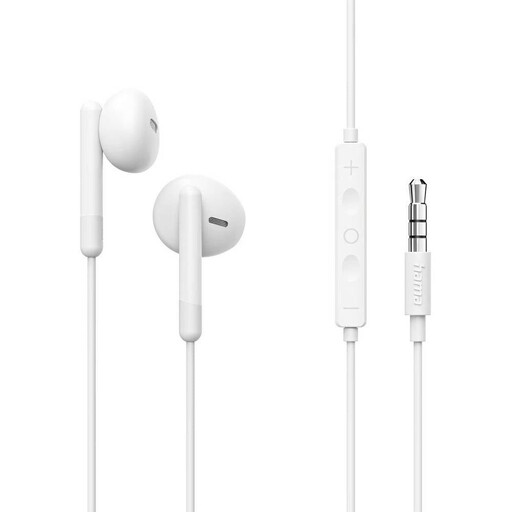 Image unavailable
Noble in-ear headphones with microphone and 3.5 mm connection, white
For wired listening if your device has a suitable 3.5 mm audio connection and you’re looking for a model with a microphone.
3.5 mm connection; white finish.
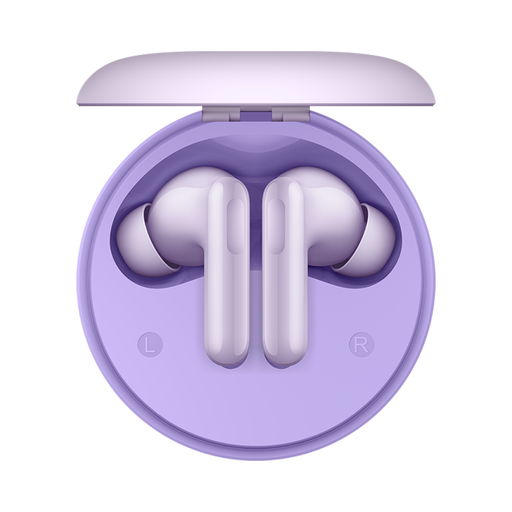 Image unavailable
HONOR Earbuds A Pro
For wireless listening if you’d like active noise cancellation; check that this design suits your listening environment.
12.4 mm driver; active noise cancellation with 49 dB; up to 42 hours of battery life with the charging case.
Wireless use requires regular charging.
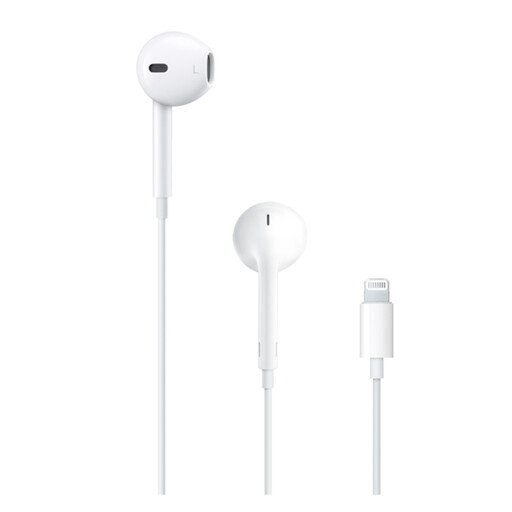 Image unavailable
Apple EarPods with Lightning connection
For wired listening if your device has a compatible Lightning connection.
Lightning connection; wired design.
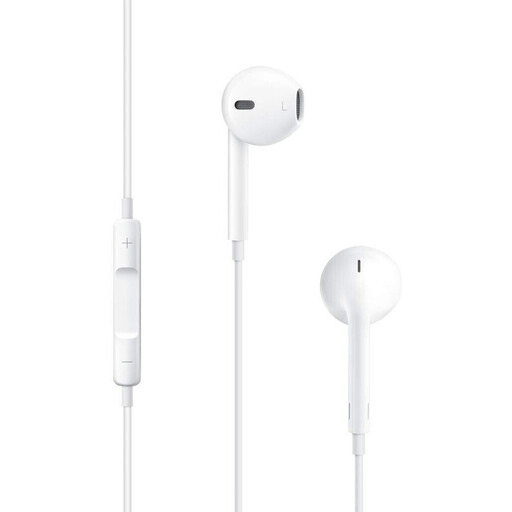 Image unavailable
Apple EarPods with 3.5 mm connection
For wired listening if your playback device has a suitable 3.5 mm headphone connection.
3.5 mm connection; wired design.
 Image unavailable
Samsung Galaxy Buds4 Pro, True Wireless, black
For wireless listening if you’re looking for active noise cancellation and don’t mind charging your headphones.
True wireless in-ear headphones with active noise cancellation; black finish.
Wireless use requires charging; the stated battery life depends on the charging case and how you use the headphones.
Frequently asked questions
Does a high attenuation figure automatically make quiet dialogue easier to understand?
No. Shure and Etymotic give attenuation figures for their respective models, but these don’t tell you how well the headphones will seal for you or how clear your particular recording will sound. Check the fit and listen to a familiar quiet passage at a moderate volume.
How can I listen to long or especially quiet sections while protecting my hearing?
Don’t keep turning up the volume to make quiet sections audible. The WHO identifies volume and listening duration as factors that work together, and gives 80 dB for up to 40 hours per week as an example of safe listening. You can’t directly measure this level by looking at the position of the volume control.
What should I check before connecting and when caring for my headphones?
Check that your playback device has a suitable connection or that you have a compatible adapter. Clean the ear tips according to the relevant manufacturer’s instructions and store the headphones in a dry place; Etymotic recommends this for its earphones.
What are my rights if an online purchase is faulty in Germany?
When you buy from a trader, EU consumer information states that you have a legal guarantee of at least two years from the date you receive the goods. This is separate from any additional manufacturer’s warranty. If you’re buying from a marketplace, check who the seller is.
Can I always return in-ear headphones after opening them?
No. It isn’t possible to give a blanket assurance that every in-ear headphone purchase can be returned. EU law provides an exception for certain unsealed goods that are unsuitable for return for health or hygiene reasons. Whether it applies to a specific offer depends on the goods and the circumstances; the relevant ruling by the Court of Justice of the European Union concerned a mattress, not in-ear headphones.


