Which features matter when listening to audiobooks on the train?
The WHO recommends well-fitting, noise-reducing headphones so you don’t simply turn up the volume in a noisy environment. However, how comfortable earphones feel and how clearly you can hear announcements will depend on the fit and the situation.
| What matters |
What to check before buying |
Who should pay particular attention |
| Understanding speech over train noise |
Check the ear-tip sizes and whether they provide a comfortable, snug fit. Don’t assume the manufacturer’s noise-reduction figures guarantee the same results on a train. |
If I want to follow a narrator over the sound of the train, I’ll check the fit first rather than simply turning up the volume. Around 28% of consumers are likely to prioritise speech intelligibility. |
| Comfort on longer journeys |
Compare the included ear-tip sizes and check for any pressure points or tugging. |
On longer journeys, I want ear tips that stay securely in place without pressing on my ears. Around 22% of consumers are likely to prioritise long-term comfort. |
| Reproducing spoken narration |
If possible, compare the sound with a familiar spoken-word recording. Don’t assume that a manufacturer’s claims apply to its entire range. |
If I mainly listen to travel stories, I want to check that I like the way voices sound. Around 22% of consumers are likely to prioritise voice reproduction. |
| Connection and power |
Check that the exact model’s plug works with your device, and confirm which cable is included. |
When changing trains, I want to listen without a headphone battery and use a compatible connection. Around 17% of consumers are likely to prioritise connection and use without a headphone battery. |
| Announcements and changes |
Check how quickly you can pause playback or switch on ambient mode. Pay attention to announcements yourself when an important stop is coming up. |
If I change trains frequently, I want to hear announcements without relying on a particular noise feature. Around 11% of consumers are likely to prioritise staying aware of announcements. |
Joybuy products for wired listening and ANC alternatives
This selection includes wired in-ear headphones for listening to audiobooks on the train, as well as wireless ANC models for those who prefer an ambient mode.
 No image available
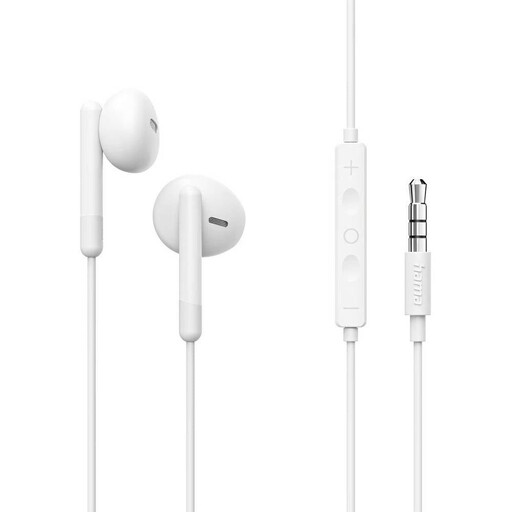
Noble wired in-ear headphones with 3,5-mm connection
For listeners who want to use their headphones without a battery; your playback device needs a compatible 3,5-mm audio connection.
View at Joybuy
 No image available
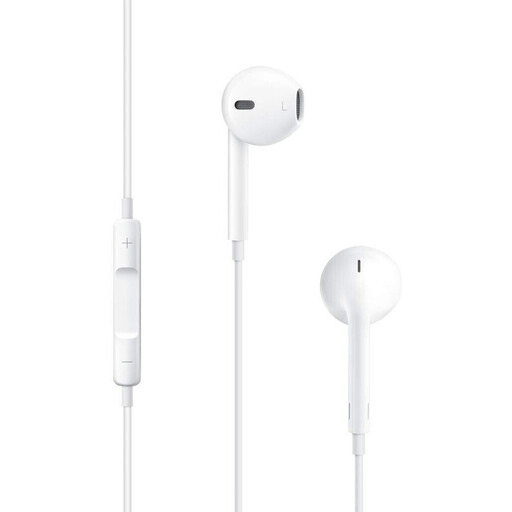
Apple EarPods with 3,5-mm connection
For wired listening without a headphone battery; check that your playback device has a compatible headphone socket.
View at Joybuy
 No image available
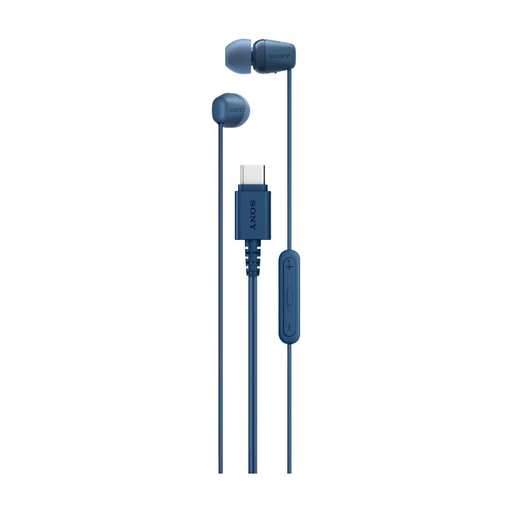
Sony IER-EX15C USB-C (Blue)
For listeners who want wired audio without needing a headphone battery; your playback device must have a compatible USB-C connection.
View at Joybuy
 No image available
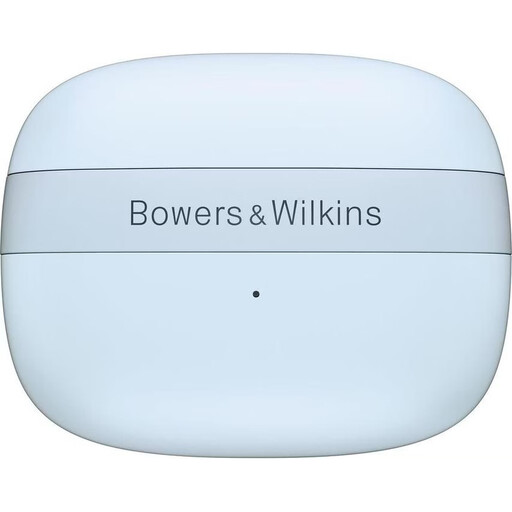
Bowers & Wilkins Pi6 True Wireless
A wireless ANC option for listeners who don’t want a cable; wireless use requires regular charging.
Bluetooth 5.4; active noise cancelling.
View at Joybuy
 No image available
Samsung Galaxy Buds4 Pro
For listeners who want wireless audio with ANC and ambient mode; regular charging is required.
View at Joybuy
Frequently asked questions about in-ear headphones on the train
How can I listen as safely as possible on a noisy train journey?
The WHO recommends using well-fitting, noise-reducing headphones instead of simply turning up the volume in a noisy environment. It also recommends taking breaks and suggests setting your device to no more than 60% of its maximum volume as a simple guideline. This is a guide, not a guaranteed decibel measurement for every device.
Can I use in-ear headphones in the quiet carriage on an ICE train?
Deutsche Bahn says that listening to music loudly, even through headphones, is not welcome in the quiet carriage on ICE trains. Set the volume so that you don’t disturb other passengers.
What should I check before using wired in-ear headphones for the first time?
Check that the plug matches the audio output on your playback device, and try the included ear-tip sizes. Start at a moderate volume. FiiO specifies a detachable 0,78-mm dual-pin cable for the FD11; Shure lists an MMCX connection for the SE215. These cable systems aren’t interchangeable just because both cables are detachable.
What are my rights if an online purchase is faulty?
For purchases from a trader in the EU, the European Union’s consumer portal explains that goods are covered by a legal guarantee of at least two years from the date you receive them. This guarantee is provided by the seller and is separate from any voluntary manufacturer’s warranty.
What should I look for when it comes to product safety in Germany?
For products within its remit, the Bundesnetzagentur checks, among other things, CE marking, product identification, manufacturer details, German-language instructions and the declaration of conformity. These checks don’t prove that any specific model mentioned here has been individually inspected.


