Who are the different types of in-ear headphones for?

Commuters bothered by train noise

If you want to understand spoken content on the train, pay attention to how the ear tips fit and whether passive isolation or ANC better suits your needs. A close seal and ANC are different approaches, and personal fit matters for both.

Long-distance listeners with wired devices

If you want to listen to longer podcast episodes without stopping to recharge and can use a compatible audio connection, a wired model could be right for you. Check your device’s connection and whether the ear tips and cable suit the way you’ll use them.

Travellers who change trains frequently

If you want to hear travel information when getting off the train, a pause button that’s easy to reach or an ambient mode can help. Don’t rely on a listening mode alone for important announcements; pause playback when needed.

What should you look for when choosing?

Wired in-ear headphones with passive noise isolation

A good fit if: you want to listen without relying on a headphone battery and your device has a compatible audio output.

Things to consider: the connection and cable need to work for you; strong passive isolation can make announcements harder to hear.

Wireless in-ear headphones with ANC

A good fit if: train noise often bothers you and you want to switch between ANC and hearing what’s around you, depending on the situation.

Things to consider: these models need charging. Features and manufacturer claims are no guarantee that speech will be clear or that you’ll hear every announcement.

Priority What to check before buying Who is this important to?
Understanding podcast voices Check how the ear tips fit and whether playback is easy to pause. Passive noise-isolation ratings and ANC claims aren’t directly comparable. If I want to understand podcast voices despite train noise, I look for a good fit and effective isolation without turning the volume up unnecessarily. Around 33% of consumers put speech clarity first.
Comfortable fit Compare the supplied ear tip sizes and the design; manufacturer information can’t tell you how a model will feel in your ears. If I wear in-ear headphones on longer journeys, I want them to feel comfortable in my ears. Around 27% of consumers put comfort first.
Hearing travel information Check whether you can pause playback quickly or switch on an ambient mode. Deutsche Bahn says that listening at high volume, including through headphones, is not welcome in ICE quiet zones. If I change trains frequently, I want to react quickly to announcements and pause my podcast. Around 20% of consumers put travel information first.
Connection or battery life Check that the plug matches your device’s audio output. For wireless models, check the stated battery life with ANC switched on. If my device only has certain connections or I want to listen without stopping to recharge, the connection or power supply needs to suit how I’ll use it. Around 20% of consumers put connection or power first.

Avoiding common buying mistakes

  • Comparing manufacturers’ noise reduction figures directly

    A passive attenuation rating in decibels and an ANC percentage don’t measure the same thing. Shure and soundcore provide manufacturer figures for specific models; these don’t reflect measurements taken on your particular train journey.

    Check fit and controls separately, and look for reviews of the exact model if needed, rather than using figures that measure different things to declare a winner.

  • Assuming a close seal means you’ll still hear announcements

    Strong passive isolation or ANC can make it harder to hear what’s happening around you. Ambient mode is no substitute for paying attention.

    Keep the pause control within easy reach and stop playback when you’re expecting important travel information.

  • Ordering wired headphones without checking the connection

    You can only use a wired model if its plug is compatible with your playback device’s audio output.

    Check the connection before buying and see whether you’ll need a suitable adapter.

Key brands at a glance

Shure

The wired SE215 is a passively isolating in-ear monitor with a choice of ear tips and a detachable cable.

  • Shure states that the SE215 with Fit Kit offers noise reduction of up to 37 dB and has a replaceable MMCX cable.
  • The attenuation figure is a manufacturer claim; you’ll need to check the fit and connection for yourself.

Sennheiser

The IE 200 is a wired in-ear model with a 3.5 mm plug, MMCX cable and adjustable ear hooks.

  • Sennheiser lists a choice of ear tips and a detachable cable.
  • You’ll need a compatible audio output; the manufacturer’s information doesn’t tell you how much noise the headphones will block on a train.

Etymotic

The ER2XR is a wired option with passive noise isolation.

  • Etymotic states that the ER2XR provides passive attenuation of 35–42 dB.
  • The manufacturer’s figure can’t predict how well the headphones will fit every ear. Comfort and your ability to hear travel information are also worth considering.

soundcore

The Liberty 4 NC are wireless in-ear headphones with ANC, multipoint connectivity and a charging case.

  • The manufacturer lists Adaptive ANC 2.0 and playback times of 10/50 hours.
  • The advertised ANC performance isn’t an independently verified measurement of performance on trains or podcast clarity.

Sony

The WF-1000XM6 are wireless ANC in-ear headphones with ambient and Quick Attention modes.

  • Sony lists multipoint connectivity and up to 8 hours of playback with noise cancelling switched on.
  • The maximum battery life is a manufacturer claim; it doesn’t tell you how the headphones will fit you or whether you’ll hear every announcement.

Joybuy products for podcasts on the go

This selection includes wired in-ear headphones with USB-C or Lightning connections, as well as wireless ANC in-ear headphones. Before buying, check your playback device’s connection and consider whether you’re happy to charge a wireless model.
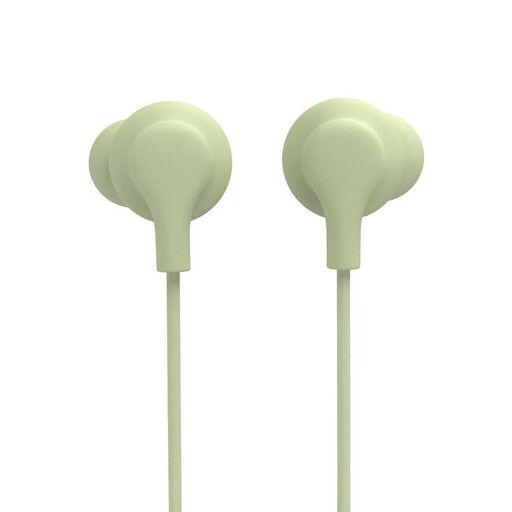
Curly wired in-ear headphones with USB-C

Curly in-ear headphones with USB-C

A wired option if you want to listen without relying on a headphone battery and your device supports USB-C audio.

USB-C connection, inline remote with microphone and silicone ear tips. Requires a device with USB-C audio output.

View at Joybuy
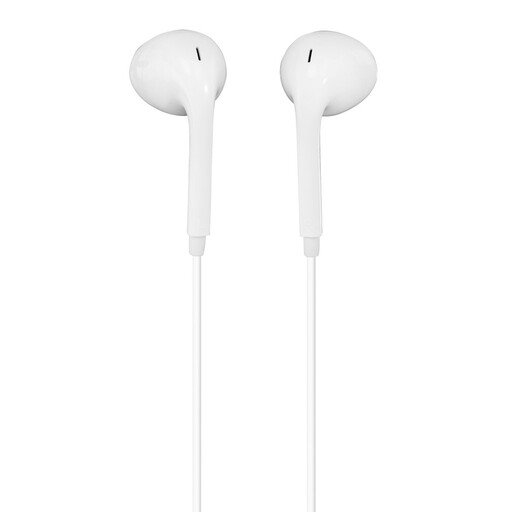
Glow II wired in-ear headphones with Lightning connection

Glow II in-ear headphones with Lightning

A wired option if your device supports Lightning audio and you want to listen without relying on a headphone battery.

Lightning connection, inline remote with microphone and three sizes of silicone ear tips. For devices that support Lightning audio output.

View at Joybuy
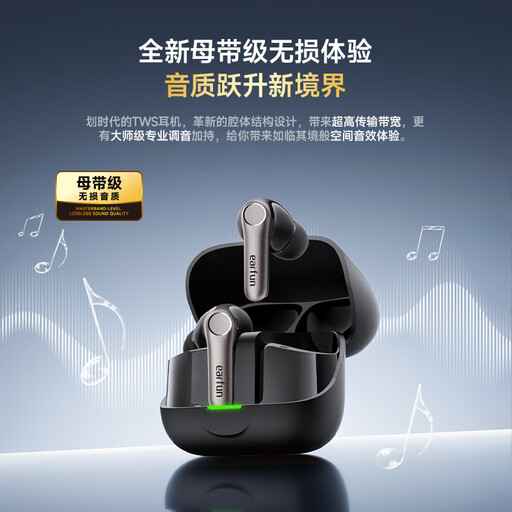
EarFun Air Pro 4+ wireless ANC in-ear headphones

EarFun Air Pro 4+

A wireless ANC option if train noise bothers you and you’d like to try different ear tip sizes.

ANC, multipoint connectivity and five ear tip sizes from XS to XL. The product description notes that brief audio dropouts may occur in areas with a high concentration of 2.4 GHz signals.

View at Joybuy

Bose Noise Cancelling Wired Earbuds with USB-C

Bose Noise Cancelling Wired Earbuds

A wired option if you want to listen without relying on a headphone battery and switch between the listening modes described.

USB-C connection, physical inline controls, three ear tip sizes and Quiet, Aware and ANC-off modes. Requires a compatible USB-C device.

View at Joybuy
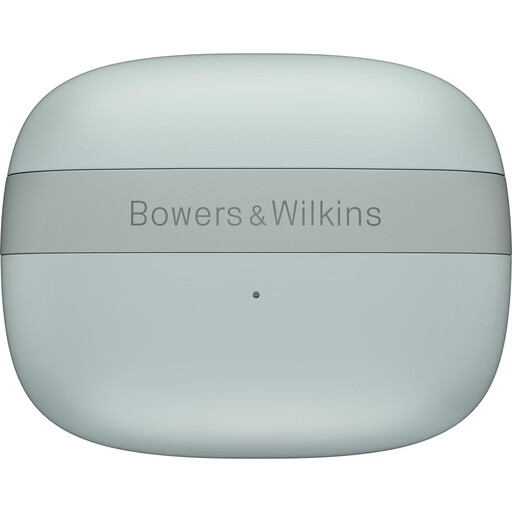
Bowers & Wilkins Pi6 True Wireless in-ear headphones

Bowers & Wilkins Pi6 True Wireless

A wireless ANC option if you’re looking for an adjustable fit and Bluetooth multipoint connectivity.

Bluetooth 5.4 with multipoint connectivity, ANC, four ear tip sizes and up to eight hours of stated playback time. These headphones are wireless and need a charged battery.

View at Joybuy

Frequently asked questions

What matters more for podcasts: ANC or a well-fitting ear tip?

Start by checking the fit and whether you can understand podcasts at a comfortable volume. ANC is another way to reduce outside noise, but passive attenuation figures and ANC percentages don’t measure the same thing or prove there’s a general benefit on your train journey.

How should I use in-ear headphones on longer journeys?

Try the supplied ear tip sizes as instructed by the manufacturer and make sure the fit is comfortable. The World Health Organization explains that volume, listening time and how often you’re exposed to loud sound all matter. Don’t turn the volume up just to overcome train noise, and pause when you’re expecting announcements.

What should I know about connections and consumer rights?

For wired headphones, check that the plug matches your device’s audio output and whether you’ll need an adapter. For a consumer purchase in the EU, you’re generally entitled to a legal guarantee from the seller for at least two years from receiving the goods; this is separate from any voluntary manufacturer’s warranty.

Can I listen to podcasts through headphones in an ICE quiet zone?

Deutsche Bahn says that listening at high volume, including through headphones, is not welcome in ICE quiet zones. This guidance from DB doesn’t apply to all rail companies or trains; make sure your headphones aren’t audible to other passengers.

How should I dispose of broken in-ear headphones or a charging case?

The German Environment Agency advises that electrical waste should be kept separate from household rubbish and taken to a recycling centre or an appropriate collection point, for example. Remove batteries and recycle them separately if you can do so easily.