For rehearsals in one place, well-fitting wired in-ear headphones are a natural starting point, provided your device has a suitable headphone output for playback. If you also want to hear your mic’d-up voice, your setup needs to route both signals into a monitor mix; the right signal path matters more than a wireless system. In-ears keep playback away from the room speakers, but they won’t make your unamplified singing inaudible.
Which in-ears are right for you?
Listen to playback quietly
If you’re practising backing vocals alongside someone else, you can listen to playback through in-ears instead of room speakers. Make sure they fit well and that the headphone connection is compatible with your device. Buying guides from Gearnews and product information from Shure highlight fit and connection as important factors to consider; the German Environment Agency also points to local regulations on neighbourhood noise.
Hear your voice in the mix
If you also need to hear your mic’d-up voice in your ears, check the entire signal path, from the microphone input to the headphone output. Focusrite’s information on direct monitoring explains how a compatible interface can combine the input signal and computer playback in your headphones.
Longer singing sessions
For repeated or longer rehearsals, a comfortable earpiece and monitor volume that’s easy to control are important. Shure lists various ear tips for the SE215; the World Health Organization notes that volume, listening time and how often you’re exposed to loud sound all matter.
What should you look for when buying?
First, work out whether you want to hear playback alone or your mic’d-up voice as well. Then focus on the connection, fit and how much freedom of movement you actually need.
| Consideration |
What to look for when buying |
Who is this important for? |
| Playback without speakers |
Check the fit of the earpieces and compatibility with the headphone output you plan to use. |
When I practise in a shared bedroom, I want to listen to playback through in-ears instead of turning on room speakers. Around 40% of consumers put this first. |
| Your voice in the mix |
Check the microphone input, headphone output and how your voice and playback are combined; avoid monitoring the signal twice. |
If I want to hear my backing vocals along with playback, my setup needs to route both signals to my headphones. Around 30% of consumers prioritise this vocal mix. |
| Fit and volume |
Check the sizes and materials of the included earpieces, and whether you can adjust the monitor volume. |
If I rehearse repeatedly or for longer periods, I need a comfortable fit and want to be able to control the volume. Around 20% of consumers put this need first. |
| Freedom of movement and replacement parts |
Check how much freedom of movement you need, as well as the connection, cable length and compatible replacement cable type. |
If I need to move freely while practising or want to replace a cable later, the right solution and connection matter. Around 10% of consumers prioritise flexibility or replaceable parts. |
Common buying and usage mistakes
-
Confusing noise isolation with soundproofing the room
In-ears mainly reduce the sound you hear at your ears. They won’t affect your unamplified singing voice or sound travelling between rooms.
Route playback through your in-ears, and take your housemates, the room and any applicable quiet hours into account when singing.
-
Buying in-ears alone and expecting a ready-made vocal mix
Headphones reproduce the signal sent to them; they don’t record your voice or mix it with the playback themselves.
Before buying, check the signal path from the microphone input to the headphone output, and whether your device supports direct monitoring.
Depending on your existing setup, you may also need a suitable microphone or audio interface.
-
Using Bluetooth as a live vocal monitor without checking first
Latency can make it harder to monitor your voice in real time while singing.
If you want to hear your voice directly, first check for a suitable wired signal path or a system specifically designed for monitoring.
-
Confusing maximum possible volume with a suitable practice level
The World Health Organization notes that volume, duration and how often you’re exposed to loud sound all matter.
Keep the monitor level low and take breaks during longer rehearsals.
Key brands to consider
Shure
The wired SE215 is a monitoring earphone. Shure explicitly labels it “Professional Use Only”, so check whether it’s suitable for your intended use.
- Shure lists a replaceable MMCX cable and various earpieces in the Fit Kit.
- Shure’s stated noise reduction of up to 37 dB is not a guaranteed figure for every ear.
Sennheiser
The wired IE 100 PRO is designed for stage and studio use. For a bedroom rehearsal, the main things to check are the fit and whether you have a suitable audio output.
- Sennheiser lists a dynamic 10 mm driver for this model, along with silicone and foam ear tips.
- The noise attenuation documented by Sennheiser is below 26 dB; this figure is not the result of a direct comparison test with other earphones.
beyerdynamic
According to beyerdynamic, the DT-7X in-ear series includes models for different uses.
- beyerdynamic positions the DT 72 IE for guitar and vocals, and the DT 70 IE for critical listening and mixing.
- The sound profiles and isolation figures described by the manufacturer don’t replace checking the fit, connection and actual monitor mix.
Audio-Technica
The wired ATH-E40 is another in-ear monitoring option for rehearsing in one place.
- Audio-Technica lists ear tips in four sizes and a detachable 1.6 m cable with a 3.5 mm plug.
- The cable uses Audio-Technica’s proprietary A2DC connection at the earpiece, so a standard MMCX replacement cable won’t fit.
Joybuy products for wired rehearsals
These products are wired in-ears for playing back audio at your practice spot. Before buying, check that the connection is compatible with your device and the monitor mix you need.
 No image available
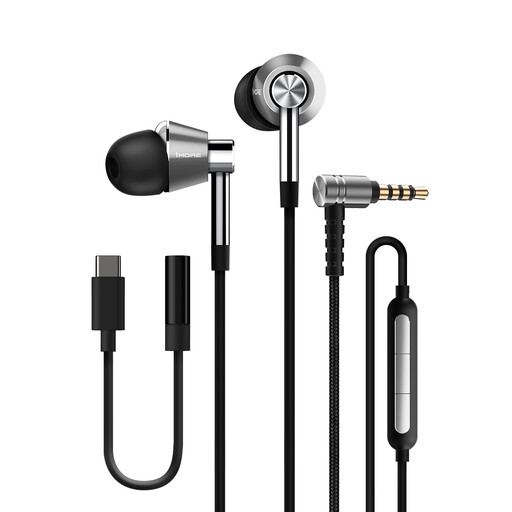
1MORE E1001 Triple Driver wired in-ear headphones with MEMS microphone, Silver
Suitable for playback at a fixed practice spot if your device has a compatible headphone output. The product name specifies wired in-ears and a MEMS microphone; you’ll still need a suitable signal path to mix your voice with the playback.
View on Joybuy
 No image available
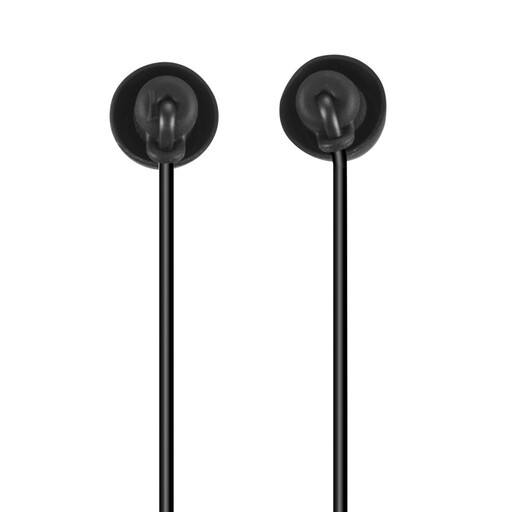
Calm in-ear headphones with USB-C and microphone, Black
Designed for wired playback with a compatible USB-C device. The product name specifies a built-in microphone; to hear your singing voice in the playback mix, your setup needs to route both signals to the headphone output.
View on Joybuy
 No image available
Bose wired noise-cancelling earbuds, Black
For playback with a compatible USB-C device; the product information says a connection cable is included. Check that the connection is compatible with your device. To mix in your mic’d-up voice, you’ll need an additional suitable monitoring signal path.
View on Joybuy
 No image available
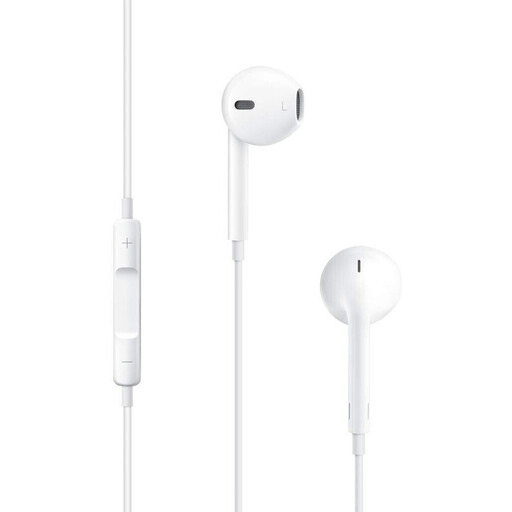
Apple EarPods with 3.5 mm headphone plug
Suitable for playback in one place if your device has a compatible 3.5 mm headphone output. To hear your voice and playback together, the connected device needs to provide the right monitor mix.
View on Joybuy
 No image available
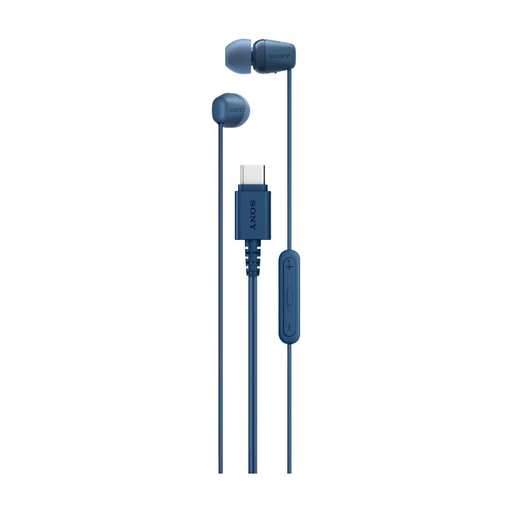
Sony IER-EX15C wired USB-C earbuds, Blue
Designed for playback with a compatible USB-C device. The product name specifies a built-in microphone; to mix in your backing vocals, the device needs to route the microphone signal to the headphone output.
View on Joybuy
Frequently asked questions
Can I sing silently with in-ears in a shared bedroom?
No. You can listen to playback through in-ears instead of room speakers, but your singing voice will still be audible in the room. How it affects others also depends on the building and the specific situation.
How can I hear my voice along with the playback?
Your existing device needs to be able to combine the microphone input, playback and headphone output into a monitor mix. Focusrite describes this for the Scarlett 4i4 using Direct Monitoring; having DAW monitoring switched on at the same time can cause an echo.
How should I look after my in-ears, and which replacement parts should I check?
Before buying, check whether earpieces and a replacement cable compatible with the relevant connector system are available. Shure, Sennheiser and Audio-Technica document different earpieces or cables for the models mentioned here; this doesn’t mean they share a common cable standard.
Is there a standard time for bedroom singing practice in Germany?
For noise between neighbours caused by people’s behaviour, the German Environment Agency refers to regulations set by federal states and local authorities, as well as house rules. The rules that apply to a particular rehearsal therefore depend on the location and the relevant regulations.
Can I use any wireless in-ear system in Germany without checking anything else?
Check the frequency and terms of use for the specific device variant. The Federal Network Agency publishes general allocations for certain frequencies and conditions; the word “wireless” alone doesn’t mean a device is approved for use.


