If you mainly want to listen to choral voices and quiet passages in one place, a well-fitting wired in-ear monitor is a sensible starting point – as long as its connection and cable work for your everyday needs. Sennheiser describes the IE 200 as balanced, while Etymotic describes the ER2SE as having a flat response. These are manufacturers’ descriptions, not the results of comparative listening tests. When there’s noise in your room, the fit of the ear tips matters: a strong seal can also make it harder to hear people speaking to you.
Who are these options suitable for?
Attentive choral listeners
If you want to distinguish voices and quiet passages at a comfortable volume, consider the tuning of the specific model and make sure it fits evenly. Sennheiser describes the IE 200 as balanced, while Etymotic describes the ER2SE as having a flat response. The right choice ultimately comes down to personal preference.
Listeners distracted by room noise
If conversations or other sounds mask quiet passages, well-fitting ear tips are an important consideration. The isolation figures quoted by Etymotic and Shure relate to specific models, not to how well the tips seal in your ears.
Listeners who sit for longer sessions
When listening to longer choral recordings, comfort comes down to whether the ear tips remain comfortable for as long as you usually listen. With wired models, you should also check the connection and cable. Sennheiser and Shure list detachable cables for certain models.
What should you look for when buying?
Wired and focused on vocals
A good fit if: you mainly listen in the same place and have a suitable 3.5-mm connection or adapter.
The trade-off: The cable limits your freedom to move, and manufacturers’ descriptions of tuning are no substitute for comparing the sound yourself.
Wired with passive isolation
A good fit if: room noise is distracting and you can find a comfortable, secure fit with different ear tips.
The trade-off: Blocking out more ambient noise can also make it harder to hear your housemates. Manufacturers’ figures aren’t directly comparable.
Wireless with ANC as an alternative
A good fit if: freedom to move and a switchable ambient mode matter more to you than avoiding the need to charge.
The trade-off: Battery life depends on the mode you use. ANC and ambient mode don’t guarantee complete quiet or that you’ll hear everyone speaking to you.
| What matters |
What to check before buying |
Who should pay particular attention? |
| Choral voices and quiet passages |
Check the tuning of the specific model and how it fits, using the same familiar recording at a comfortable volume. Sennheiser describes the IE 200 as balanced, Etymotic describes the ER2SE as having a flat response, and Shure describes the SE215 as having deep bass. |
If voices matter more to me than boosted bass, I want to compare different models using a familiar passage. Around 40% of consumers focus primarily on choral voices and sound tuning. |
| Isolation in a shared room |
Check the fit and ear tips. Shure quotes up to 37 dB of ambient noise reduction for the SE215; Etymotic quotes 35–42 dB of passive attenuation for the ER2SE. These manufacturer figures aren’t directly comparable. |
If conversations in the room mask quiet passages, a good seal matters to me – but I still need to be able to hear people speaking to me. Around 30% of consumers prioritise isolation from room noise. |
| Comfort during longer listening sessions |
Check the available sizes and materials, and try the fit for as long as you’d usually listen. Sennheiser lists silicone and memory foam tips in S, M and L for the IE 200. |
If I listen to longer works in one sitting, I want the fit to stay comfortable for as long as I usually listen. Around 20% of consumers pay particular attention to long-term comfort. |
| Connection and ease of use |
For wired models, check the output on your audio source: Sennheiser lists a 3.5-mm connection for the IE 200, as does Shure for the SE215 version described here. Sony quotes up to 8 hours of playback with noise cancelling switched on for the wireless WF-1000XM5. |
If I first need to check whether my audio source is compatible or how often I’ll need to charge, an easy connection matters to me. Around 10% of consumers focus primarily on connection and ease of use. |
Common buying misconceptions
-
Assuming advertised isolation figures reflect how well they’ll work in your ears
Shure and Etymotic quote figures for different models. Without a good seal, room noise may still mask quiet choral passages.
Try the available ear tips at a comfortable volume, and consider whether you need to be able to hear your housemates in the room.
-
Assuming a model is neutral just because it’s described as ‘for musicians’
The manufacturers describe their models’ tuning differently: Etymotic calls the ER2SE flat-tuned, Sennheiser describes the IE 200 as balanced, and Shure describes the SE215 as bass-heavy.
Compare the specific model variant using a familiar choral recording. Take particular care not to confuse the ER2SE with the ER2XR.
-
Checking the connection and accessories only after placing your order
According to the manufacturers, the IE 200 and SE215 have a 3.5-mm connection. A detachable cable doesn’t automatically mean that every replacement part is compatible with every model.
Check your audio source’s connection, the exact model variant, what’s included and whether replacement parts are compatible.
Depending on your audio source, you may need a suitable adapter. You may also need compatible ear tips or a replacement cable.
A guide to the relevant brands
Sennheiser
The wired IE 200 may appeal to listeners who want to compare vocals using a model that the manufacturer describes as balanced.
- Sennheiser lists a detachable MMCX cable with a 3.5-mm plug, plus silicone and memory foam tips in S, M and L.
- ‘Balanced’ is the manufacturer’s description. It doesn’t guarantee a personal fit or a particular listening experience.
Etymotic
According to the manufacturer, the ER2SE is for listeners looking for a flat response and passive isolation.
- Etymotic quotes 35–42 dB of passive attenuation for the ER2SE and lists a replaceable cable.
- The attenuation figure isn’t a measurement taken in your own ears. The model suffix matters: Etymotic distinguishes the ER2SE from the bassier ER2XR.
Shure
The wired SE215 may be an option if adjustable ear tips and passive isolation are important to you.
- Shure lists a Fit Kit, a replaceable cable and up to 37 dB of ambient noise reduction.
- Shure also describes the SE215 as having deep bass. Isolation alone doesn’t make it a neutral-sounding option.
Sony
The wireless WF-1000XM5 is a feature-rich alternative for listeners looking for ANC, freedom to move and a switchable ambient mode.
- Sony lists ANC and an ambient mode.
- Sony quotes up to 8 hours of music playback with noise cancelling switched on, so you’ll need to plan when to charge it. The manufacturer’s sound quality claims aren’t an independent assessment of choral recordings.
Wireless Joybuy in-ear headphones with noise cancelling
The following Joybuy products are wireless in-ear headphones with noise cancelling, making them a feature-rich alternative to wired monitors. Check the stated battery life and charging requirements for each model, and make sure its listed features suit the way you listen.
 No image available
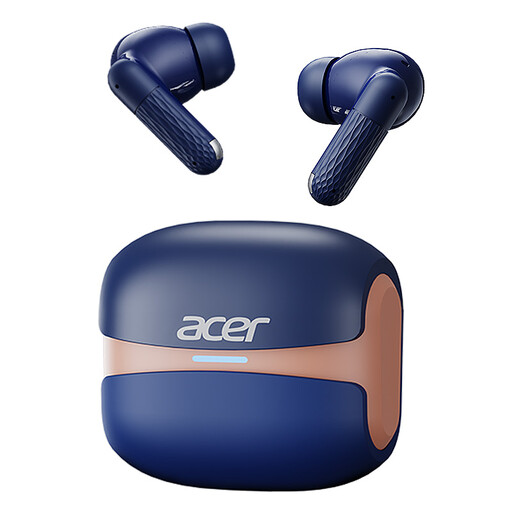
Acer OHR548 Wireless Earphones
A wireless option if you want to use noise cancelling and adjustable ambient sound when listening.
Bluetooth 5.4; adaptive noise cancelling and adjustable ambient sound according to the product description; stated battery life: 6 hours.
Joybuy
 No image available
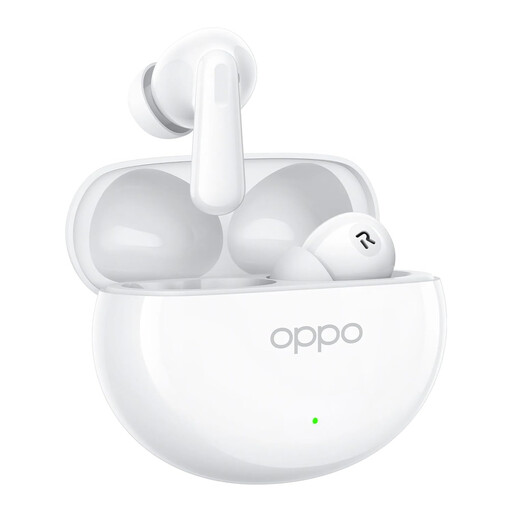
OPPO Enco X4 True Wireless Noise Cancelling Earbuds, Glacier White
A wireless option with ANC and transparency mode, so you can switch between noise cancelling and hearing what’s going on around you.
Bluetooth 5.4; IP55; up to 43 hours of total playback with the charging case according to the product description.
Joybuy
 No image available
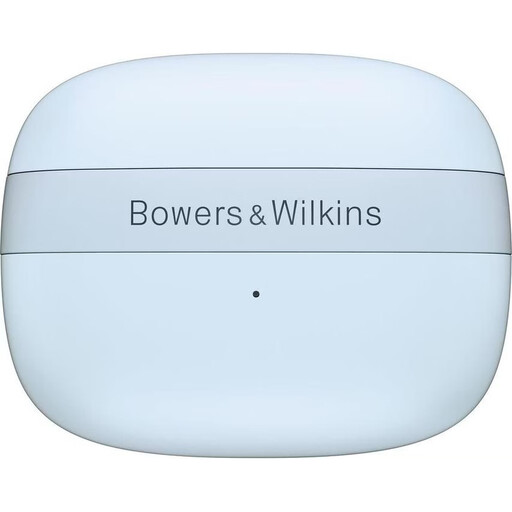
Bowers & Wilkins Pi6 True Wireless in-ear headphones
A wireless option with ANC and a closed-back design if you prefer an in-ear fit when listening.
12-mm drivers; Bluetooth 5.4 with aptX Adaptive; multipoint; up to 8 hours of battery life according to the product description.
Joybuy
 No image available
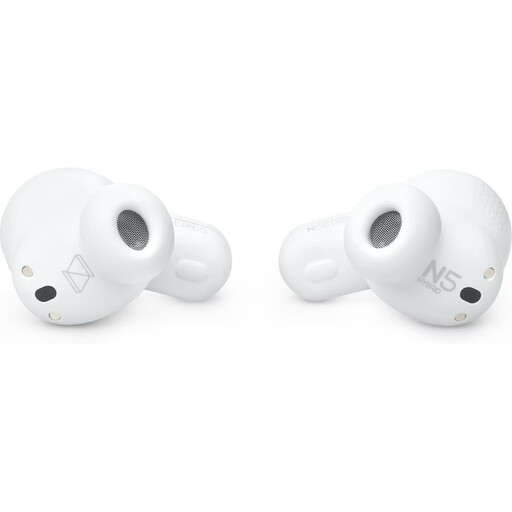
AKG N5 Hybrid True Wireless Earbuds
A wireless option with adaptive noise cancelling and adjustable ambient sound.
Bluetooth 5.3 and 2.4-GHz USB-C receiver according to the product title; closed in-ear design; stated battery life: 6 hours.
Joybuy
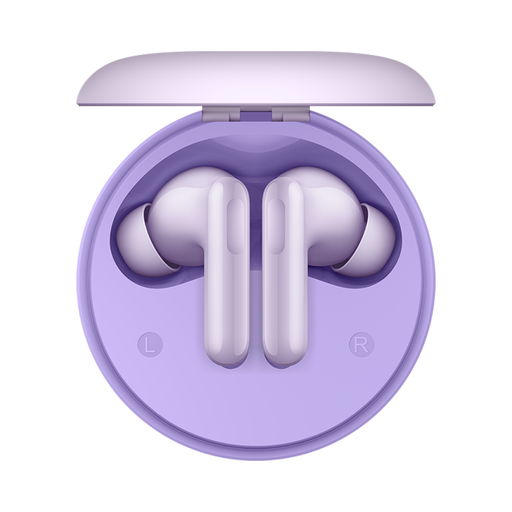 No image available
HONOR Earbuds A Pro
A wireless in-ear option with active noise cancelling if you want to reduce room noise while listening.
12.4-mm drivers; stated noise cancellation of 49 dB; up to 42 hours of playback with the charging case according to the product information.
Joybuy
Frequently asked questions
Do I need to set up in-ear monitors specially for choral recordings?
With a wired model, first check your audio source’s connection and choose suitable ear tips. Start at a comfortable volume, listen to a familiar recording and check the fit before turning the volume up to hear masked passages.
How should I care for my headphones, and what extra costs might there be?
Keep your headphones dry and clean, and follow the care instructions from the manufacturer of your model. Replacement cables or tips may mean extra costs for models with replaceable parts, so check compatibility and what’s included before buying.
How long and how loudly should I listen?
The World Health Organization suggests an average of 80 dB for up to 40 hours a week as a guideline for adults. It also recommends well-fitting headphones to help stop background noise tempting you to turn up the volume. This isn’t a limit that’s automatically set at your ear, and the recommended listening time falls considerably as the volume rises.
Can I always return in-ear headphones bought online in Germany after trying them on?
For online purchases from a trader in the EU, there is generally a 14-day right of withdrawal from delivery, as Your Europe explains. Exceptions and the terms of the specific purchase should be checked. Simply describing a product as a hygiene item isn’t enough to conclude that every in-ear headphone you’ve tried on is excluded from the right of withdrawal.


