What should you look for when buying?
First, check whether the sound profile makes voices easy to follow and whether the in-ear is comfortable to wear. Then consider the background noise, how long you plan to listen for and the connection on your playback device.
| What matters |
What to check when buying |
Who is it important to? |
| Following details in speech |
Sound profile and a listening test with a familiar recording at a moderate volume. |
If I compare quiet words or variations in pronunciation several times, I want to follow voices without relying on boosted bass. Around 36 % of consumers say speech detail is their main priority. |
| Blocking out background noise |
Check the sizes of the tips and that they fit securely; don’t treat manufacturers’ maximum figures as a measure of how much noise will be blocked for you. |
In a noisy environment, I want to hear quieter parts without simply turning up the volume. Around 29 % of consumers rank noise isolation as their top priority. |
| Comfort during long sessions |
Check the sizes and materials of the supplied tips, and make sure they fit securely without pressing uncomfortably. |
During longer listening sessions, I want a comfortable fit that doesn’t press on my ears or need constant adjustment. Long-term comfort comes first for around 21 % of consumers. |
| Connections and replacement parts |
Check your device’s output and make sure it matches the exact connection on any replacement cable you’re considering. |
If I want to use a device I already own or replace a cable, the connection needs to match exactly. Around 14 % of consumers put connections and compatible replacement parts first. |
Joybuy products for listening to recordings
These wireless in-ear headphones may be worth considering if you want to play recordings and, depending on the model, use playback settings or noise cancellation. The product features listed don’t prove that quiet passages of dialect are easier to understand.
 No image available
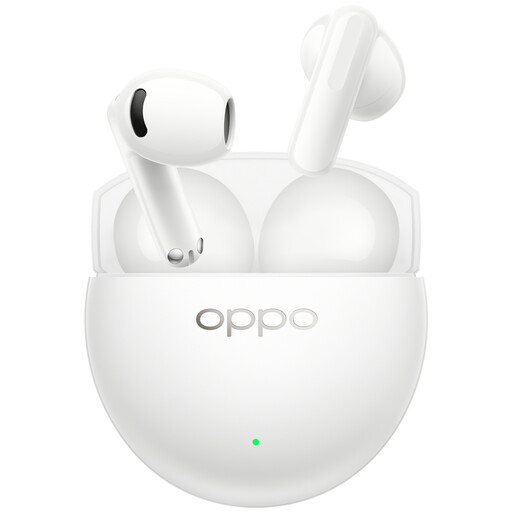
OPPO Enco Air5s, Lunar White
Could suit you if you’re looking for wireless in-ears for playing speech recordings; the product description lists ANC and a 10-band equaliser.
View at Joybuy
 No image available
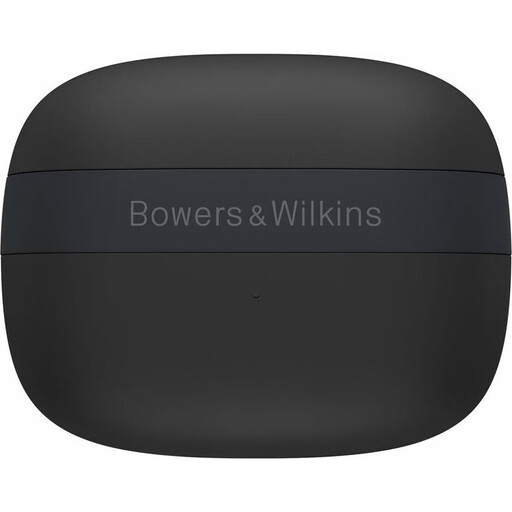
Bowers & Wilkins Pi6 True Wireless In-Ear Headphones
An option if you’re looking for wireless in-ears with ANC and a choice of tip sizes; the product description lists four interchangeable sizes.
The stated choice of tips doesn’t prove that they’ll fit you personally or make quiet passages of dialect easier to understand.
View at Joybuy
 No image available
Samsung Galaxy Buds4 Pro, Black
Could be worth considering if you’re looking for wireless in-ears with an adjustable equaliser and ANC; the product description also lists an ambient sound mode.
An equaliser or ANC on its own doesn’t prove that quiet passages of dialect will be easier to understand.
View at Joybuy
 No image available
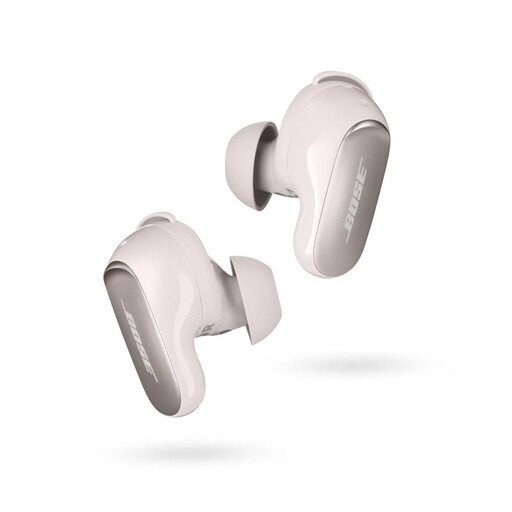
Bose QuietComfort Ultra Earbuds, White
Could suit you if you’re looking for wireless in-ears with ANC for listening in noisy surroundings; the product description lists nine combinations of ear tips and stability bands.
The product description advises against using ANC in situations where you need to hear background sounds.
View at Joybuy
 No image available
MINISO MS106 Wireless Bluetooth 6.0 Earphones
An option if you’re looking for wireless in-ears with adaptive noise cancellation; this feature is listed in the product description.
The product description also lists a connection to multiple devices. This doesn’t tell you how easy quiet dialect recordings are to understand.
View at Joybuy
Frequently asked questions
Should I simply turn up the volume for quiet passages of dialect?
Not necessarily. First, check how the ear tips fit and whether you can listen somewhere quieter. The World Health Organization notes that the risk to your hearing depends on volume and listening duration; its examples of listening times aren’t volume settings for any particular model.
How should I fit and care for ear tips?
Choose a size that seals well without pressing uncomfortably. For its foam tips, Shure recommends compressing the tip before inserting it and allowing it to expand in your ear. Cleaning and care depend on the material, so follow the instructions for your model.
What should I check when it comes to connections and replacement cables?
First, check the output on your playback device and match it to the in-ear’s plug. The wired models described here are listed with a 3.5 mm plug, but the connection at the earpiece end varies: Audio-Technica specifies A2DC for the ATH-E40, while beyerdynamic specifies MMCX for the DT 30 IE. Choose replacement cables by model and connection.
What rights apply when buying in-ears online in Germany?
For a qualifying distance contract with a business seller, you generally have a 14-day right of withdrawal. Section 312g of the German Civil Code (BGB) lists, among other things, an exception for certain sealed goods that cannot be returned for reasons of health protection or hygiene if their seal has been removed after delivery; whether a particular product falls under this exception depends on the relevant conditions. The right of withdrawal and statutory rights for faulty goods are separate claims. The European Commission explains that purchases of goods from traders are covered by a statutory minimum guarantee period of two years.


