For repeated listening with as little change as possible, a well-fitting wired in-ear monitor is an obvious choice, provided its connection is compatible with your audio source. If freedom of movement matters more to you, a wireless option could be a better fit; check the battery life, whether a cable is included and your airline’s rules. With either option, fit and a sensible volume are what matter.
Who are in-ear monitors for?
Groove listeners amid cabin noise
If you want to listen repeatedly to the kick, snare and ghost notes without turning the volume up to compete with aircraft noise, fit and seal are important factors to consider. Manufacturers’ attenuation figures don’t guarantee a particular result for you. The WHO notes that volume and listening time both matter for your hearing.
Drummers who focus on the detail
If you want to compare the hits and timing in a prepared recording, the sound signature should suit what you want to hear. Repeat or slowdown functions depend on your audio source or software, not the in-ears themselves. For example, Audacity describes changing the tempo without an intended change in pitch.
Long-haul listeners who prioritise comfort
For longer listening sessions, it’s worth checking the fit, connection and, where applicable, battery charge before you fly. Shure and Sennheiser list different eartip options for some models, but that’s no substitute for trying them on yourself. Sennheiser also gives a separate playback time for the IE 100 PRO Wireless.
What should you look for when buying?
Wired in-ear monitor
A good fit if: You listen repeatedly to a prepared recording, don’t want to factor in headphone battery life and your audio source is compatible with the cable connection.
Things to consider: The cable and, where needed, a suitable adapter limit your freedom of movement; strong passive isolation can make announcements harder to hear.
Wireless in-ear monitor
A good fit if: You want to sit without a cable and listen to saved recordings. For the IE 100 PRO Wireless, Sennheiser lists a Bluetooth adapter and a standard cable in the box.
Things to consider: Bluetooth needs charging; Sennheiser’s stated playback time of up to 10 hours applies to the Wireless version. Your airline decides whether wireless connections may be used on board.
For listeners who want to analyse a drum groove on a long-haul flight, the main consideration will depend on what matters most to them: isolation, assessing the sound, long-lasting comfort or the connection.
| What matters |
What to check before buying |
Who it matters most to |
| Isolation at a sensible volume |
Try several eartip sizes with a recording you know well. Shure states up to 37 dB for the SE215, while Etymotic gives 35–42 dB of passive attenuation for the ER2SE; these are manufacturers’ figures, not directly comparable measurements taken in an aircraft cabin. |
If I want to hear quieter elements of a groove without turning up the volume because of cabin noise, a good seal comes first for me. Around 31% of consumers prioritise isolation in this situation. |
| A sound signature that suits the groove |
Listen to the same familiar passage on each option. Etymotic describes the ER2SE as having a flat response and the ER2XR as having more bass; tempo changes depend on the playback software. |
If I want to assess the hits and tonal balance of a familiar recording, I focus above all on a sound signature that suits what I want to hear. Around 25% of consumers prioritise assessing the sound. |
| Fit during longer listening sessions |
Try different sizes and materials during a comfortable listening session. Shure and Sennheiser list silicone and foam options for certain models; having these options doesn’t guarantee individual long-term comfort. |
If I want to listen comfortably with a secure fit during longer stretches of a flight, comfort is my main priority. Around 25% of consumers prioritise fit during longer listening sessions. |
| Connection and use on board |
Check your audio source’s connection, any adapters you need and, for Bluetooth, the battery charge. The EASA says the airline decides whether personal electronic devices may be used. |
If the connection to my audio source or how the device works during the flight will determine my buying decision, I check these details in advance. Around 19% of consumers prioritise connection and use on board. |
Common buying and usage mistakes
-
Treating manufacturers’ attenuation figures as guaranteed cabin performance
Attenuation figures refer to different models and are supplied by their manufacturers. Fit and eartips affect what you actually hear.
Check the fit with a familiar passage and don’t simply turn the volume up to overcome background noise.
-
Buying wired earphones without checking your audio source
A stated 3.5 mm plug won’t necessarily connect to your particular device.
Before deciding, check your device’s connection and output, along with any adapters you might need.
-
Assuming the wireless version comes with the same accessories as the wired one
What’s included can vary between versions. Sennheiser specifically lists a standard cable for the IE 100 PRO Wireless.
Check the model name and what’s included separately, and also check the charge and your airline’s rules.
-
Turning up the volume to compensate for long listening sessions
The WHO notes that volume and listening time both matter for your hearing.
Prioritise a good fit, listen at a sensible volume and take listening breaks.
Brands worth considering
Shure
The SE215 is a wired monitor with a choice of eartips and a replaceable cable. The SE425 is a separate version with two drivers.
- Shure states that the SE215 reduces ambient noise by up to 37 dB and includes foam and Soft Flex eartips.
- The attenuation figure is a manufacturer’s claim, not an independently measured result on a flight. The SE215 and SE425 are different versions.
Sennheiser
The IE 100 PRO is worth considering for wired monitoring; the IE 100 PRO Wireless adds a Bluetooth adapter and a standard cable.
- Sennheiser lists silicone and foam eartips for the IE 100 PRO. For the IE 100 PRO Wireless, the manufacturer states up to 10 hours of playback.
- That playback time isn’t a measurement for your flight. Check the eartip options and accessories for the exact version.
Etymotic
According to the manufacturer, the ER2SE and ER2XR differ in their bass response. The ER2SE is worth considering if you’re looking for a sound signature the manufacturer describes as flat.
- Etymotic states that the ER2SE offers 35–42 dB of passive attenuation and has a user-replaceable cable.
- These figures don’t confirm how the earphones will fit you or perform in an aircraft cabin. The ER2XR has a different bass response.
beyerdynamic
The DT 30 IE is a wired monitor with replaceable parts. The manufacturer also offers the separate DT 71 IE, tuned specifically for drums and bass.
- beyerdynamic lists a 3.5 mm plug, a 1.4 m cable and up to 39 dB of passive isolation for the DT 30 IE.
- The DT 71 IE’s sound signature shouldn’t be attributed to the DT 30 IE. The isolation figure is no substitute for trying the fit yourself.
Joybuy product selection
This selection includes wired in-ears for listening without Bluetooth, as well as wireless models. Check the fit and connection for each product; for Bluetooth, follow your airline’s rules.
 No image available
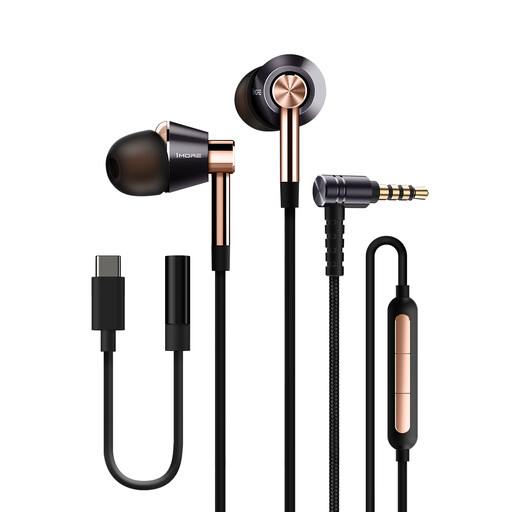
1MORE E1001 Triple Driver
A wired option if you want to listen without Bluetooth and try different eartip sizes.
The product description lists three drivers, a noise-isolating design, and silicone and foam eartips. An airline adapter option is also listed.
View at Joybuy
 No image available
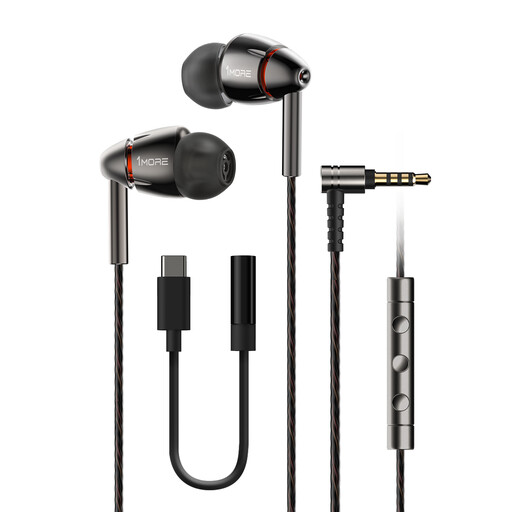
1MORE Quad Driver
A wired option if you want to try different eartips and check the connection against your audio source in advance.
The product description lists four drivers, a warm bass sound signature, eight pairs of eartips and a 3.5 mm to USB-C adapter.
View at Joybuy
 No image available
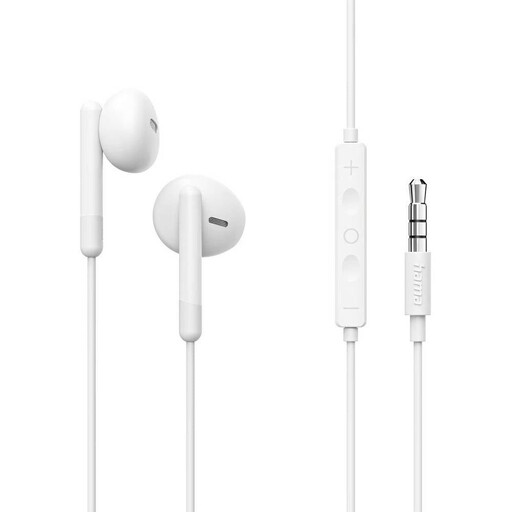
Noble in-ear headphones, 3.5 mm
A wired option if your audio source has a compatible 3.5 mm headphone socket.
The product description lists an in-line microphone and cable-mounted remote. You’ll need a compatible device with a 3.5 mm connection to use them.
View at Joybuy
 No image available
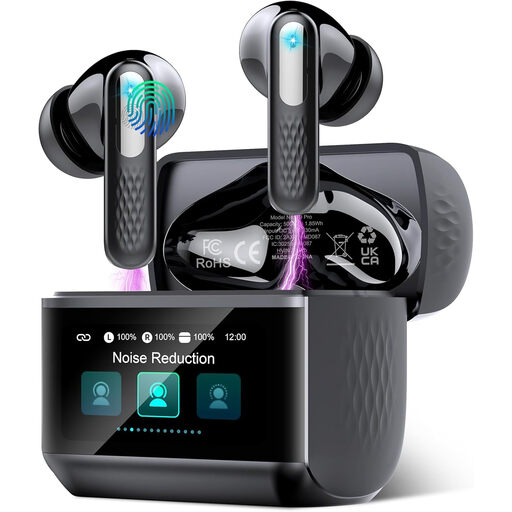
Wireless in-ear headphones with ANC, Bluetooth 5.4
A wireless option if you want freedom of movement and have checked Bluetooth use with your airline.
The product listing specifies ANC, Bluetooth 5.4 and up to 40 hours of total playback with the charging case.
View at Joybuy
 No image available
Moto Buds 2 Violet Ice
A true wireless option if you want to listen without cables and check on-board use with your airline in advance.
The product description lists Bluetooth 6.0, ANC, a transparency mode, two drivers, three pairs of eartips and up to 48 hours of total playback with the charging case.
View at Joybuy
Frequently asked questions
Can I use Bluetooth in-ears for the whole flight?
Not necessarily: each airline decides whether personal electronic devices may be used and what conditions apply. Follow the crew’s instructions.
How can I prepare a groove to analyse it at a slower speed?
Prepare an available recording on your audio source before the flight. According to the Audacity manual, you can change the tempo of a selection without intending to change its pitch; larger changes may cause audible artefacts. An in-ear monitor won’t make this adjustment itself.
How do I find eartips that fit?
Start with the sizes and materials designed for the exact model, then check the fit and sound at a comfortable volume. Shure and Sennheiser list foam and silicone or Soft Flex options for certain models; this doesn’t guarantee they’ll fit you.
What rights do I have if I buy faulty goods from a trader?
For purchases of goods in the EU, there is a legal guarantee of at least two years from receipt; if there’s a fault, you should generally contact the seller. This guarantee is separate from any additional manufacturer’s warranty offered.
Do I need to check the rules for taking rechargeable Bluetooth headphones on board?
Yes. Check your airline’s rules for devices with lithium batteries. Lufthansa sets out conditions for personal electronic devices; these don’t automatically apply to other airlines.


