Listeners of quieter analysis
You want to follow tactical explanations and interviews at a moderate volume, and prefer to judge sound using familiar speech.


Start with an in-ear monitor that fits comfortably, then check how clearly you can hear speech in a familiar analysis at a moderate volume. If noise in the room distracts you, passive isolation matters; for longer sessions, consider pressure in your ears and whether the connection is compatible with your device. Manufacturers’ claims about sound and isolation can’t guarantee how you’ll find them or how quiet things will be for the other person.
You want to follow tactical explanations and interviews at a moderate volume, and prefer to judge sound using familiar speech.
You share a bedroom and want a good fit to help reduce distracting background noise, rather than continually turning up the volume.
You look for comfortable eartips, consider any pressure in your ears and check that the connection is compatible with your playback device.
First, check whether the fit is comfortable and voices remain clear at a moderate volume. Then make sure the isolation and connection suit the way you actually listen.
| Buying priority | What to look for | Who it matters most to |
|---|---|---|
| Speech clarity | Listen to the same familiar section of speech with comfortably fitted eartips at a moderate volume. A manufacturer’s sound description is no substitute for trying them yourself. | If I want to follow an analysis quietly, I need to understand familiar voices clearly. Around 31% of consumers prioritise speech clarity above all else. |
| Isolation in a shared room | Try different eartips with the kinds of background noise you’d typically hear in the room. Manufacturers’ figures apply to the specific model and don’t guarantee the same result for your fit. | If conversations or other noises drown out my analysis, I don’t want to simply turn up the volume to overcome them. Around 31% of consumers say isolation is their top priority. |
| Fit during longer sessions | Check the available eartip sizes and look out for pressure points during a typical listening session. Don’t force a fit that causes pain. | If I listen to longer analyses, I want my in-ears to stay comfortable over time. Around 23% of consumers prioritise wearing comfort. |
| Connections and replacement parts | Check that the connection matches your playback device. For replacement cables, you’ll also need to make sure the exact plug and socket types are compatible. | If I want to use a wired model or replace a cable, I need a suitable connection and compatible replacement parts. Around 15% of consumers prioritise connections and replacement parts. |
Figures from Shure and Etymotic refer to different models. The fit and eartips affect your personal results; an isolation figure also doesn’t measure how much sound the other person in the room can hear.
Check the seal and comfort separately, and consider whether you need to be able to respond when someone speaks to you in the room.
FiiO notes that the JD1’s cable won’t fit every socket with a 0.78-mm connection. An incompatible replacement cable could mean you need to buy another one.
Compare the exact plug and socket types, as well as the connection option for the model you want.
For certain sealed goods, a legal exception to the right of withdrawal may apply once the seal has been removed, if the goods are unsuitable for return for health protection or hygiene reasons. Return costs may also apply, depending on the retailer.
Before opening the packaging, check the specific terms and whether the legal hygiene exception actually applies to the goods.
The wired SE215 has replaceable cables and comes with different eartips. It may be worth considering if passive isolation is important to you.
The IE 200 comes with several eartip sizes, adjustable ear hooks and a detachable cable with a 3.5-mm plug.
The ER2SE is aimed at buyers who want to consider a sound profile the manufacturer describes as flat, alongside passive isolation.
The JD1 is a wired in-ear monitor with a detachable 0.78-mm two-pin cable. The connection option is important when buying.
The GATE is a wired in-ear monitor with a replaceable 0.78-mm two-pin cable.
Here you’ll find wired and wireless in-ear models for football analysis. Whichever type you choose, check that the connection and fit suit the way you listen; a noise-cancelling claim doesn’t tell you how quiet things will be for the other person in the room.
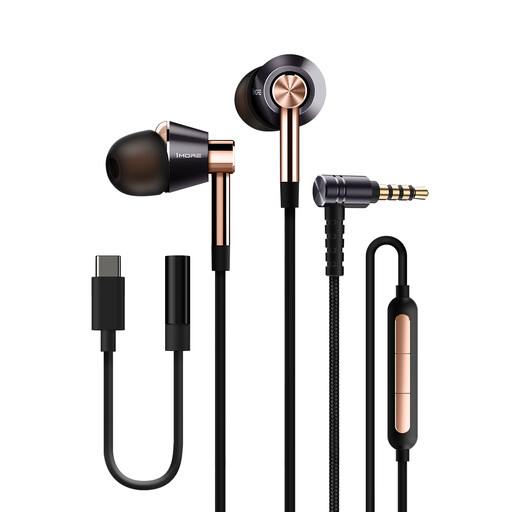 No image available
Could suit you if you want to listen on a wired connection and try different types of eartips.
Wired in-ear headphones with three drivers, including two balanced armature drivers.
The description lists silicone and foam eartips, as well as an in-line microphone.
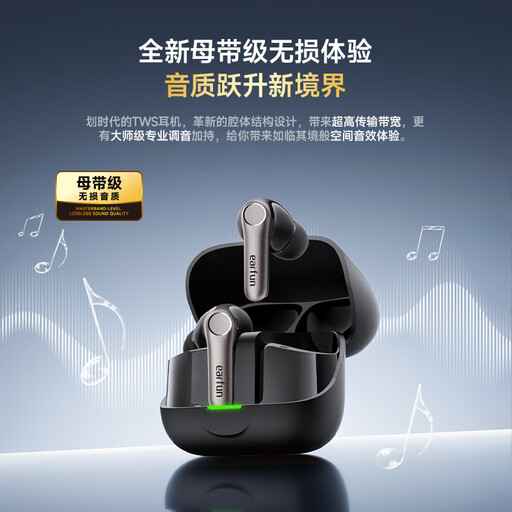 No image available
Could suit you if you want to listen wirelessly and try several eartip sizes; the ANC claim doesn’t guarantee quiet for another person in the room.
Bluetooth 6.0 and active noise cancellation.
The description lists five pairs of eartips in sizes XS to XL.
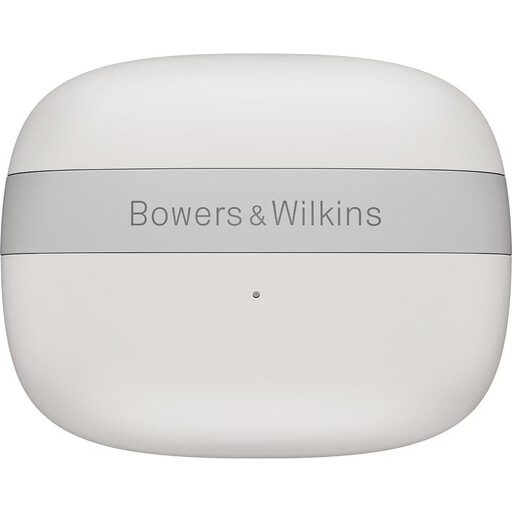 No image available
Could suit you if you prefer wireless in-ears and several ear tips; try the fit for yourself during longer listening sessions.
True wireless model with active noise cancellation and Bluetooth 5.4.
Product details list four interchangeable ear tips and a multipoint connection.
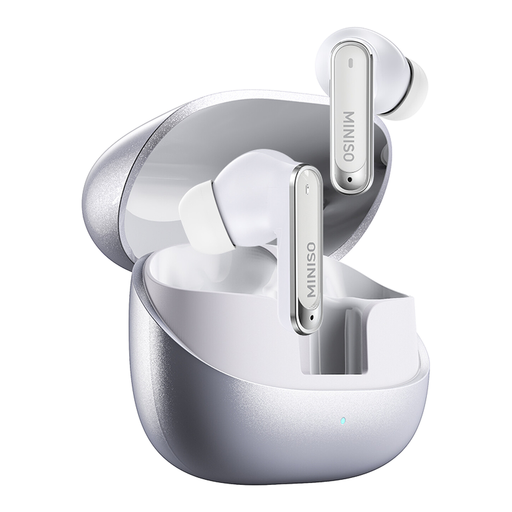 No image available
Could suit you if you want to listen wirelessly and have eartips in different sizes; the stated noise cancellation doesn’t guarantee a particular level of isolation in the bedroom.
Wireless in-ear headphones with Bluetooth 6.0 and adaptive noise cancellation.
The product description lists a built-in microphone and several eartip sizes.
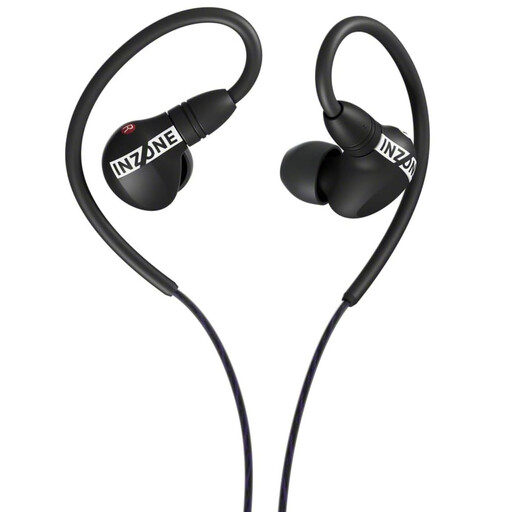 No image available
Could suit you if your playback device has a compatible 3.5-mm connection and you want to listen using a cable.
Product details list a 3.5-mm connection, a built-in microphone and an in-line remote.
Several ear tip sizes are listed; check the fit for yourself.
Compare a familiar football analysis at a moderate volume, using comfortably fitted eartips. Sennheiser’s and Etymotic’s sound descriptions are manufacturers’ claims, not a personal test of speech clarity.
Try each of the included sizes individually and look for a comfortable, secure fit. Shure notes that even your left and right ear canals can differ; follow the instructions for your particular model when cleaning and caring for it.
For an online purchase from a trader, you generally have 14 days from delivery to withdraw from the contract. Under § 312g BGB, an exception may apply to sealed goods that are unsuitable for return for health protection or hygiene reasons if their seal has been removed; whether this applies in a particular case depends on the legal requirements. Your Europe explains the withdrawal period for goods purchases.
No, not necessarily. If you need to respond to another person, or an earpiece presses against your ear in your sleeping position, check the fit and your situation for yourself. The World Health Organization recommends considering volume and listening time together.
Not in every case. According to the European Union, CE marking is only required if a relevant harmonised EU law requires it for that product. Wireless versions are also subject to the rules for radio equipment.