Learners who practise with lots of repetition
You listen to the same German sentences several times and want to judge the sound and fit using your own recordings, rather than assuming descriptions aimed at music apply to speech clarity.


Choose according to where and for how long you study. In a quiet setting, prioritise speech that sounds clear and comfortable to you, along with a comfortable fit. If there’s background noise, a good passive seal becomes more important. Check the available tip sizes and your device’s connection. A manufacturer’s noise-isolation figures don’t guarantee a personal fit or make every recording easier to understand.
You listen to the same German sentences several times and want to judge the sound and fit using your own recordings, rather than assuming descriptions aimed at music apply to speech clarity.
You practise despite conversations or other background noise, so well-fitting ear tips and passive isolation that suits you are particularly important.
You wear your earphones for extended practice sessions and want to try different tip sizes and check the fit before choosing.
Start with your study environment and how long you’ll wear them, then consider fit and connection. Downloaded recordings don’t determine whether you should use wired or wireless in-ear headphones.
| What matters to you | What to look for when buying | Who this matters most to |
|---|---|---|
| Speech quality when practising repetition | Compare the same downloaded passage at a similar, low volume, using well-fitting ear tips. | When I repeat the same sentences, I want voices to sound clear and comfortable. Around 36% of consumers are likely to put speech quality first. |
| Isolation from background noise | Try different tip sizes that fit well. Don’t treat the manufacturer’s noise reduction figures as a guaranteed result for your ears. | When I practise in a busy room, I want to reduce distracting background noise without relying on a particular measurement. Around 29% of consumers are likely to prioritise isolation. |
| Fit during long sessions | Check the available tip sizes and wear your chosen combination for a practice session of a typical length for you. | During longer listening sessions, I want a comfortable fit that doesn’t need constant adjustment. Around 21% of consumers are likely to prioritise long-term comfort. |
| Connections and replacement parts | Check your device’s audio output and the exact model compatibility of any replacement cable. | When I use saved files on my existing device, I want to know whether its connection is compatible with the earphones and whether a replacement cable is explicitly suitable for the model. Around 14% of consumers are likely to prioritise connections and replaceable parts. |
Manufacturer figures don’t automatically reflect how well the earphones fit you or which tips you use. Even a tight seal can feel uncomfortable or reduce the background sounds you want to hear.
Check the fit and how much of your surroundings you can hear while doing your listening exercises, before relying on an isolation figure.
The connections on the earphones vary by model: Audio-Technica ATH-E40 uses A2DC accessories, while Shure specifies MMCX for the SE215.
Check the full model name, both ends of the cable and the stated accessory compatibility.
Volume and listening time both affect the strain on your hearing. The World Health Organization recommends paying attention to both.
First check that the ear tips fit well, start at a low volume and take listening breaks.
The SE215 is a wired option for study spaces with background noise. A separate bundle pairs the earphones with a cable and wireless adapters.
The IE 200 is a wired option with a choice of ear tips and adjustable ear hooks.
The ATH-E40 is a wired monitor supplied with four sizes of silicone ear tips.
The ER2SE may suit learners who want to check its fit and are looking for a sound profile the manufacturer describes as flat.
This selection includes wired in-ear headphones and wireless models. Depending on your playback device, pay particular attention to the audio connection or supported wireless connection.
 No image available
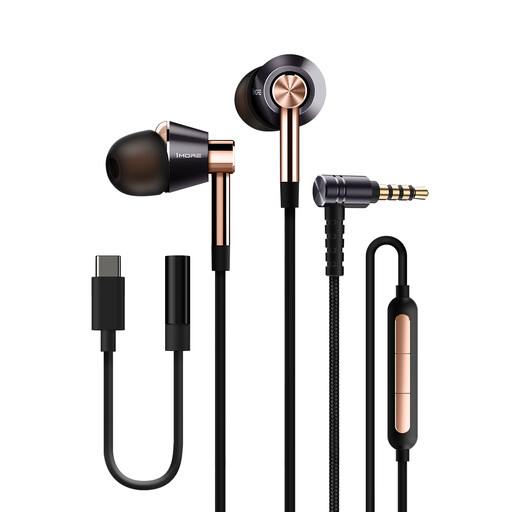
For wired listening and repetition, if you’d like to try different ear tips.
Three-driver system with two balanced armature drivers and one dynamic driver, according to the product description.
Nine ear tip sizes, according to the product description.
 No image available
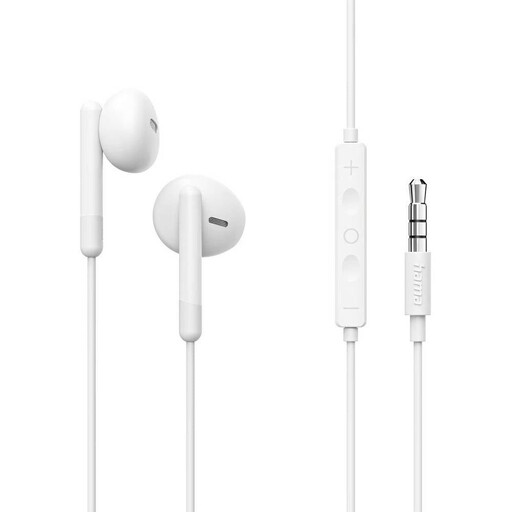
A wired option for saved recordings if your playback device has a compatible 3.5 mm audio connection.
1.2 m cable with an integrated remote and microphone, according to the product description.
The 3.5 mm connection requires a compatible device or suitable adapter.
 No image available
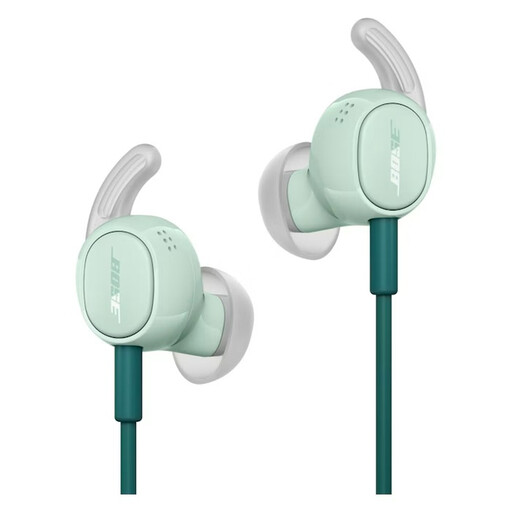
For wired listening with a compatible USB-C device and a choice of listening modes.
USB-C audio connection, plus Quiet, Aware and ANC-off modes, according to the product description.
Three ear tip sizes and two sizes of stability wing; the fit will vary from person to person.
 No image available
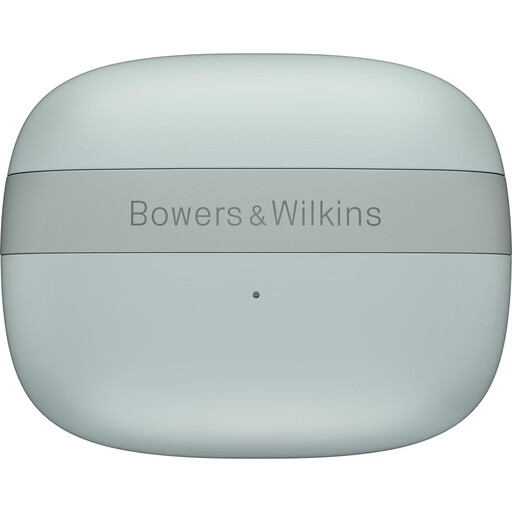
For wireless listening practice if you’d like to try different ear tip sizes.
Bluetooth 5.4, active noise cancellation and multipoint, according to the product title.
Four ear tip sizes and up to eight hours of playback per charge, according to the product description. The actual fit will vary from person to person.
 No image available
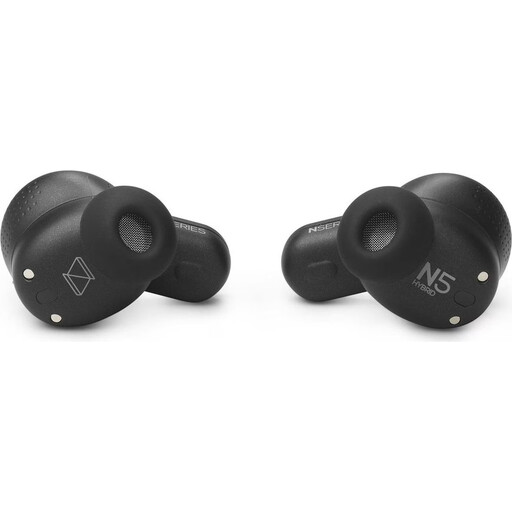
For wireless listening practice if you can use Bluetooth or a suitable USB-C connection for the dongle.
Bluetooth and a 2.4 GHz USB-C dongle, plus active noise cancellation, according to the product title.
Using the dongle requires a compatible USB-C connection.
No. A saved recording doesn’t determine how you connect. Wired headphones with a 3.5 mm plug require a compatible audio output; wireless use requires a suitable wireless connection and a charged battery.
Choose a tip that seals well without feeling uncomfortable, and try it for a typical practice session. Having different tip sizes can make it easier to find a good fit, but doesn’t guarantee a fit that’s right for you.
Start at a low volume and take listening breaks. The World Health Organization points out that volume, listening time and how often you’re exposed to loud sounds all matter.
For new goods bought from a trader, European Union consumer information states that you have a legal guarantee of at least two years against the seller. This is separate from any additional manufacturer’s warranty, so check the relevant terms and conditions.
When you buy online from a trader, you generally have a 14-day right to cancel, as explained by the consumer advice centre; exceptions may apply. Before opening or using the product, check the cancellation information for the specific offer rather than assuming it can be returned in any condition.