Who are in-ear monitors suitable for?

Musicians learning solos by ear

If you listen to short sections on repeat, look for a comfortable fit and keep the volume moderate so you can pick out details without turning it up unnecessarily. The WHO recommends limiting both volume and listening time.

Playing along on electric guitar

If you want to hear a recording and an amplified guitar signal at the same time, the signal routing on your practice equipment matters just as much as your earphones. Check that your devices can send both signals to a suitable headphone output.

Practising amid campsite noise

If background noise distracts you, fit and seal are important things to check. But weigh them against comfort and how much you need to hear what’s happening around you.

What should you look for when buying?

What matters What to look for Who is this most important to?
Detail in the recording Listen to a familiar solo passage at a moderate volume and compare the exact model types rather than individual specifications. If I want to pick out the solo reliably, what matters most to me is how clearly the recording comes through. Around 36 % of consumers put detail in the recording first.
Isolation and fit Try the supplied ear tips in different sizes and materials; what matters is a comfortable, secure seal in your ears. If campsite noise is distracting or the ear tips feel uncomfortable, I want to check the fit and seal first. Around 29 % of consumers say isolation and fit matter most to them.
Connection and signal path Check the output on your playback device and the plug on the earphones. To hear both the recording and your own guitar, both signals need to reach a suitable headphone output. If I want to play electric guitar along with a recording, I need a suitable route for both signals and may need to budget for extra equipment. Around 21 % of consumers prioritise the connection and hearing both signals together.
Replacement and care Check replacement cables against the connection on the earphones, and follow the care instructions for the specific model. If I’m carrying the earphones around and cleaning them regularly, compatible replacement parts and easy care matter to me. Around 14 % of consumers place the greatest importance on durability and care.

In-ear monitor buying pitfalls

  • Comparing manufacturers’ isolation figures directly

    Manufacturers’ figures aren’t necessarily based on the same testing conditions. They don’t reliably tell you which earphones will block out more campsite noise in your ears.

    Try an ear tip that fits snugly and comfortably, and keep the volume moderate. Don’t turn it up to compensate for a poor fit.

  • Assuming in-ear earphones are a complete practice setup

    A pair of earphones on its own doesn’t provide a signal path that combines a recording with your own electric guitar.

    Before you buy, check how your existing equipment will route both the guitar and the recording to the headphone output.

  • Assuming replaceable means universally compatible

    The models mentioned use different connections at the earphone end, including MMCX and A2DC. Having the same 3.5-mm plug at the playback device end doesn’t mean a replacement cable will fit.

    Check the full model name and the connection on the earphone itself before choosing a replacement cable.

A guide to the key brands

Shure

The wired SE215 is worth considering if you’re looking for a choice of ear tips and a replaceable cable.

  • Shure lists an MMCX cable with a 3.5-mm plug and isolation of up to 37 dB for the SE215. This is a manufacturer’s figure; you’ll need to judge the fit and comfort for yourself.
  • The SE215 doesn’t mix guitar and playback signals by itself.

Sennheiser

Sennheiser positions the IE 100 PRO for monitoring on stage, in the studio and on the go. The wireless version is a separate variant.

  • For the IE 100 PRO, Sennheiser lists interchangeable ear tips and noise attenuation of less than 26 dB.
  • This manufacturer’s figure can’t be compared with other models’ isolation figures unless the testing conditions are the same. Also check whether the wired or wireless version is being sold.

Audio-Technica

The wired ATH-E40 is a monitoring option supplied with silicone ear tips in several sizes.

  • Audio-Technica lists four sizes of silicone ear tips and a detachable 1.6-m cable with a 3.5-mm device plug.
  • The cable uses an A2DC connection at the earphone end. Replacement cables must be compatible with this connection and the exact model.

beyerdynamic

beyerdynamic positions the wired DT 70 IE for mixing and critical listening.

  • The product specifications list a 1.4-m cable with an MMCX connection and a 3.5-mm plug.
  • Being designed for critical listening doesn’t prove an independent advantage when picking out a guitar solo. Weigh the cost and fit against simpler models.

Mackie

The MP-120 adds an in-ear monitor with a choice of ear tip styles and a replaceable cable.

  • Mackie lists foam, silicone and double-flange ear tips, as well as a 3.5-to-6.3-mm adaptor in the box.
  • The advertised isolation of up to 40 dB isn’t an independently verified comparison figure for use at a campsite.

Joybuy products for playback

The products below range from wired in-ear headphones to wireless earbuds for listening to recordings. To hear a recording and your own electric guitar at the same time, you’ll also need a suitable signal path that routes both signals to a headphone output.
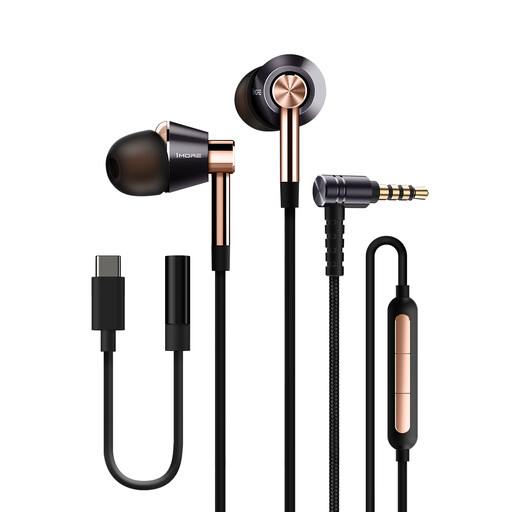
1MORE E1001 Triple Driver in-ear headphones, gold

1MORE E1001 Triple Driver, Gold

These wired in-ear headphones are an option for listening to a solo recording.

The product name specifies three drivers and a wired connection. The earphones don’t combine the recording and guitar signal by themselves.

View at Joybuy
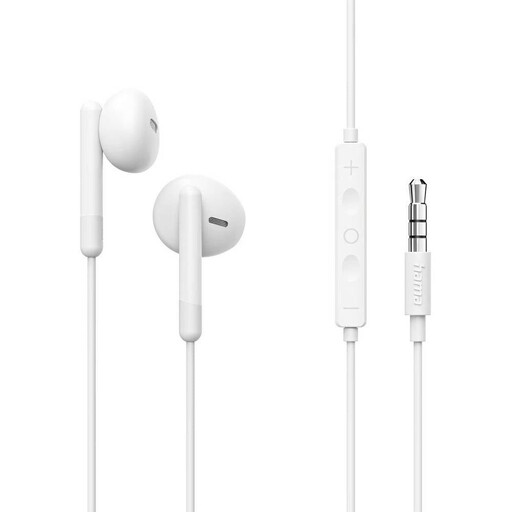
Noble wired in-ear headphones with 3.5-mm connection

Noble wired in-ear headphones, 3.5-mm connection

These wired in-ear headphones are an option for listening to a recording, provided the connection is compatible with your device.

The product name specifies a 3.5-mm jack connection. The earphones don’t combine the recording and guitar signal by themselves.

View at Joybuy
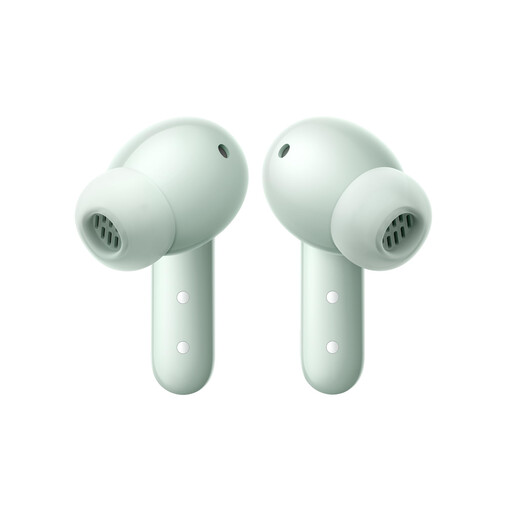
CMF Buds 2 wireless earbuds

CMF Buds 2

These wireless earbuds are an option for listening to a recording wirelessly.

The product name specifies Bluetooth 5.4, 11-mm drivers, IP55 and battery life of up to 7.5 hours. They don’t combine the recording and guitar signal by themselves.

View at Joybuy
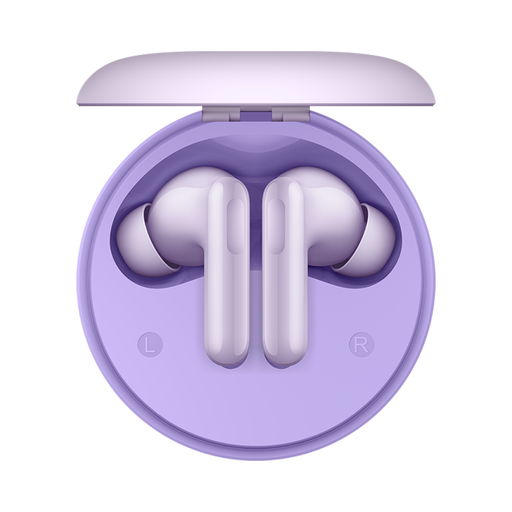
HONOR Earbuds A Pro

HONOR Earbuds A Pro

These wireless earbuds are an option for listening to a recording if you don’t need a wired connection.

The product name specifies a 12.4-mm driver, active noise cancellation and battery life of up to 42 hours. The earbuds don’t combine the recording and guitar signal by themselves.

View at Joybuy
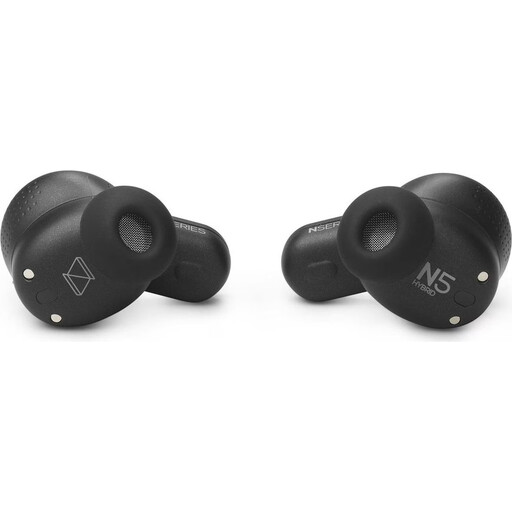
AKG N5 Hybrid True Wireless Earbuds

AKG N5 Hybrid True Wireless Earbuds

These wireless earbuds are an option for listening to a recording if you prefer a wireless connection.

The product name specifies Bluetooth 5.3, a 2.4-GHz USB-C receiver and IP54. The earbuds don’t combine the recording and guitar signal by themselves.

View at Joybuy

Frequently asked questions

Can I hear a recording and my electric guitar at the same time using in-ear headphones alone?

No, both signals need to reach a suitable headphone output. For example, Fender describes the Mustang Micro Plus as having a guitar input, Bluetooth audio streaming and a 3.5-mm output for wired earphones; check the connections and features of your specific devices.

How should I care for my earphones after practising outdoors?

Follow the care instructions for your specific model and keep the casing away from liquids. Sennheiser recommends using a soft, dry cloth for its IE PRO series and warns against getting liquid inside the casing.

What should I know about returns and replacement cables?

For online orders in Germany, the Verbraucherzentrale says you generally have 14 days from delivery to cancel; check the cancellation information for your order. When choosing a replacement cable, you’ll also need to match the connection on the earphone: Shure lists MMCX for the SE215, while Audio-Technica lists A2DC for the ATH-E40.

Can I use any wireless in-ear monitoring system at a campsite?

No, the name alone doesn’t mean a system is automatically approved for use. The Bundesnetzagentur restricts use in the 736–753 MHz range to professional wireless production. Conditions for other wireless systems depend, among other things, on the frequency range and the regulations in force. Without knowing the specific device and frequency band, it isn’t possible to give a definitive answer.