Practising with playback in a noisy home
If you want to hear the backing vocals without turning up your headphones to drown out household noise, a good fit and passive isolation are important things to look for.


If you only want to hear the backing vocals in the playback, start with a well-fitting wired in-ear monitor and a compatible headphone output. If you also want to hear your own mic’d-up voice in your ears, you’ll need a suitable signal path to mix it with the playback and let you monitor it without distracting delay. The right ear tips and a sensible volume are important; manufacturers’ isolation figures don’t guarantee how much noise will be blocked out in your home.
If you want to hear the backing vocals without turning up your headphones to drown out household noise, a good fit and passive isolation are important things to look for.
To hear your own mic’d-up voice alongside the playback, you’ll need a suitable monitor path as well as in-ears. This routes both signals to the headphone output.
For repeated practice sessions, a comfortable, reliable fit, suitable replacement parts and controllable volume all matter.
First, decide whether you need to hear only the playback or your own mic’d-up voice as well. Then check the fit and connections, and make sure they’re suitable for the length of time you plan to practise.
| What matters | What to check before buying | Who is this important to? |
|---|---|---|
| Fit and isolation | Several ear tip sizes and, where available, different materials; test the fit at a low volume. | If I want to hear the playback clearly in a noisy home, a well-fitting ear tip is my priority; around 36% of consumers focus on isolation. |
| Hearing your own voice in the mix | Check the microphone input, playback feed, headphone output and monitor function of the entire signal path. | If you want to hear your own mic’d-up voice alongside the playback while singing, you’ll need a suitable monitor path; around 29% of consumers put this first. |
| Comfort and volume | Consider ear tip sizes and materials, how the fit feels for your planned practice session and whether the volume control is easy to reach. | If I’m practising for longer or more often, I want a comfortable fit and to keep the volume in check; around 21% of consumers prioritise these things. |
| Connections and accessories | Check the device output, plug, connection on the earphone side and any required adapters separately. | If I want to keep using my existing devices, I check the connections and any accessories I’ll need first; around 14% of consumers put this first. |
According to the World Health Organization, the effects on your hearing depend on volume, listening time and how often you’re exposed to sound. An isolation figure on the packaging doesn’t prove a particular sound pressure level in your ears; don’t turn up the playback to compensate for a poor fit.
Manufacturers may use different wording and test conditions. What you actually hear also depends on how the ear tips fit your ears.
Try different ear tip sizes at a low volume rather than turning up the sound to compensate for a poor fit.
Earphones reproduce the signal they’re given, but don’t automatically mix microphone audio with playback.
Before you buy, check the signal path from the microphone through the interface or mixer to the headphone output.
A Bluetooth connection alone doesn’t prove that the delay is suitable for monitoring your own voice.
Start by checking a wired monitor path. If you need a wireless system, check the delay of the entire setup and the conditions that apply to the specific frequency variant.
The wired SE215 could be worth considering if you want a choice of foam and silicone ear tips, plus a replaceable cable.
The wired IE 100 PRO comes with silicone and foam ear tips, making it an option for singers who want to try a universal-fit monitor.
The wired ATH-E40 is an option if you want to compare different silicone ear tip sizes and a detachable cable.
The MP-120 may be worth considering if you’d like to try several ear tip styles, including double-flange tips.
The LivePro range is an alternative if universal-fit ear tips don’t stay securely in place and you’re considering a custom-fit version.
The following Joybuy products are in-ear headphones for playback. Before buying, check that the connection and design suit your device and practice routine; you’ll need a suitable monitor path to hear your own mic’d-up voice.
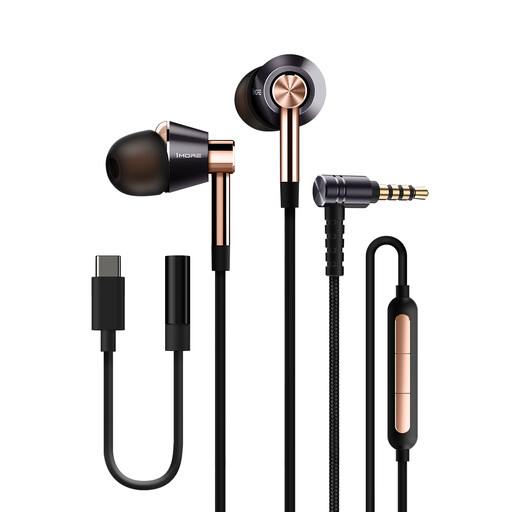 No image available
The wired version may be suitable for playback. Check that the fit and headphone output are compatible with your playback device.
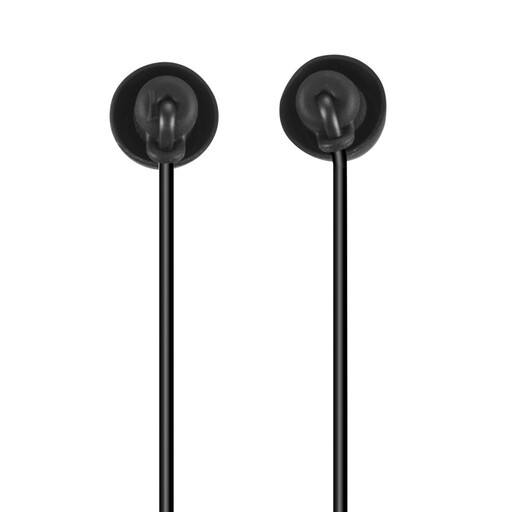 No image available
The wired USB-C version may be suitable if your device has a compatible USB-C audio output; check before buying.
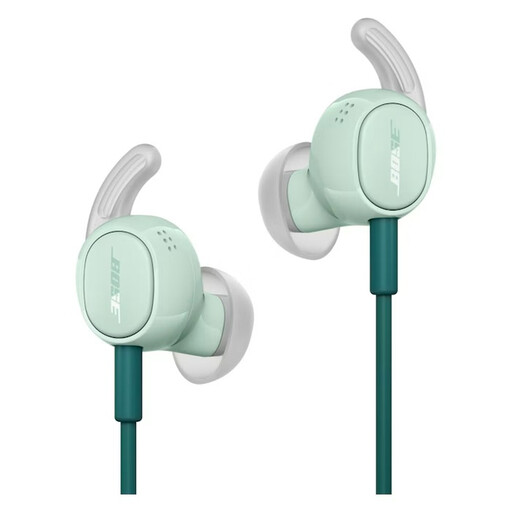 No image available
Check that the USB-C audio connection is compatible with your device. The noise-cancelling name alone doesn’t tell you how well the fit will block out sound in your ears.
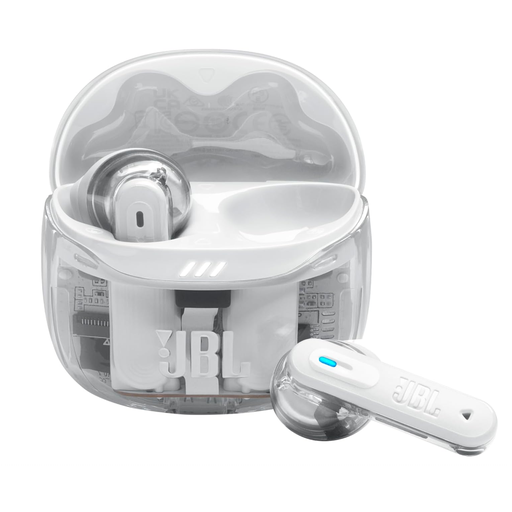 No image available
The wireless version may be suitable for playback. Bluetooth alone doesn’t prove that the delay is suitable if you want to monitor your own singing voice.
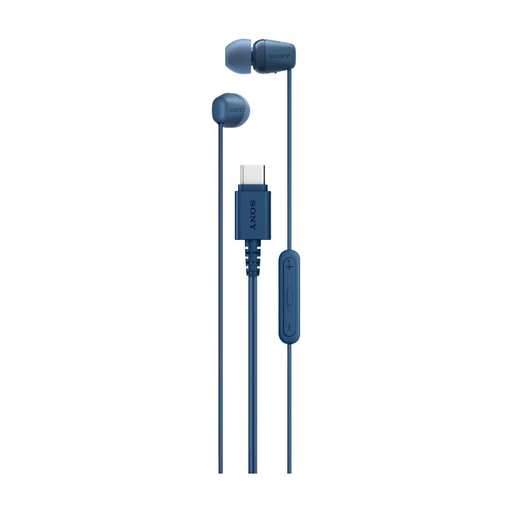 No image available
The wired USB-C version may be suitable for playback, provided your device has a compatible USB-C audio output.
No, not on their own. To hear your mic’d-up voice, you’ll also need a microphone input, a mix with the playback and a headphone output. Focusrite describes Direct Monitoring as a way to listen to the input signal and software playback together with virtually no monitoring delay.
If you monitor both the direct signal and a delayed recording track at the same time, you may hear two versions of your voice. With a suitable interface, muting the recording track you’re monitoring while using Direct Monitoring may help; Focusrite describes this approach to Direct Monitoring.
In its ruling 37/2026, dated 15 April 2026, Germany’s Federal Network Agency classifies transmitters for in-ear receivers used for live sound as radio microphones. Whether a particular wireless system can be used depends on its frequency variant and the technical and operational conditions that apply. Among other things, the ruling revokes the earlier ruling 109/2025; check the current conditions for the specific system.
No. In-ears can replace playback through speakers, but they won’t quieten your singing voice as heard outside your home. According to Germany’s Federal Environment Agency, rules on neighbourhood noise may be set out in state law, local regulations or house rules. The permitted practice times therefore depend on where you live and the rules that apply there.
Check which ear tips are included, and make sure any replacement cable matches the specific earpiece connection: MMCX and A2DC are different connections. For online orders in Germany, the Verbraucherzentrale generally states a 14-day cancellation period from the date you receive your order; statutory exceptions may apply. Check the terms for your specific order, and distinguish cancelling because you’ve changed your mind from claims relating to faulty goods or items that were not as described.