Students dealing with room noise
If you share your room, you may want a snug fit so you don't have to turn up the recording. The WHO recommends well-fitting headphones to reduce the temptation to increase the volume in noisy surroundings.


For listening to recorded lectures in a shared bedroom, wired in-ear monitors with tips that fit snugly and comfortably can be a good choice when background noise is distracting and the connection is compatible with your playback device. In quieter surroundings, comfort and how clearly you can hear the recording may matter more than a high noise-isolation figure quoted by the manufacturer; actual isolation also depends on the fit. Compare a familiar passage of speech at a moderate volume rather than simply turning up the sound to drown out distractions.
If you share your room, you may want a snug fit so you don't have to turn up the recording. The WHO recommends well-fitting headphones to reduce the temptation to increase the volume in noisy surroundings.
When listening to longer recordings, it helps to have a choice of tip sizes and materials, rather than assuming that a particular fit will be comfortable for you. Sennheiser lists silicone and foam tips for the IE 100 PRO; Audio-Technica lists four silicone sizes for the ATH-E40.
If you need to replay tricky passages, check how voices sound with your recording and make sure the connection is compatible with your playback device. Etymotic describes the ER2SE’s tuning as flat, but that’s no substitute for listening to your own recording.
First, check that the tips suit your ears and that the connection you need is compatible with your playback device. Then use a familiar passage of speech to see whether the fit and sound work for your listening situation.
| Consideration | What to check before buying | Who is it important to? |
|---|---|---|
| Isolation from room noise | Check the tip sizes and materials, and make sure they fit snugly. Treat manufacturers’ noise-isolation figures as specifications, not as a measurement of how well they’ll work for you. | If conversations in my shared room drown out the recording, I want a good fit so I don’t have to turn the volume up unnecessarily. Around 33% of consumers put noise isolation first. |
| Comfort during longer listening sessions | Try different tip sizes and materials, and pay attention to any pressure or discomfort. | For long listening sessions, I want to find a tip that feels comfortable in my ears, even if that means accepting less isolation. Around 27% of consumers prioritise long-term comfort. |
| Clarity of recorded voices | Compare the same tricky passage of speech at a moderate volume. Don’t treat descriptions of sound tuning as a listening test. | If quiet or unclear passages are hard to follow, I want to understand the recording clearly without relying on a sound description alone. Around 20% of consumers prioritise speech clarity. |
| Connections and replaceable parts | Check the output on your device, the connection on the earphones and what’s included with the specific model. | If I want to use a particular playback device or a replaceable cable, the connections need to be compatible. Around 20% of consumers focus mainly on connections and maintenance. |
Figures quoted by manufacturers for different models aren’t a direct comparison of the noise in your room. Shure notes that a snug fit affects the results for the SE215.
Choose tips that fit well, then try a familiar passage of speech at a moderate volume.
The Shure SE215 uses an MMCX connection on the earphone, while the Audio-Technica ATH-E40 uses A2DC. So a plug that fits your playback device isn’t enough to ensure a replacement cable will be compatible.
Check both ends of the cable and what’s included with the exact model.
A replacement cable must match the connection on the earphone. You may also need a suitable connection solution for your playback device.
For certain sealed goods, a legal exception to the right to cancel may apply after opening if the conditions set out in § 312g BGB are met. You can’t tell whether it applies to a particular offer from the product type alone.
Before opening the packaging, check whether the product is sealed and what cancellation information the retailer provides.
The wired SE215 is worth considering if passive isolation and replaceable tips are important to you.
The IE 100 PRO and IE 200 are wired options with different manufacturer descriptions of their design and sound tuning.
The ATH-E40 is an option if you want a choice of tip sizes in the box and a replaceable cable.
The ER2SE may appeal if you want to try passive isolation and a sound tuning that the manufacturer describes as flat.
The in-ear headphones below offer a range of wired and wireless connections and features for listening to recorded lectures.
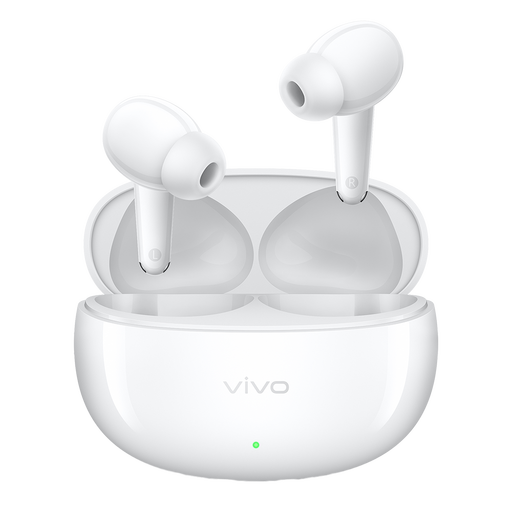 No image available
A wireless option if you’d like to choose from several ear tip sizes for a comfortable fit.
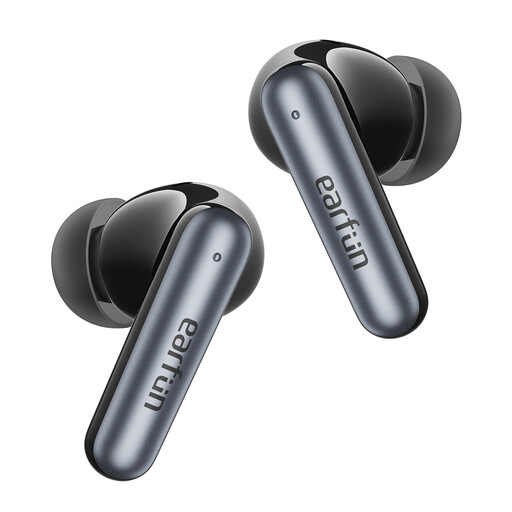 No image available
A true wireless option if you want to listen without cables and ANC is one of your criteria. The specifications don’t guarantee a particular level of isolation at your ears.
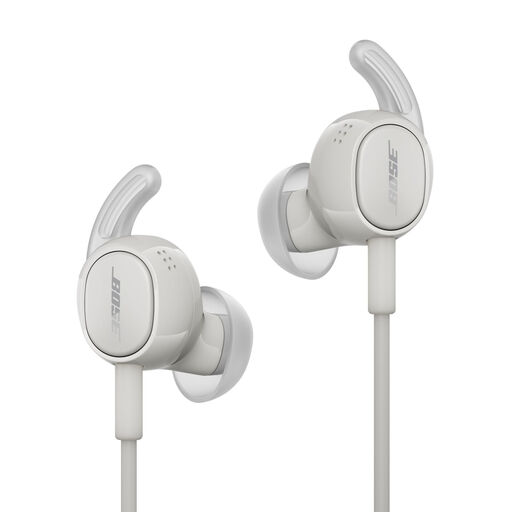 No image available
A wired option if your playback device has a compatible USB-C audio connection.
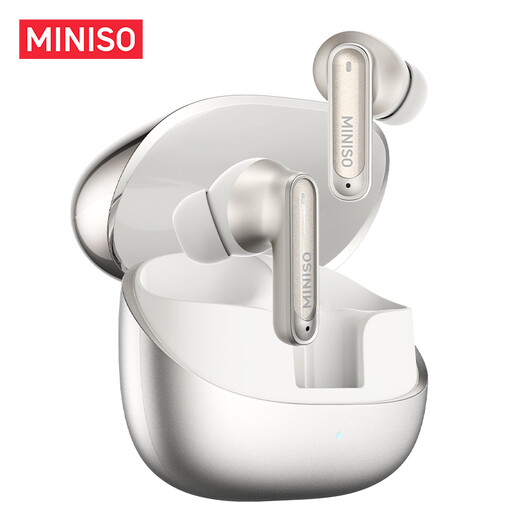 No image available
A wireless option for longer listening sessions if the quoted total play time is one of your selection criteria.
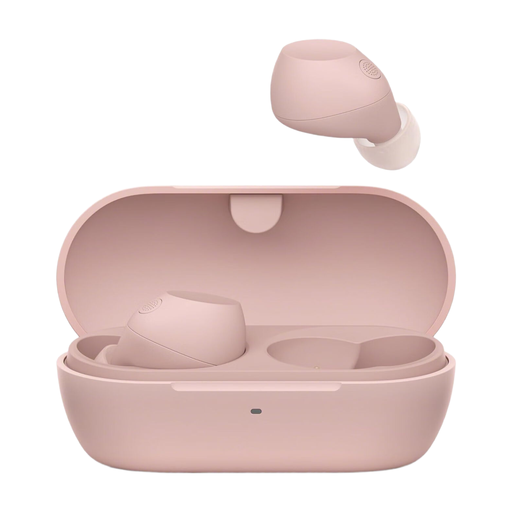 No image available
A true wireless option if you’d like to include ANC and an Ambient Sound mode in your selection criteria.
No, not if you simply want to listen to a recording on a suitable playback device. Depending on the model, the wired options described have either a 3.5 mm or USB-C connection. Check that your device supports the relevant audio connection.
Choose an ear tip that fits snugly, but don’t force it into your ear. For the SE215, Shure recommends checking the fit or trying a different tip if there’s a lack of bass, and warns against pushing it beyond the opening of the ear canal. Follow the instructions for the model you’ve bought when cleaning or replacing the tips.
First check the fit and the recording, and keep the volume moderate. The WHO explains that both volume level and listening time matter when it comes to sound exposure. Its example of 80 dB for up to 40 hours a week is a guide, not a preset volume level for every pair of headphones.
Distance contracts generally come with a right to cancel; the Verbraucherzentrale says this is usually 14 days. Under certain conditions, § 312g BGB provides an exception for goods that are unsuitable for return for health protection or hygiene reasons if their seal has been removed after delivery. You can’t tell whether it applies to a particular offer from the product type alone. Before buying, check whether the product is sealed and read the cancellation information.