Mixers on the move
If you’re checking EQ, level or effects changes in the library, you need a reference you can understand and should check your mix on another playback system later. iZotope explains why mixes can sound different on other systems.


When checking small mix changes, look for a consistent sound profile and a fit you can reproduce each time. For long listening sessions, comfort may matter more than a high advertised noise-isolation rating. Check that the connection is compatible with your audio source, and listen to important decisions on another playback system later. Manufacturers’ claims about tuning or isolation don’t prove how a model will sound in your ears.
If you’re checking EQ, level or effects changes in the library, you need a reference you can understand and should check your mix on another playback system later. iZotope explains why mixes can sound different on other systems.
If you listen quietly for longer periods, well-fitting ear tips can help reduce distractions. A product’s advertised noise-isolation rating won’t tell you how well it will fit your ears.
If you use a laptop, interface or mobile device, check that its output matches the earphones’ plug. With detachable cables, you’ll also need to make sure the earphone connector is compatible with the replacement cable.
| Consideration | What to check before buying | Who is it important to? |
|---|---|---|
| Assessing the sound | Check the tuning description for the specific model; use familiar reference tracks and check important decisions on a second system later. | If I want to assess small EQ or level changes, I need a clear sonic starting point and should check my mix again later. Around 36% of consumers would put sound assessment first. |
| A secure fit and quiet listening | Compare the available ear tip sizes and materials; assess the fit and sound at a low volume. | If I want to listen quietly in the library, I need ear tips that fit comfortably and reduce distractions from background noise. Around 29% of consumers would prioritise a secure, comfortable fit. |
| Comfort and listening volume | Compare ear tip materials and sizes, plan breaks and keep the volume low. | For repeated listening sessions, I want comfortable ear tips rather than simply turning the volume up to hear details. Around 21% of consumers would consider long-term comfort first. |
| Connections and replacement parts | Check the audio source output and plug separately; confirm that the specific replacement cable is compatible. | If I use a laptop or interface, the earphones need to match the connection I have, and any replacement cable must be compatible with the model. Around 14% of consumers would put device connectivity first. |
Manufacturer ratings don’t describe how a product will fit you personally or measure how much sound leaks out when you’re wearing it.
Check the available ear tip sizes and fit them properly. Don’t expect to achieve a particular level of isolation personally.
Etymotic describes the ER2SE’s tuning as flat. iZotope points out that a mix can sound different on other playback systems.
Use familiar reference tracks and check important changes on a second system later.
Connectors vary by model: Shure specifies MMCX for the SE215, Audio-Technica uses A2DC for the ATH-E40, and Fischer Amps uses a 0.78 mm 2-pin connector for the FA 3E XB.
Check the connector on the earphones and the plug for your audio source against the specifications for the exact model variant.
The ER2SE is a wired option for listeners who want to compare a tuning that the manufacturer describes as flat.
The SE215 is a wired monitoring option with a detachable cable and several ear tip options.
The ATH-E40 may interest listeners who want to compare different ear tip sizes and a detachable cable.
The IE 4 is a wired pair of earphones that Sennheiser positions for personal and wireless stage monitoring.
The FA 3E XB comes with different ear tip materials to try and is described as a stage monitor.
The wired and wireless in-ears below are options for listening on the go. They aren’t presented as neutral mix references, so check important mix decisions on another playback system too.
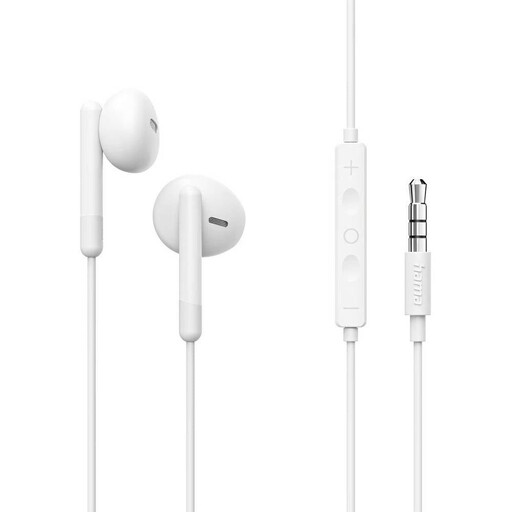 No image available
An option if your audio source has a 3.5 mm headphone socket.
Wired, with a 1.2 m cable, in-line remote and microphone, according to the product description.
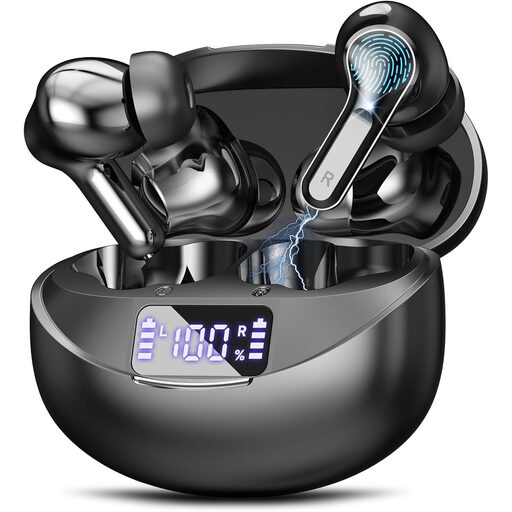 No image available
A wireless option if Bluetooth is compatible with your audio source.
The product description lists Bluetooth 5.3, S, M and L ear tips, and up to 8 hours of playback per charge.
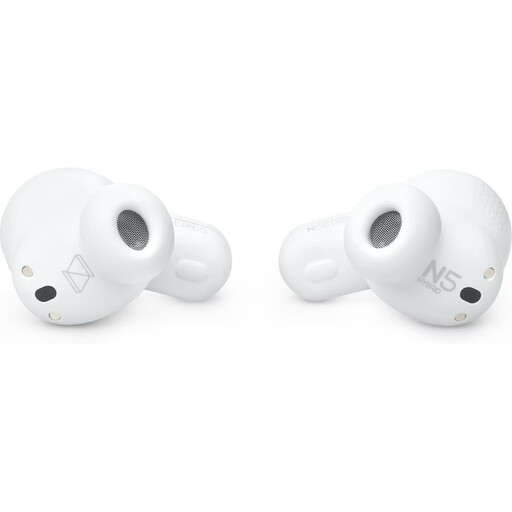 No image available
A wireless option if your audio source supports Bluetooth or a compatible 2.4 GHz USB-C receiver.
The product description lists Bluetooth and a 2.4 GHz USB-C receiver.
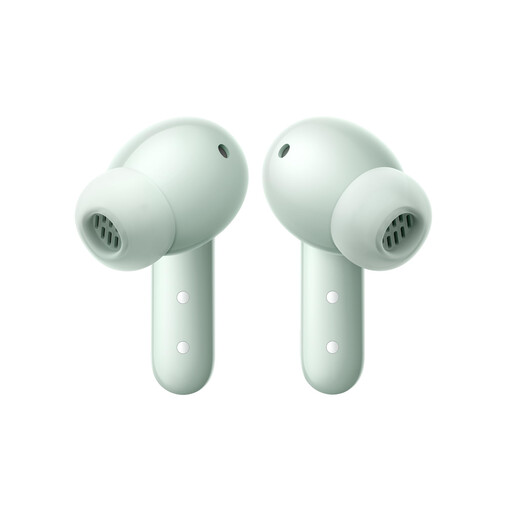 No image available
A wireless option if you’d like active noise cancellation when listening on the go.
The product description lists Bluetooth 5.4, 11 mm drivers and up to 7.5 hours of playback per charge.
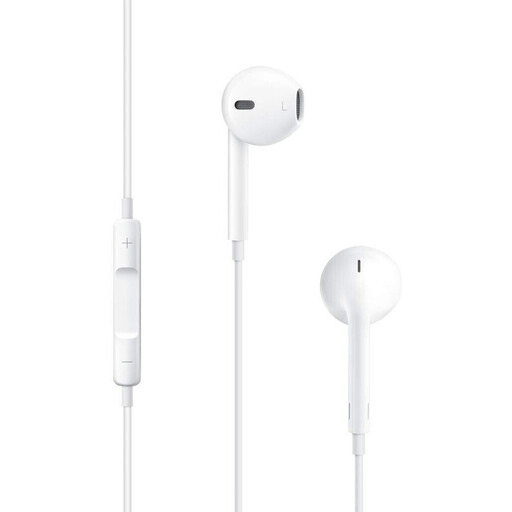 No image available
A wired option if your audio source has a 3.5 mm headphone socket.
The product description lists an integrated remote for volume, playback and calls.
You can use in-ears to check changes and compare them with familiar tracks. For important decisions, check your mix on another playback system later, as headphones and speakers can reproduce sound differently.
Try the sizes and materials designed for your specific model until both sides feel comfortable and create a good seal. Follow the model’s instructions for cleaning and replacement; having a choice of ear tips doesn’t guarantee a good fit.
No. The World Health Organization recommends considering volume and listening time together, and taking listening breaks. Its guideline of 80 dB for up to 40 hours per week is general advice for safe listening, not a level you can read from your own in-ears.
Check whether suitable replacement ear tips or a model-specific replacement cable are available for your chosen earphones, and how much they cost from the retailer in question. Replacement cables must have connectors that fit the specific model.
No. According to Germany’s Federal Network Agency, the manufacturer uses the CE mark to declare that the product complies with the applicable EU regulations. It doesn’t mean the product has undergone an official sound test or is suitable for mixing in any particular way.