Listeners picking out chords in an open-plan office
If you repeatedly listen to short sections of a song and find conversations distracting, start by looking for a comfortable fit and passive noise isolation.


If conversations distract you and you don’t need to be available while listening, a well-fitting in-ear monitor with a relatively restrained sound profile is a good place to start. Manufacturers’ figures for passive noise isolation don’t guarantee a particular level of isolation in your ears. If you need to respond to colleagues or warning signals, staying available should take priority. You could listen in short sessions and keep playback easy to pause.
If you repeatedly listen to short sections of a song and find conversations distracting, start by looking for a comfortable fit and passive noise isolation.
If you want to assess bass notes and other instruments through repeated listening, you can compare sound profiles. Just don’t treat manufacturers’ descriptions as a guarantee that chords will be easier to pick out.
If you need to hear conversations or important signals while listening privately, factor in how easy it is to stay available and keep the volume comfortable.
A good fit if: focused, repeated listening is your priority and you don’t need to hear people calling you or respond to signals while you listen. Etymotic describes the ER2SE as having a flat response and quotes 35–42 dB of passive noise isolation.
The trade-off: A strong seal can make it harder to hear people addressing you. The actual fit is what matters, and the manufacturer’s figure isn’t a measurement of how well it fits your ears.
A good fit if: you want to find a comfortable fit first. Shure lists foam and silicone tips in several sizes for the SE215; Mackie lists three types of tips in several sizes for the MP-120.
The trade-off: The manufacturers also describe these models as having an emphasis on bass. That doesn’t mean you’ll be able to pick out chords more reliably.
A good fit if: you regularly want to assess other mix details as well as pick out chords. beyerdynamic positions the DT 70 IE for mixing and critical listening.
The trade-off: This positioning by the manufacturer doesn’t prove it offers an advantage for recognising chords. Check the fit and connection before considering the extra outlay.
A good fit if: you need to respond immediately to colleagues or warning signals while working. If necessary, plan short listening sessions and keep playback easy to pause.
The trade-off: Less isolation lets more background noise through. The Federal Institute for Occupational Safety and Health warns that this can disrupt communication and cause warning signals to be missed. Don’t try to drown out background noise by continually turning up the volume.
| Buying priority | What to check before buying | Who it matters most to |
|---|---|---|
| Blocking out office noise | Check the tips and fit on both sides; don’t treat isolation figures as a measurement of your own fit. | If I want to listen to the same passage repeatedly in an open-plan office without being constantly distracted by conversations, a secure, comfortable fit comes first. Around 28% of consumers prioritise noise isolation. |
| Assessing the sound profile | If possible, compare a familiar recording at the same volume and check that the manufacturer’s claims relate to the exact model. | When picking out bass notes and other instruments, I want to find a sound profile that suits what I’m listening for. Around 28% of consumers prioritise sound quality. |
| Staying available at work | Follow workplace policies and the demands of your tasks, keep playback easy to pause, and limit your listening volume and duration. | If I need to respond to colleagues or important signals while listening, staying available matters more to me than maximum isolation. Around 17% of consumers put this first. |
| Comfortable fit | Compare the sizes and materials supplied, how much pressure they create, and how well they stay in place during normal head movements. | For longer listening sessions, I want to find a comfortable tip that doesn’t need constant adjustment. Around 16% of consumers prioritise fit and comfort. |
| Connection and replacement needs | Check the plug and device output, what’s included, and whether compatible replacement cables or ear tips are available. | If I want to use my existing playback device and factor in any replacement parts I might need, I check the connection before buying. Around 11% of consumers prioritise connectivity and upkeep. |
A tip that leaks or feels uncomfortable can limit practical noise isolation. Strong isolation can also make it harder to communicate at work.
Try the available tips and think about whether you need to stay available while listening before choosing.
Model descriptions tell you about the sound profile and intended use, but they don’t give a measured success rate for chord-recognition tasks.
Compare models using a familiar recording and focus on fit and what you want to hear. Check which manufacturer each sound description comes from.
The World Health Organization points out that volume and listening duration matter for your hearing. Turning the volume up also won’t help you stay available when needed.
Listen at a comfortable volume, take breaks and pause playback when you need to listen out for someone speaking to you.
A wired in-ear monitor needs a compatible audio output or a suitable connection solution. For sealed goods, the statutory right of withdrawal may be excluded under the conditions set out in § 312g Abs. 2 Nr. 3 BGB once the seal has been removed, if the goods are unsuitable for return for health protection or hygiene reasons.
Before opening the packaging, check your device’s output, what’s included and the terms for any hygiene seal.
Depending on your playback device, you may need a suitable connection solution. Replacement cables or ear tips may also be useful over time.
The ER2SE is a wired, passively isolating in-ear monitor that Etymotic describes as having a flat response.
The SE215 combines passive isolation with a selection of supplied tips and a detachable cable.
beyerdynamic positions the DT 70 IE for mixing and critical listening, making it an option for people who also do studio work.
Sennheiser describes the IE PRO range as a monitoring solution; the IE 100 PRO is the wired entry-level model.
The MP-120 is a wired stage monitor. The range of supplied tips makes it worth considering if you want to compare fit.
This selection includes wired in-ear headphones and True Wireless models with different connection options and features for managing awareness of your surroundings. Not every model is a studio-focused in-ear monitor, so check that its connection and controls suit the way you listen.
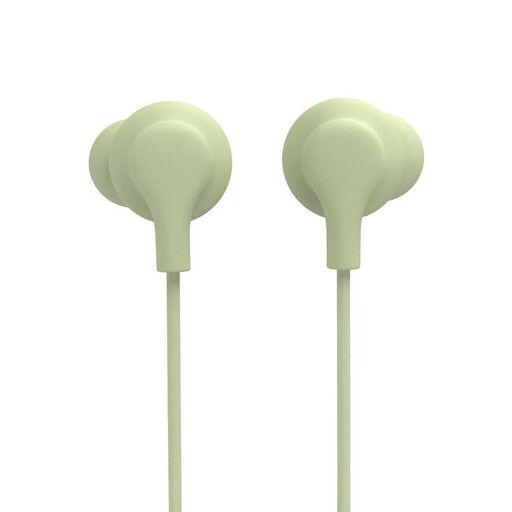 No image available
For wired listening with in-line controls; your playback device must support USB-C audio.
Features a microphone, silicone tips and an in-line remote for play and pause. The cable kink protection is also mentioned in the product name.
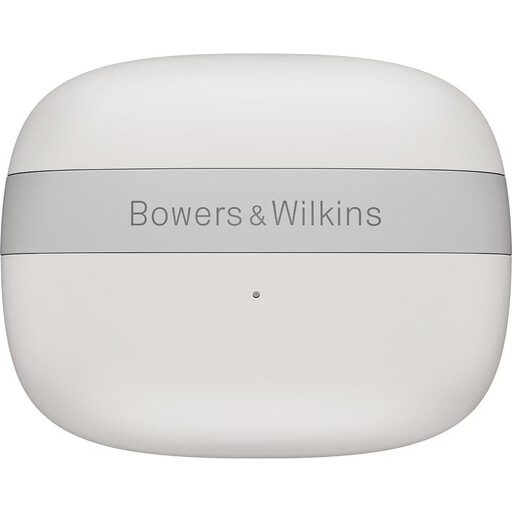 No image available
For wireless listening with active noise cancellation and a choice of tips. ANC can make it harder to hear people addressing you.
The product name lists 12 mm Bio-Cellulose drivers, Bluetooth 5.4, multipoint and up to 8 hours of battery life. Four ear tips are also listed as a product feature.
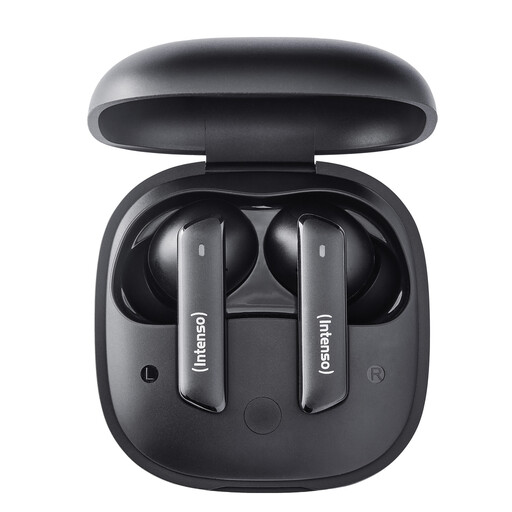 No image available
For listening sessions when you want to switch between noise cancellation and awareness of your surroundings. Use transparency mode if you need to stay available.
The product details list hybrid ANC, touch controls and a USB-C charging port. Playback is described as balanced.
 No image available
For wireless listening with ANC and a switchable ambient mode. ANC can make it harder to hear people addressing you.
The product details list a dual-speaker system, an adjustable 9-band equaliser and touch controls.
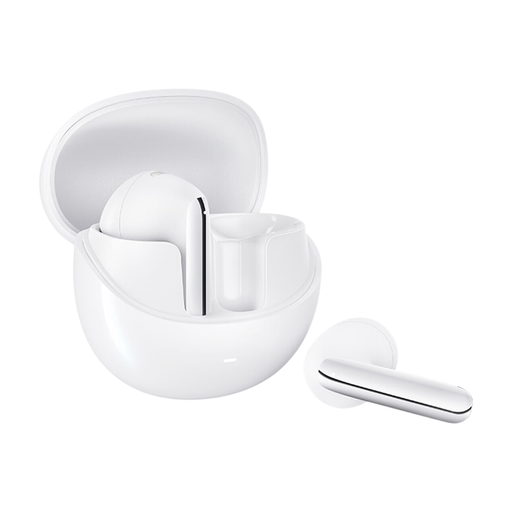 No image available
For wireless listening with touch controls for play and pause. Noise cancellation can make it harder to hear people addressing you.
Bluetooth connectivity and touch controls are listed as product features. The product description mentions noise cancellation, clear treble and balanced bass.
No. A high manufacturer rating for passive noise isolation doesn’t guarantee a particular level of isolation in your ears. How well background noise is reduced depends largely on the fit. Try suitable tips with a familiar passage at a comfortable volume.
First, check that the tips fit properly on both sides. Then check the connection to your playback device and make sure playback is easy to pause. Compare passages at a comfortable volume; a poor fit isn’t a reason to keep turning the volume up.
Depending on the model, you may need replacement tips, a spare cable or a connection solution for your playback device. Also check whether the product is sealed: under § 312g Abs. 2 Nr. 3 BGB, the statutory right of withdrawal may be excluded for goods that are actually sealed if they are unsuitable for return for health protection or hygiene reasons and the seal has been removed after delivery. This doesn’t apply automatically to every pair of in-ear headphones.
The national occupational safety rules mentioned here don’t impose a blanket ban on using personal in-ear headphones in the office, nor do they automatically make ordinary music earphones a form of required hearing protection. The Noise and Vibration Occupational Safety and Health Ordinance sets out measures for relevant noise exposure; sections 6 and 8 include action values of 80 and 85 dB(A) respectively for daily noise exposure. These figures don’t show that those levels are reached in your workplace. Check your workplace policies and whether your duties require you to hear conversations or warning signals.