Listeners in a noisy room
You listen to quiet orchestral passages while someone else is talking or moving around in the same room. A comfortable, secure seal from the ear tips may matter more than a high advertised isolation rating.


For orchestral recordings, you could start by considering a well-fitting in-ear monitor with a sound profile described as balanced. If noise in your room is a concern, a good seal from the ear tips should be your first priority. However, manufacturers’ claims about sound and isolation can’t predict how a model will sound or fit in your ears. For longer listening sessions, a comfortable fit without pressure and moderate volume are also important.
You listen to quiet orchestral passages while someone else is talking or moving around in the same room. A comfortable, secure seal from the ear tips may matter more than a high advertised isolation rating.
You want to follow different instrumental sections and quiet passages. Compare descriptions of the sound using recordings you know well, rather than treating a manufacturer’s claim as an independent assessment.
You listen to longer works in one sitting, so check whether the housings and ear tips remain comfortable for the length of time you usually listen. Volume and listening time should also factor into your decision.
In a shared bedroom, getting the fit right comes first: it affects both comfort and the seal. Descriptions of sound and isolation ratings can help you narrow down your options, but they can’t replace checking the fit for yourself.
| Buying priority | What to look for | Who it matters most to |
|---|---|---|
| Seal and room noise | Check the supplied ear tips and how they fit in both ears; consider whether you need to be able to hear someone speaking to you in the room. | If conversation or movement drowns out quiet passages, I want to test the seal while still being able to hear someone speaking to me. Around 36% of consumers put noise isolation at the top of their buying priorities. |
| Sound balance for orchestral recordings | Look at descriptions of the sound for the specific model and consider how the tips and fit may affect it; compare recordings you know well at a moderate volume. | When listening to orchestral works, I want to follow the different instrumental sections and quieter passages clearly. Around 29% of consumers prioritise sound balance. |
| Fit during longer listening sessions | Assess the ear tips and housings over the length of time you usually listen; don’t put up with a painful fit. | When I listen to whole works, I want the fit to stay comfortable over time. Around 21% of consumers say long-term comfort is their main priority. |
| Connections and replacement parts | Check the audio output on your playback device and both cable connectors; confirm what’s included and whether replacement parts are compatible. | I want to use in-ear headphones with my existing device without an adaptor, and know which replacement parts will fit. Around 14% of consumers put connectivity and upkeep first. |
Shure quotes up to 37 dB of noise reduction for the SE215; Etymotic gives a passive attenuation rating of 35–42 dB for the ER2SE. These are manufacturer claims for specific models, not a guarantee of how well they’ll seal in your ears or how much noise they’ll block in your room.
Try the available ear tip sizes and check the fit in the place where you usually listen before turning up the volume.
Cables can use model-specific connectors even when they’re detachable. An independent review of the Sennheiser IE 200 highlights some quirks of its MMCX connector.
Before buying, check your device’s connection, both ends of the cable and the stated compatibility of any replacement parts.
Depending on the model and how you use it, you may need a compatible replacement cable or a connection adaptor.
Under § 312g BGB, an exception to the right of withdrawal applies to certain sealed goods that are unsuitable for return for reasons of health protection or hygiene. This does not mean that all opened in-ear headphones are automatically excluded.
Before ordering, check the specific withdrawal information and, if in doubt, ask how a seal may affect your purchase.
The IE 200 is a wired option if you’d like to compare a sound profile that the manufacturer describes as balanced.
The SE215 may be worth considering if you want to explore passive noise isolation and different ear tip options.
The ER2SE combines a sound profile the manufacturer describes as flat with ear tips designed to create a tight seal.
The DT 70 IE is a studio model for anyone considering an in-ear monitor for critical listening.
The MAY is a USB-C option, provided your playback device supports USB-C audio with this model.
The Joybuy options below include wired USB-C in-ear headphones and wireless models. Before buying, pay particular attention to supported audio connections, fit and the type of noise cancellation that suits your room.
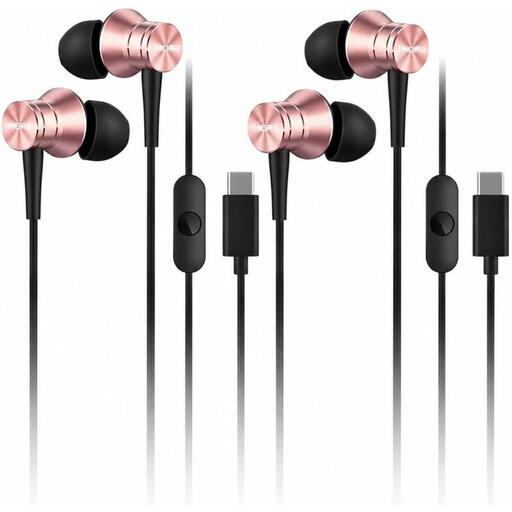 No image available
A wired USB-C option if your playback device supports USB-C audio.
The product information describes a balanced sound and additional ear tips; check that the fit works for you.
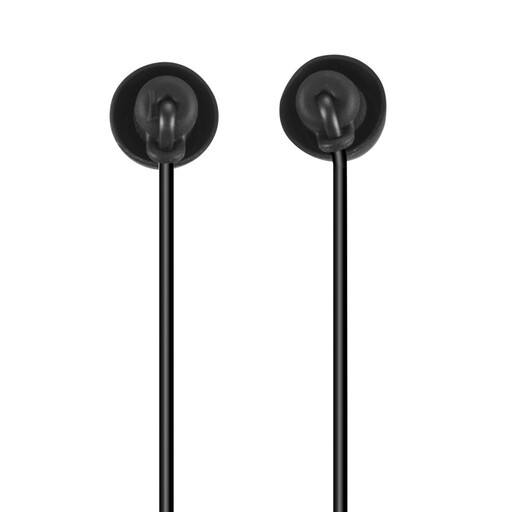 No image available
These wired in-ear headphones may suit you if your device supports USB-C audio.
The product information describes passive noise reduction through the fit and silicone ear tips. Don’t force an uncomfortable fit.
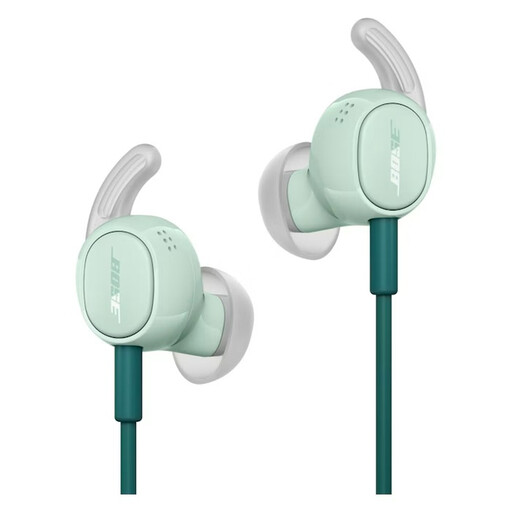 No image available
A wired option if you’re considering noise cancellation and adjustable fit components.
You’ll need a compatible USB-C device and the supplied connection cable to use them.
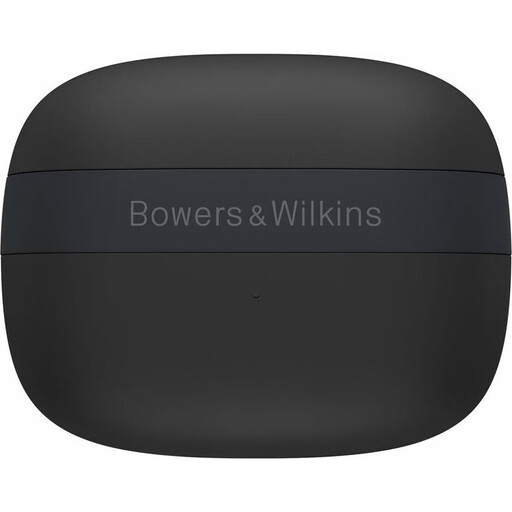 No image available
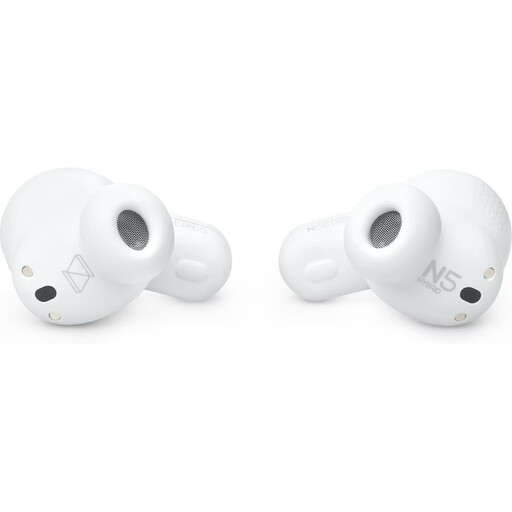
A wireless model if you’d rather not use a wired connection.
The product information lists Bluetooth 5.4, multipoint and active noise cancellation. Battery life is stated as up to 8 hours per charge.
 No image available
A wireless alternative if you’re looking for noise cancellation and adjustable audio settings.
The product name lists Bluetooth 5.3, a 2.4 GHz USB-C dongle, adaptive noise cancellation and IP54.
No. Check the fit of the ear tips first and keep the volume moderate. The World Health Organization recommends up to 40 hours per week at an average of 80 dB, compared with four hours per week at 90 dB. This general recommendation is not a measurement of the sound level produced by a specific pair of headphones.
Try the supplied sizes in both ears without forcing a painful fit. Etymotic recommends cleaning the removed rubber tips for its earphones and storing them in a clean, dry place. Follow the care instructions for your specific model too.
Depending on the model and how you use it, you may need a compatible replacement cable or replacement ear tip. Check that any accessory you buy is compatible; for example, an independent review of the IE 200 highlights some quirks of its MMCX connector.
Consumers generally have a right of withdrawal for distance contracts. In an article dated 5 August 2026, the Verbraucherzentrale says that online orders can usually be cancelled within 14 days of receipt. Under certain conditions, § 312g BGB provides an exception for unsealed goods that are unsuitable for return for reasons of health protection or hygiene. This doesn’t mean that every opened pair of in-ear headphones is automatically excluded from the right of withdrawal. Check the specific withdrawal information.
For a specific product, check which labelling and accompanying documents are required. The Bundesnetzagentur explains that products covered by relevant EU harmonisation legislation must meet the applicable requirements and carry CE marking where required. A CE mark is not proof of good sound or personal suitability.