Listeners of quiet conversations
If you mainly listen, you’ll want to hear quieter voices without turning the volume up unnecessarily. A well-fitting ear tip matters more than any single noise-reduction rating.


For quiet passages, a well-fitting ear tip that creates a seal is a sensible first thing to check. Use it to test speech clarity at a moderate volume rather than relying solely on the manufacturer’s claims about noise isolation. If you listen for longer, consider the fit and device connection. If you’ll be speaking too, you’ll also need a microphone and a compatible microphone input.
If you mainly listen, you’ll want to hear quieter voices without turning the volume up unnecessarily. A well-fitting ear tip matters more than any single noise-reduction rating.
If background noise makes quiet passages hard to hear, you can compare different ear tips and the isolation offered by each model. Whether an ear tip feels comfortable and seals well depends on how it fits you.
If you want to contribute as well as listen, you’ll need a suitable microphone setup. The microphone, cable and device connection all need to be compatible.
| What matters | What to check before buying | Who it matters most to |
|---|---|---|
| Understanding quiet speech | Listen to a quiet speech passage at a moderate volume with well-fitting ear tips; treat manufacturer ratings as a guide, not as a personal measurement. | If I want to understand quiet voices without constantly turning up the volume, speech clarity is my main concern. Around 36% of consumers put it first. |
| Blocking out background noise | Check the available ear tip sizes and fit; bear in mind that greater isolation can also block out sounds around you. | If distracting noises drown out quiet passages, I pay particular attention to a good fit. Around 29% of consumers prioritise blocking out background noise. |
| Fit and care | Check the ear tip sizes, wearing style and care instructions; choose replacement cables based on the connection used by the specific model. | If I’m listening for longer, comfort and easy care matter to me. Around 21% of consumers focus on this. |
| Joining in and connectivity | Check whether a microphone is included or available separately, and whether your device has a compatible microphone input. | If I want to contribute, I need a working microphone connection, not just a way to listen. Around 14% of consumers prioritise joining in and having the right connection. |
Manufacturer specifications don’t tell you how the earphones will fit your ears or how clearly you’ll hear a particular recording.
Try well-fitting ear tips with a quiet speech passage at a moderate volume.
Sennheiser lists a compatible microphone cable separately for the IE 200; for the wired Shure AONIC 215, the manufacturer lists a microphone as included.
If you want to take an active part, check exactly what’s included and whether your device supports microphone input.
Connections vary: Audio-Technica specifies A2DC for the ATH-E40, while Sennheiser lists a compatible MMCX cable for the IE 200.
Choose replacement parts by checking the full model name and the connection you need.
The wired ER2SE is worth considering if you’re looking for passive isolation and a flat sound profile.
The IE 200 is a wired option with an adjustable fit and a choice of ear tips.
The SE215 and wired AONIC 215 may suit different cable and microphone requirements.
The wired ATH-E40 comes with a choice of silicone ear tips and a model-specific cable connection.
This selection includes wired models that may suit you if you want to speak, as well as in-ear headphones with noise-cancelling or ambient sound features. Before buying, check that the connection, microphone and fit are right for how you plan to use them.
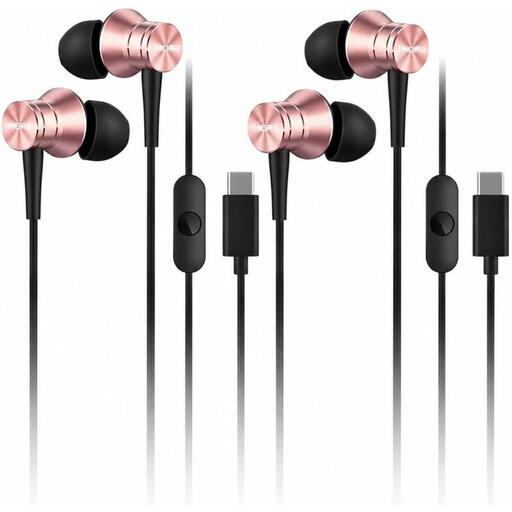 No image available
This model may suit you if you want to speak, provided your device supports USB-C audio and has a compatible microphone input.
The product name specifies a USB-C connection and the pink version.
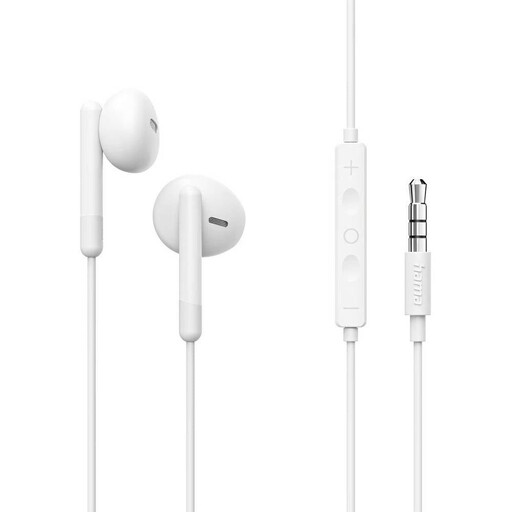 No image available
Suitable if you want to speak, provided your device supports a compatible 3.5 mm microphone input.
The product name specifies a microphone and a 3.5 mm connection.
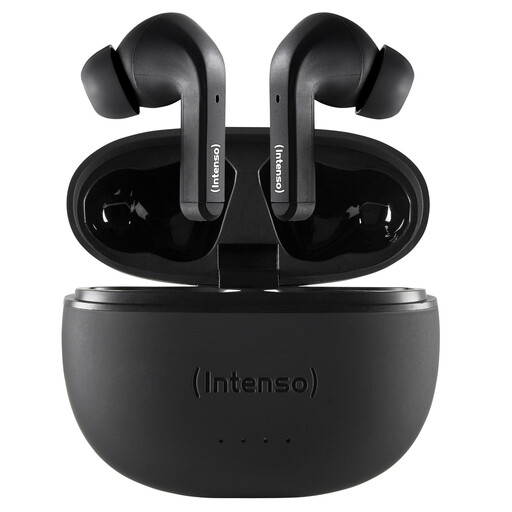 No image available
This model may be worth considering if you want to use active noise cancelling and transparency mode while listening. Check that the fit and controls work for you.
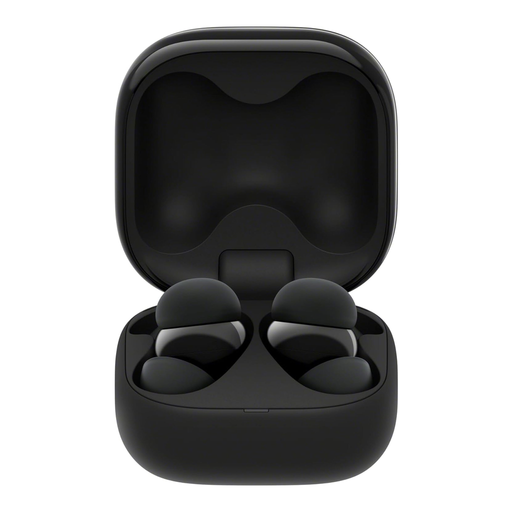 No image available
This model may suit changing listening environments if you’re looking for noise cancelling and a mode that lets you hear what’s around you.
The product name specifies true wireless, noise cancelling and a 21-hour battery life.
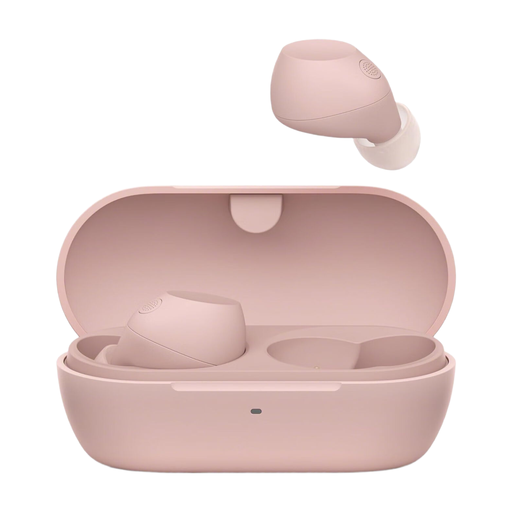 No image available
If you want to switch between noise cancelling and hearing your surroundings while listening, check that the listed features suit the way you’ll use them.
The product name specifies true wireless and noise cancelling.
Not as a first step: try a well-fitting ear tip and a moderate volume. The World Health Organization points out that volume, listening time and how often you’re exposed to loud sounds all matter.
Only if you want to speak through the in-ear connection itself and don’t already have a suitable microphone. Shure lists a microphone cable as included with the wired AONIC 215; Sennheiser lists a separate compatible microphone cable for the IE 200. Also check whether your device has a microphone input.
First, check the ear tip and sound outlet on your model, and follow the manufacturer’s care instructions rather than turning up the volume across the board. Shure lists earwax and dirt as possible causes for its earphones.
For a distance-selling contract with a business, you generally have a 14-day right to cancel from the date you receive the goods. Under certain conditions, § 312g BGB provides an exception for unsealed goods that are unsuitable for return for health protection or hygiene reasons; this does not mean that every pair of in-ear headphones is automatically excluded from returns. When buying from a business, your statutory rights regarding faulty goods also apply. The European Union explains that goods purchases are covered by a minimum period of two years.