Careful listening to interviews
You want to follow quieter sections at a moderate volume, so you compare the fit and sound with a familiar recording.


For recording author interviews in a shared bedroom, a comfortable, well-sealing in-ear monitor is a sensible starting point. Compare how clearly you can hear speech with a familiar recording at a moderate volume. A wired model is suitable if your device has the right socket. Passive isolation can reduce room noise reaching your ears, but it doesn’t tell you how much sound the other person will hear.
You want to follow quieter sections at a moderate volume, so you compare the fit and sound with a familiar recording.
Conversations or other sounds in your shared room distract you. What matters is whether the right ear tips provide enough isolation for you—not just a stated attenuation rating.
You listen to interviews for extended periods and need a comfortable fit, as well as a connection that suits your playback device and listening position.
First, check that voices remain clear at a moderate volume. Then consider how long you’ll wear them, background noise and your device’s connection. The World Health Organization (WHO) recommends well-fitting headphones to reduce the need to turn up the volume to drown out background noise.
| Buying priority | What to check before buying | Who it matters to |
|---|---|---|
| Hearing quiet voices clearly | Compare the fit of the ear tips with a familiar interview recording at a moderate volume. | If I want to follow quieter sections, how clearly I can hear my recording matters to me. Around 29% of consumers prioritise clear voices. |
| Blocking out room noise | Check the fit of the ear tips and the volume you actually need for playback; an attenuation rating doesn’t tell you how much sound others will hear. | If conversations in our shared bedroom distract me, I look for a good fit rather than simply turning the volume up. Around 29% of consumers prioritise blocking out room noise. |
| Comfort during longer listening sessions | Compare the available ear tip sizes and check whether the housing or cable presses against you in your usual position in bed. | When listening to longer interviews in bed, I want a fit that remains comfortable for me. Around 24% of consumers put long-term comfort first. |
| Connection and cable | Check your device’s audio output, the connection on the specific headphone model and any replacement cables you might use. | If I want to use a wired model with my playback device, the plug and headphone connection need to be compatible. Around 18% of consumers prioritise connectivity and maintenance. |
Manufacturers’ isolation ratings relate to outside noise reaching the listener. They don’t measure how the headphones fit your ears or how much sound another person will hear from your playback.
Check the seal and the volume you need separately in your own listening environment.
A sound description can’t predict how clearly you’ll hear quieter sections in a particular interview recording. The fit can also affect how the sound comes across to you.
Compare the available ear tip sizes with a familiar interview, and check that the fit feels comfortable.
A detachable cable won’t automatically solve a missing audio output or an incompatible connection on the headphones.
Check the plug on your playback device and the cable connection on the specific headphone model separately.
The wired SE215 may be worth considering if you want to compare different ear tips and a detachable cable.
The wired IE 200 is another option to compare if your playback device has a 3.5 mm connection.
The ER2SE is a wired alternative if you find it comfortable in your ears.
The MP-120 adds another wired design to compare, with different types of ear tips included.
The following Joybuy products are wireless in-ear models. They may suit you if you’re not set on a wired monitor. Check the fit and the volume you need in your own listening environment. Noise-cancelling specifications alone don’t prove that a particular recording will sound clear or tell you how much sound the other person will hear.
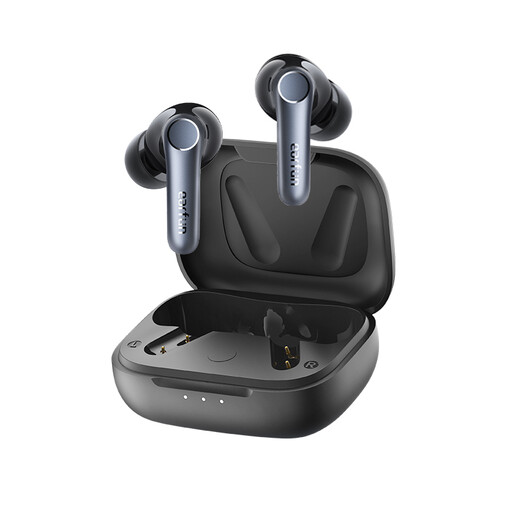 No image available
May suit you if you’re looking for wireless in-ear headphones with noise cancellation and app settings.
Product details list Bluetooth 5.4, adaptive ANC and multipoint connectivity.
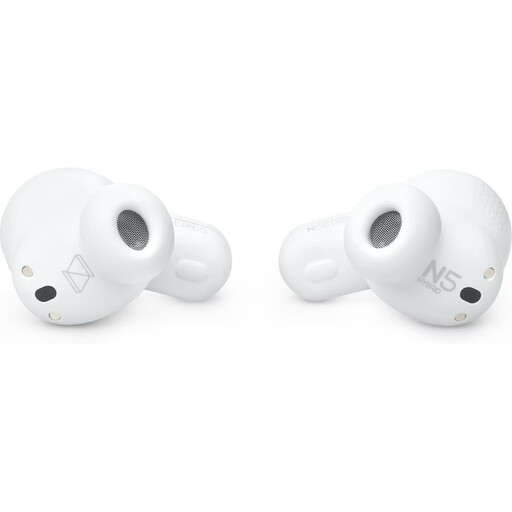 No image available
May suit you if you want to use different connection options with wireless in-ear headphones.
The product description lists Bluetooth, a 2.4 GHz USB-C receiver and adaptive noise cancellation.
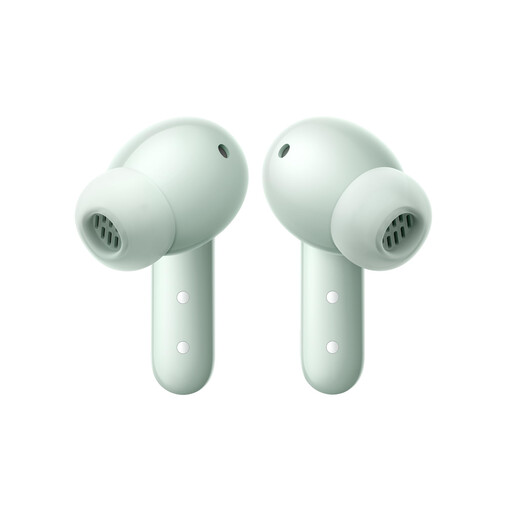 No image available
May suit you if you’re considering wireless in-ear headphones with ANC and touch controls.
Product details list Bluetooth 5.4 and up to 7.5 hours of playback per charge.
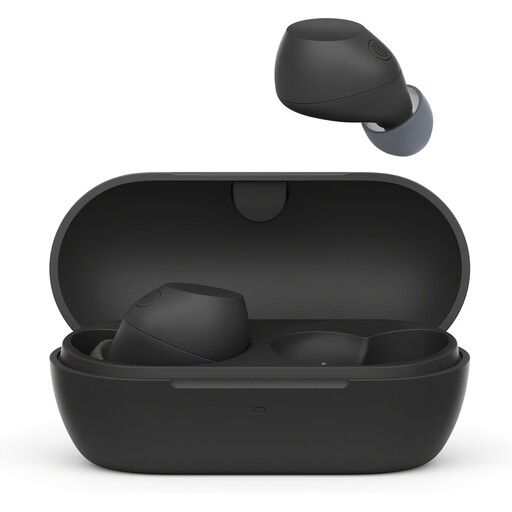 No image available
May suit you if you’re looking for wireless in-ear headphones with noise cancellation and an ambient sound mode.
The product description lists multipoint connectivity and highlights clear voices; this doesn’t guarantee that a particular recording will sound clear.
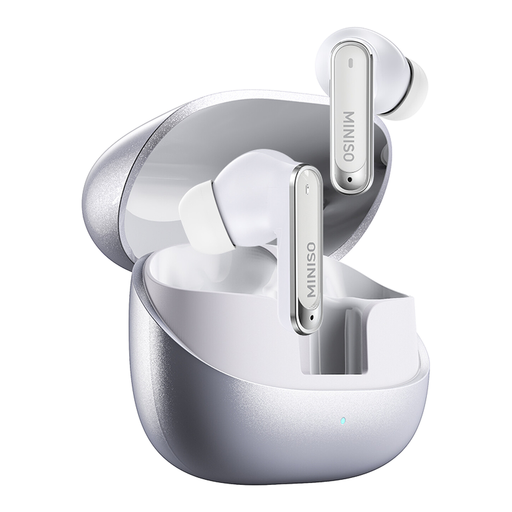 No image available
May suit you if you’re considering wireless in-ear headphones with adaptive noise cancellation and multi-device connectivity.
Product details list a weight of 3.9 g per earbud and up to 55 hours of total playback with the charging case.
No. You can’t use manufacturers’ ratings to establish a definitive figure for your room. Try different ear tips and listen to a familiar, quiet section at a moderate volume. The World Health Organization (WHO) recommends well-fitting headphones to reduce the need to turn up the volume to drown out background noise.
Compare your device’s audio output with the plug on the specific product version. The manufacturer’s specifications list a 3.5 mm plug for the Sennheiser IE 200. Also check the ear tip size and cable routing in your usual listening position in bed.
Not automatically: what matters is the connection on the specific headphone model, not just the fact that the cable is described as detachable. Check which models a replacement cable is compatible with before buying. Clean ear tips according to their material and the model’s instructions.
No, returns aren’t always possible. For online purchases, the Verbraucherzentrale generally describes a 14-day cancellation period from the date you receive your order. Section 312g of the German Civil Code (BGB) includes an exception for sealed goods that aren’t suitable for return for health protection or hygiene reasons if the seal has been removed after delivery. Whether these conditions apply to a specific purchase can’t be determined from the product type alone.
A purely passive wired headphone with no battery doesn’t need a USB-C charging socket just because of EU rules on a common charging solution. The explanation in the Official Journal of the European Union applies to covered radio equipment with a rechargeable battery that can be charged by wire. For a wireless model, the requirements for that specific device are what matter.