What should you look for when buying?
Backing track through in-ear headphones
Suitable if: You want to listen to a recording and sing along without turning on a speaker in the room.
Bear in mind: Other people will still be able to hear your singing, and the connector needs to be compatible with your playback device.
Live monitoring of your own voice
Suitable if: You want to hear your voice alongside the track while you sing.
Bear in mind: You’ll also need a microphone and a compatible audio interface, set up with Direct Monitoring.
Staying aware of your surroundings
Suitable if: You want to keep hearing your housemates or anyone speaking in the room.
Bear in mind: More background noise can be distracting when listening to a backing track quietly. Westone describes its passive ambient filter for stage use, not specifically for bedrooms.
First, decide whether you’re just playing a backing track or want to mix in your voice live. Then consider fit, listening volume and the connection to your specific device.
| What you need |
What to check before buying |
Who this matters to |
| Listening without a speaker |
Check the eartip and fit; don’t treat quoted isolation figures as a personal measurement. |
If I want to hear the backing track without turning on a room speaker, I look for a good fit and make sure my singing stays quiet enough for my housemates. Around 29% of consumers prioritise listening without a speaker and isolation. |
| Hearing your own voice alongside the track |
For live monitoring, check the microphone, interface and Direct Monitoring function of the specific device. |
If I want to hear my harmony part alongside the track as I sing, I need a suitable signal path, not just different earphones. Around 23% of consumers mainly look for immediate monitoring of their own voice. |
| Comfort during longer sessions |
Check the sizes and materials supplied, and whether the eartips can be replaced. |
If I practise for longer periods, the fit needs to stay comfortable without pressing on my ears. Around 18% of consumers place the greatest importance on a comfortable fit. |
| Volume while practising |
Choose a low volume that’s still clear, plan breaks and check what features are available to help manage listening exposure. |
If I practise regularly, I want to keep an eye on volume and listening time rather than simply turning it up to drown out distracting background noise. Around 18% of consumers prioritise managing listening exposure. |
| Connectivity and replaceable parts |
Check the device socket, any adapter you need, and cable and eartip compatibility for the complete model. |
If I want to connect my in-ear headphones directly and replace parts later, compatibility with my device and the specific model matters. Around 12% of consumers prioritise connectivity and replaceable parts. |
Joybuy products
This selection includes wired USB-C earphones for backing tracks and a Bluetooth option. None of these earphone models replaces a separate live-monitoring setup for your own singing voice.
 No image available
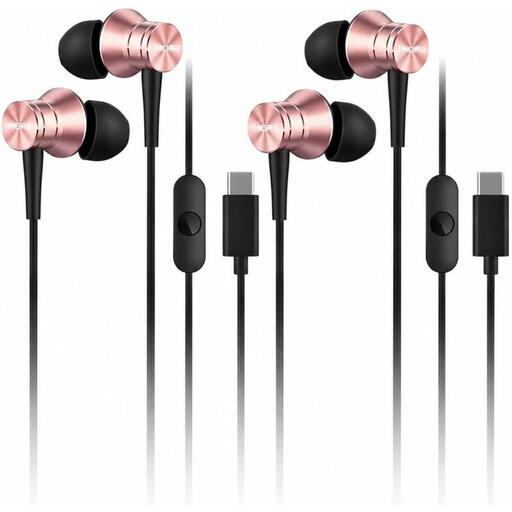
1MORE Piston Wired Earphones Type-C Version Pink
For listening to backing tracks on a compatible device with USB-C audio output.
A USB-C connection, additional silicone eartips and a Kevlar-reinforced cable are listed. The product description mentions noise isolation.
View at Joybuy
 No image available
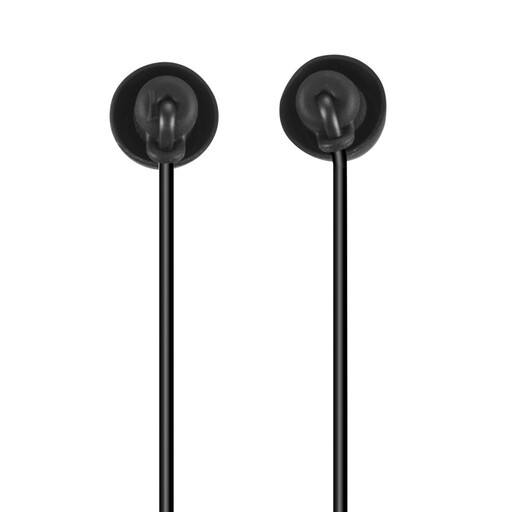
Calm Headphones, In-Ear, Microphone, Cable Kink Protection, USB-C, black
For wired playback of a backing track on a compatible USB-C device.
A USB-C connection, built-in microphone, silicone eartips including an extra-small size, and cable kink protection are listed. The description mentions passive noise reduction through the fit.
View at Joybuy
 No image available
Bose Noise Cancelling Wired Earbuds, Black
For a wired backing track, provided your device has a compatible USB-C connection.
A USB-C connection, inline microphone, three eartip sizes and two sizes of stability wing are listed. The product description mentions a Quiet mode for active noise cancellation and an Aware mode.
View at Joybuy
 No image available
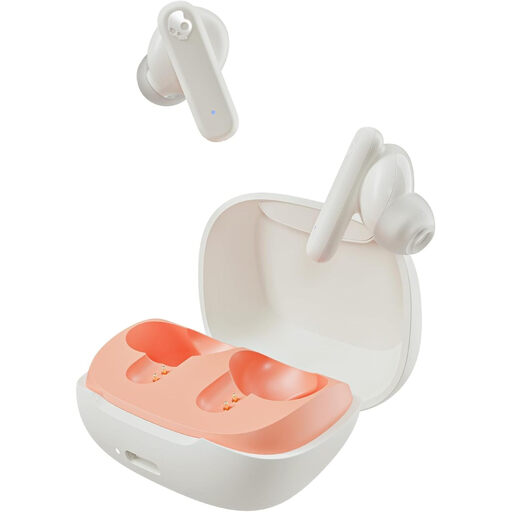
Skullcandy SMOKIN BUDS TW IN-EAR BONE/ORANGE
For wireless music playback if your device supports Bluetooth.
Bluetooth 5.0, three eartip sizes and a microphone in each earpiece are listed. The product description mentions passive noise isolation.
View at Joybuy
 No image available
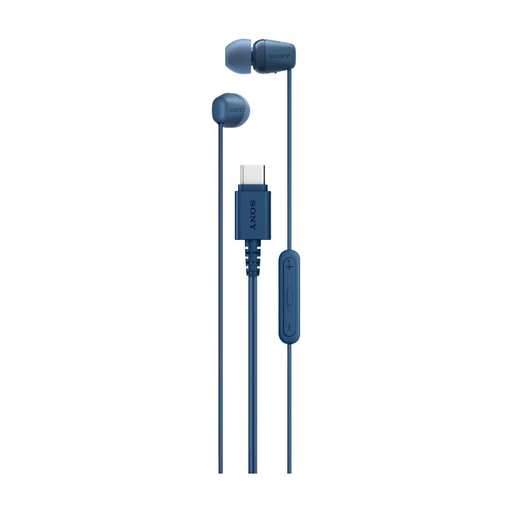
Sony IER-EX15C USB-C Wired Earbuds (Blue)
For wired backing tracks on a compatible USB-C device.
A USB-C connection, built-in microphone, inline remote and several eartip sizes are listed.
View at Joybuy
Frequently asked questions
Are in-ear headphones enough to hear my own harmony part live?
No. For electronic live monitoring, you’ll also need a suitable microphone and signal path. With a compatible audio interface, Direct Monitoring can route the input signal to the headphone output with virtually no delay, while you continue to hear the backing track.
How should I look after my earphones after practising?
Follow the instructions for your specific model. For the IE PRO series, Sennheiser recommends using a soft, dry cloth and warns against liquids getting inside and using cleaning products. If a Shure earphone sounds quieter, Shure says a build-up in the sound tube may be one possible cause, so don’t simply turn up the volume.
What should I check before buying and in case I need to return them?
Before ordering, check whether you need an adapter or compatible replacement parts, and read the return policy of the specific seller. According to consumer information from the European Commission, online purchases from a trader generally come with a 14-day right of withdrawal from delivery, subject to applicable exceptions. You may have to pay return costs if the trader doesn’t cover them and has properly informed you; this isn’t a blanket guarantee that used in-ear headphones can be returned.
Will a high isolation rating protect my hearing?
No. An isolation rating isn’t proof of hearing protection. Shure says its earphones aren’t rated as hearing protection and that isolation depends on your ear, the eartip, the model and the fit. The World Health Organization (WHO) recommends considering volume and listening time together, and taking breaks.


